Florida wildfires rage amid drought, northern Michigan faces flooding crisis
Florida’s drought-fed fires and northern Michigan’s flood damage show a single pattern of weather whiplash, with emergencies arriving outside old seasonal expectations.
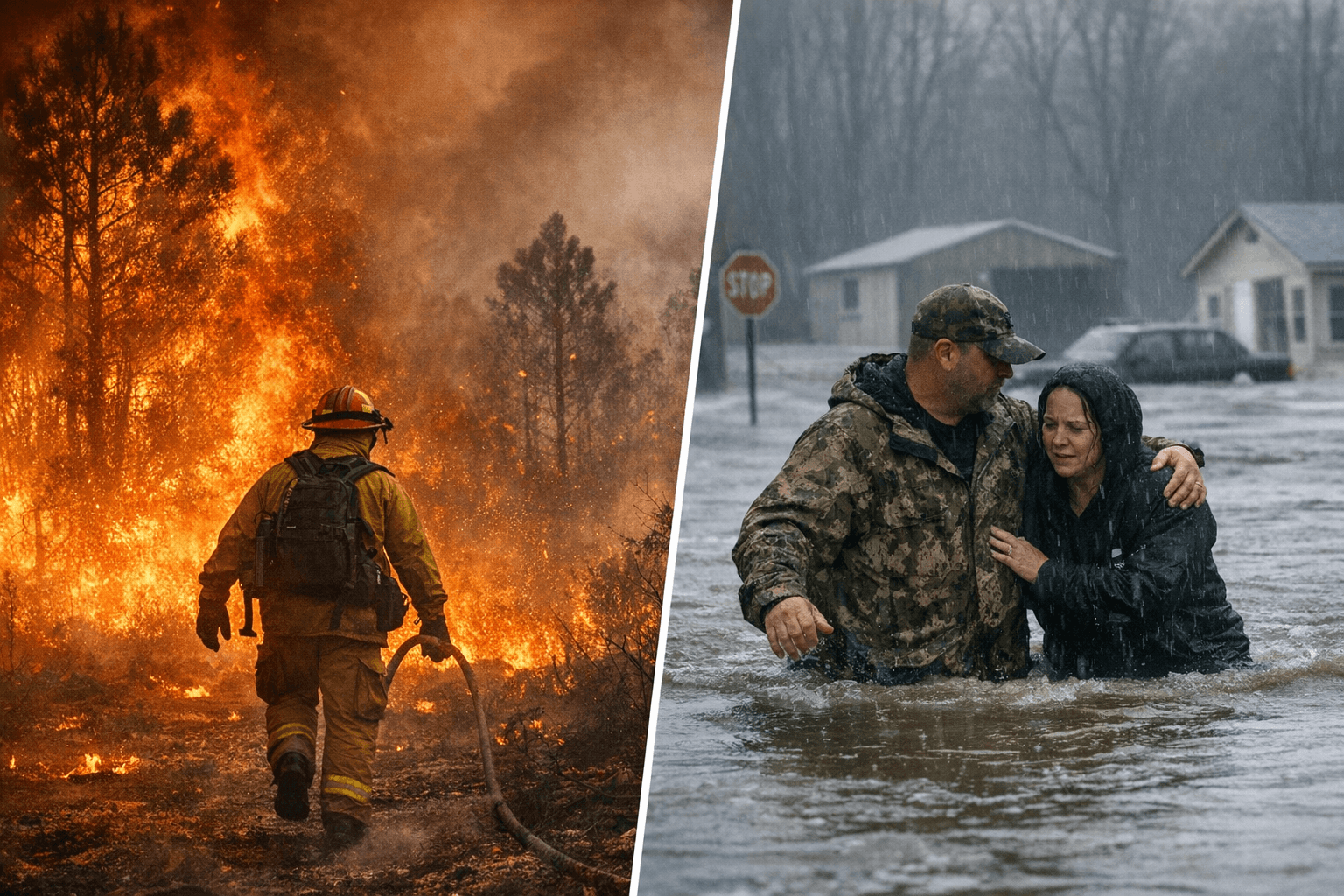
Florida was battling wildfires across thousands of acres while northern Michigan faced a flooding emergency that sent ice crashing into homes, a stark split-screen of the nation’s growing weather extremes. In both places, emergency managers were forced to respond to hazards that no longer fit familiar seasonal patterns.
The latest U.S. Drought Monitor map, released April 16 and based on conditions through April 14, showed dryness continuing across the Southeast, with much of the country running above normal temperatures in April. Florida’s drought has deepened into the state’s worst in more than a decade, and the Florida Forest Service was tracking active fires and active acres statewide as flames spread through dry ground. The state’s official wildfire information tools also included a county burn-ban map and live wildfire points map, reflecting how quickly the risk had become part of daily public safety planning.
That fire danger was unfolding while other parts of the country were dealing with too much water, not too little. In northern Michigan, officials opened emergency shelters for residents affected by flooding, and Cheboygan County was placed under a state of emergency as water rose near the Cheboygan Lock and Dam complex. Local reporting described the flooding as historic and tied it to heavy rain and rapid snowmelt, with outflows from Mullett Lake pushing the Cheboygan River system to record high levels in early April. State officials monitored dams and activated emergency response centers as the water moved into neighborhoods and homes.
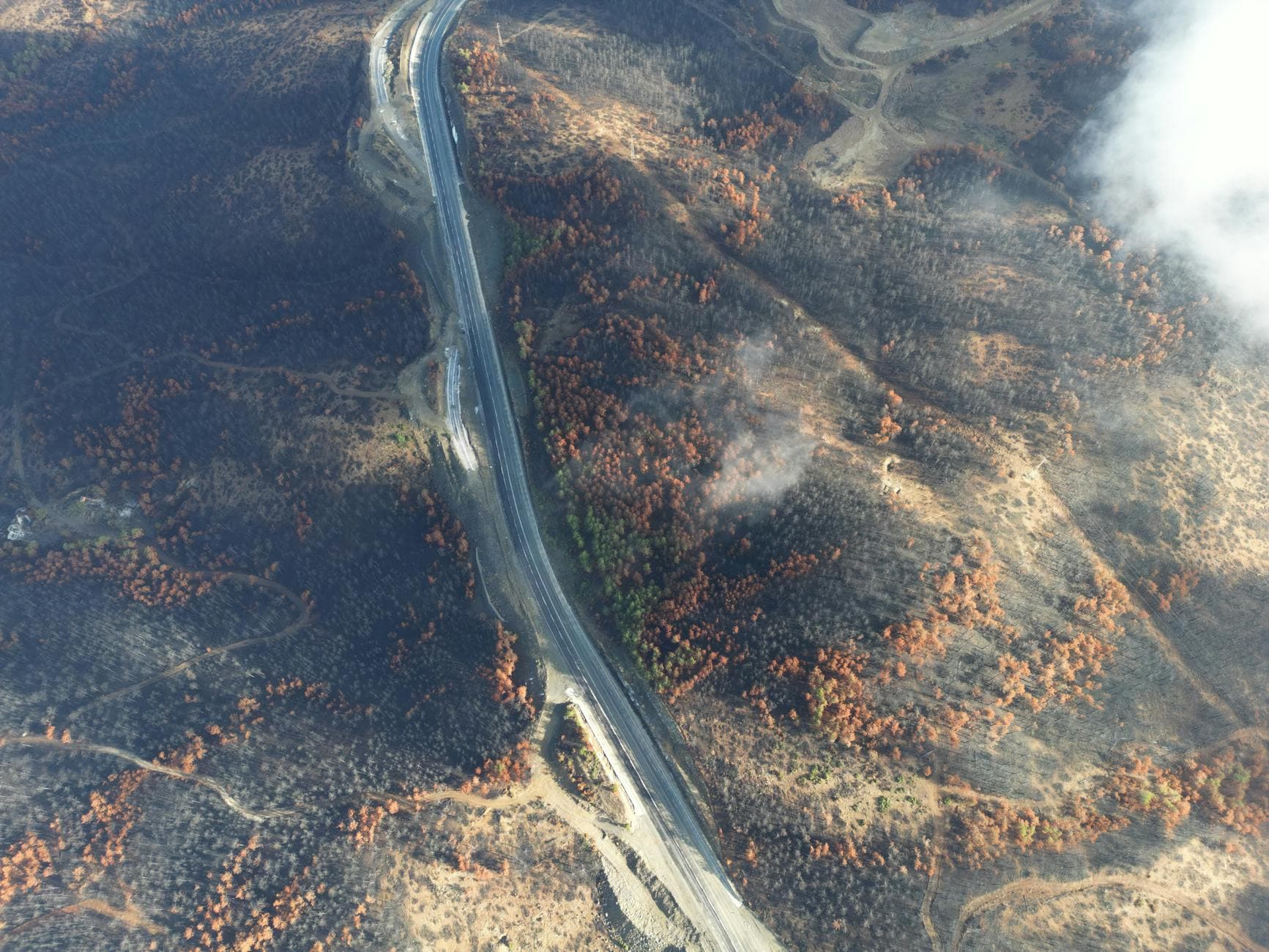
The damage in northern Michigan came only weeks after the region marked one year since a 2025 ice storm that left its own lasting imprint on the state’s emergency planning. That storm affected about 3 million acres, knocked out power to nearly 200,000 customers and prompted the deployment of more than 800 National Guard troops across 12 counties. This year’s flooding, with shelters open and ice slamming into structures, underscored how quickly one emergency can follow another.
Taken together, Florida’s drought-driven fires and Michigan’s flood and ice damage showed how climate extremes are colliding with local response systems. Fire maps, burn bans, shelters, dam monitoring and National Guard deployments have become part of the same national story: communities trying to keep pace with disasters that no longer arrive in predictable seasons.
This article was produced by Prism’s automated news system from verified source data, official records, and press releases, then run through automated quality and moderation checks before publishing. The system is built and supervised by the people who set the standards it runs under. Read our full AI policy.
Did this article answer your question?

