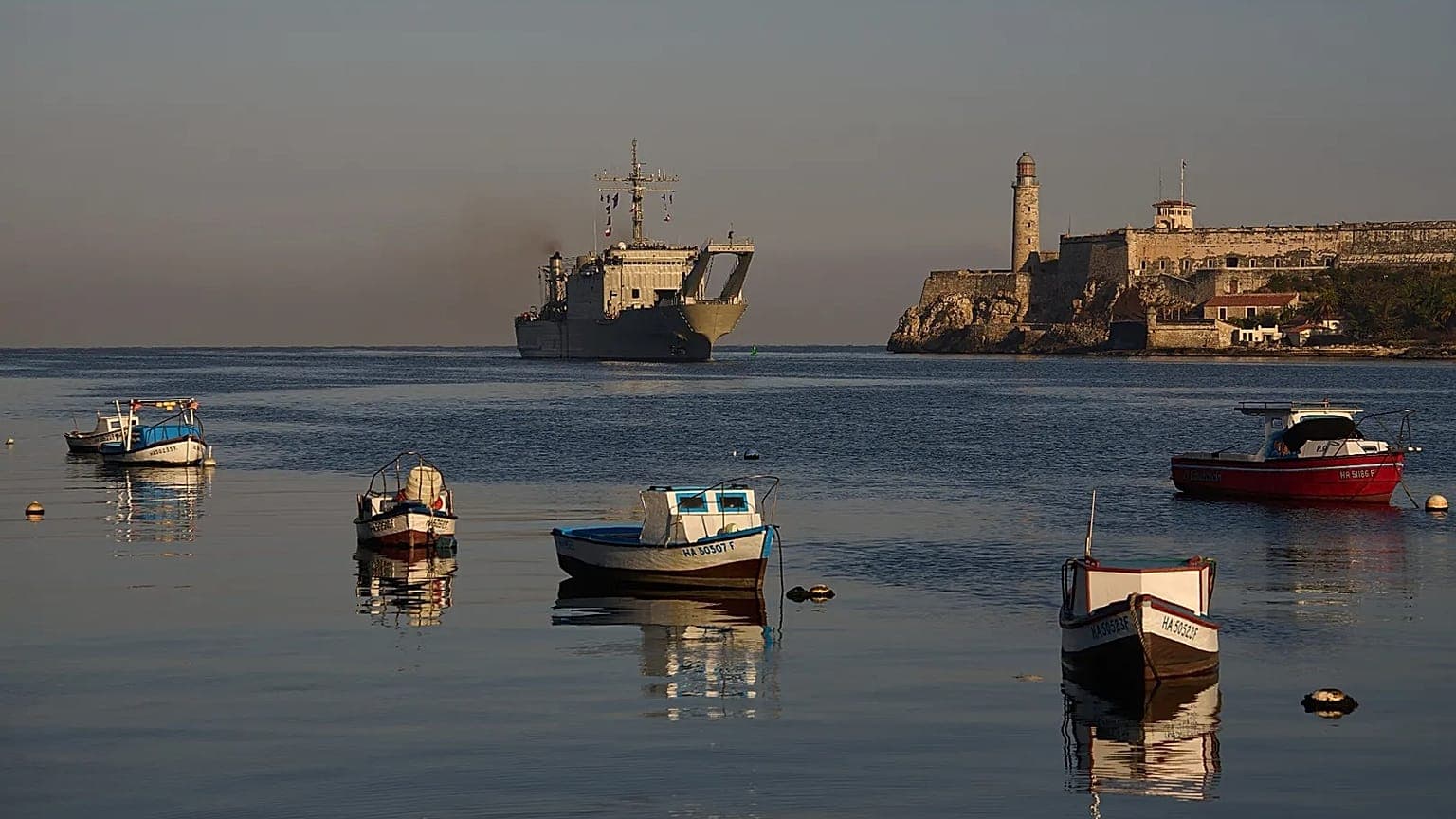
Fault at Main Thermoelectric Plant Triggers Blackout Across Two‑Thirds of Cuba
A fault at a major thermoelectric plant triggered a cascading outage that left roughly two‑thirds of Cuba without power, officials and multiple outlets reported.

A fault at one of Cuba’s principal thermoelectric plants triggered a cascading outage that plunged roughly two‑thirds of the island into darkness, cutting power to Havana and provinces from Pinar del Río to Camagüey in the collapse reported for March 4, 2026. OpenTheMagazine described the event as “a complete and sudden disconnection,” and state-run and international outlets said workers were racing to reenergize the National Electric System.
Two sources explicitly named the Antonio Guiteras power plant in Matanzas as the site of a failure. CNN reported that “Cuba’s top energy producer, the Antonio Guiteras power plant in Matanzas, suffered an overnight failure, prompting the grid’s collapse on Wednesday, the company said.” NPR also identified Antonio Guiteras but gave a conflicting timeline, saying the plant failed shortly before midday on Friday. OpenTheMagazine supplied a specific timestamp: “At approximately 12:41 p.m. local time on Wednesday, the national electrical grid suffered a complete and sudden disconnection,” creating a patchwork of times across reports.
Estimates of people affected vary across outlets. El País said the partial collapse of the SEN “has left nearly 7 million of the island’s almost 10 million inhabitants without power.” Multiple reports used the phrase “two‑thirds” to describe the scale. NPR’s account gave a different figure, saying “the massive outage leaves 10 million people on the Caribbean island without electricity.” Those numeric discrepancies remain unresolved in the absence of a single official tally from the Ministry of Energy and Mines.
The blackout’s immediate impact was visible in Havana. CNN wrote that “the streets were nearly pitch black as the sun rose over the capital city. The only visible lights came from a handful of government facilities, large hotels and vehicle headlights.” AP reporters noted people shopping for food, businesses operating on batteries or small home generators, gas stations open, and the tunnel under Havana Bay dark. An elderly resident in Central Havana, Cecilia Duquense, told AP, “When I was about to start cooking and making some spaghetti, the power went out. ‘And now what?’”
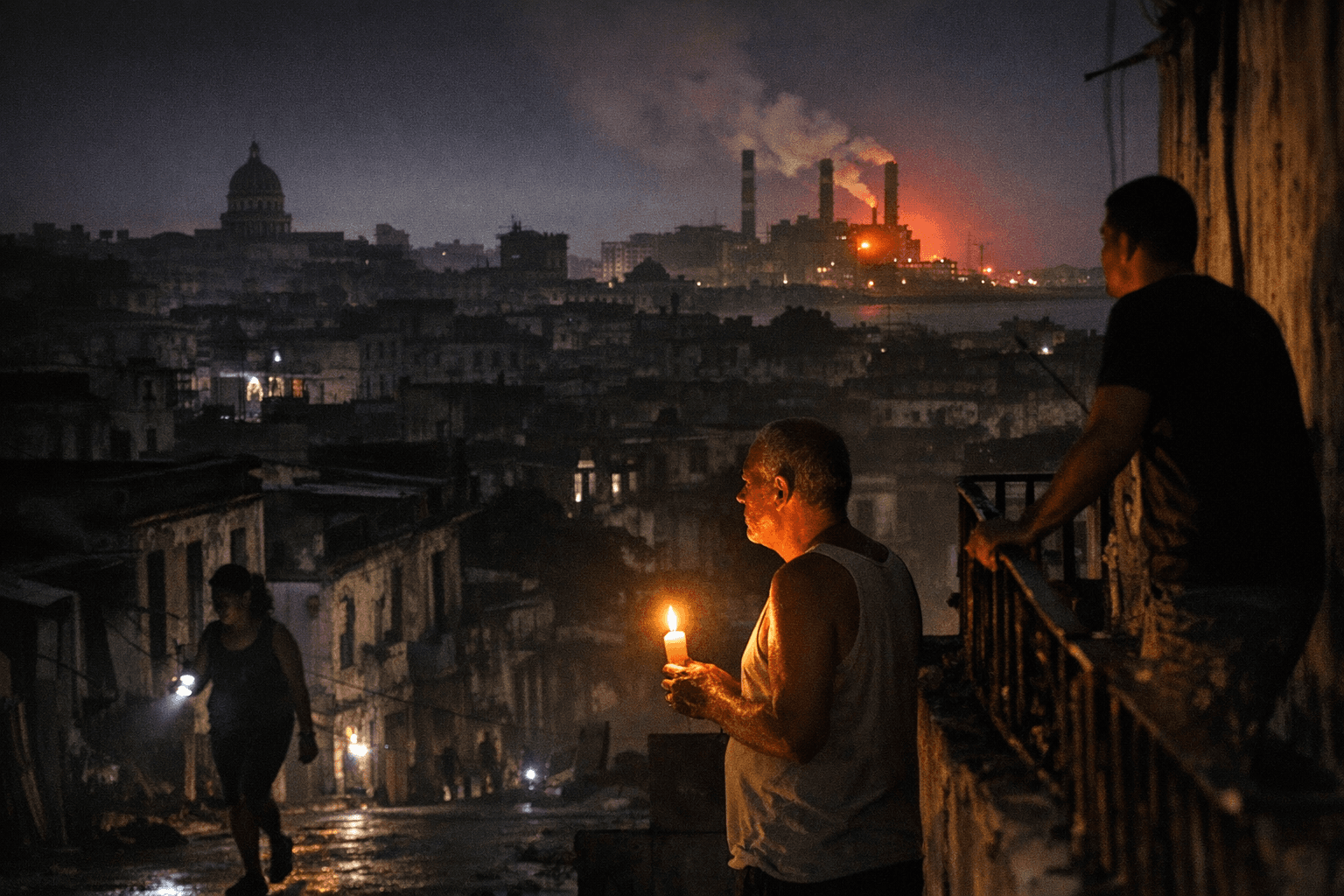
The government ordered widescale suspensions and mobilized contingency measures. CNN quoted Marta Elena Feito, Minister of Labor and Social Security, saying the government ordered the “suspension of work and teaching activities” and that “This measure will remain in place for the duration of the crisis. Vital services will continue to function and there will be no salary impact.” AP cited Lázaro Guerra, director of electricity at the ministry, that “power was already being generated to support vital services such as hospitals.” The Cuban Electric Union said workers were attempting to get the grid back online, while officials warned the difficult process of restoring aging Soviet‑era power stations could take days.
Analysts and reporters tied the collapse to longer trends. OpenTheMagazine said the outage is “the most visible symptom of a deepening fuel crisis” accelerated by “an unrelenting United States oil embargo.” El País framed the event as part of a run of failures, saying “over the last 18 months the SEN has suffered five total collapses” and calling this the fifth partial blackout in less than six months. NPR added that cuts in fuel shipments from Venezuela and lower exports from Mexico and Russia have left Cuba vulnerable.
With workers at plants and substations mobilized and hospitals on backup generation, officials and utilities have prioritized staged restorations. Given the conflicting timelines and population estimates across reports, the precise scope and official chronology remain to be confirmed by the Ministry of Energy and Mines and the Antonio Guiteras operators. For now, multiple outlets agree that restarting the SEN and refueling worn generators will be a multi‑day process with millions still without reliable electricity.
Know something we missed? Have a correction or additional information?
Submit a Tip