Fayetteville approves tiny-home village for homeless veterans with wraparound services
RAV won city approval to build six furnished one-bedroom tiny homes for homeless veterans, combining housing with mental health and job supports to reduce homelessness and shelter strain.
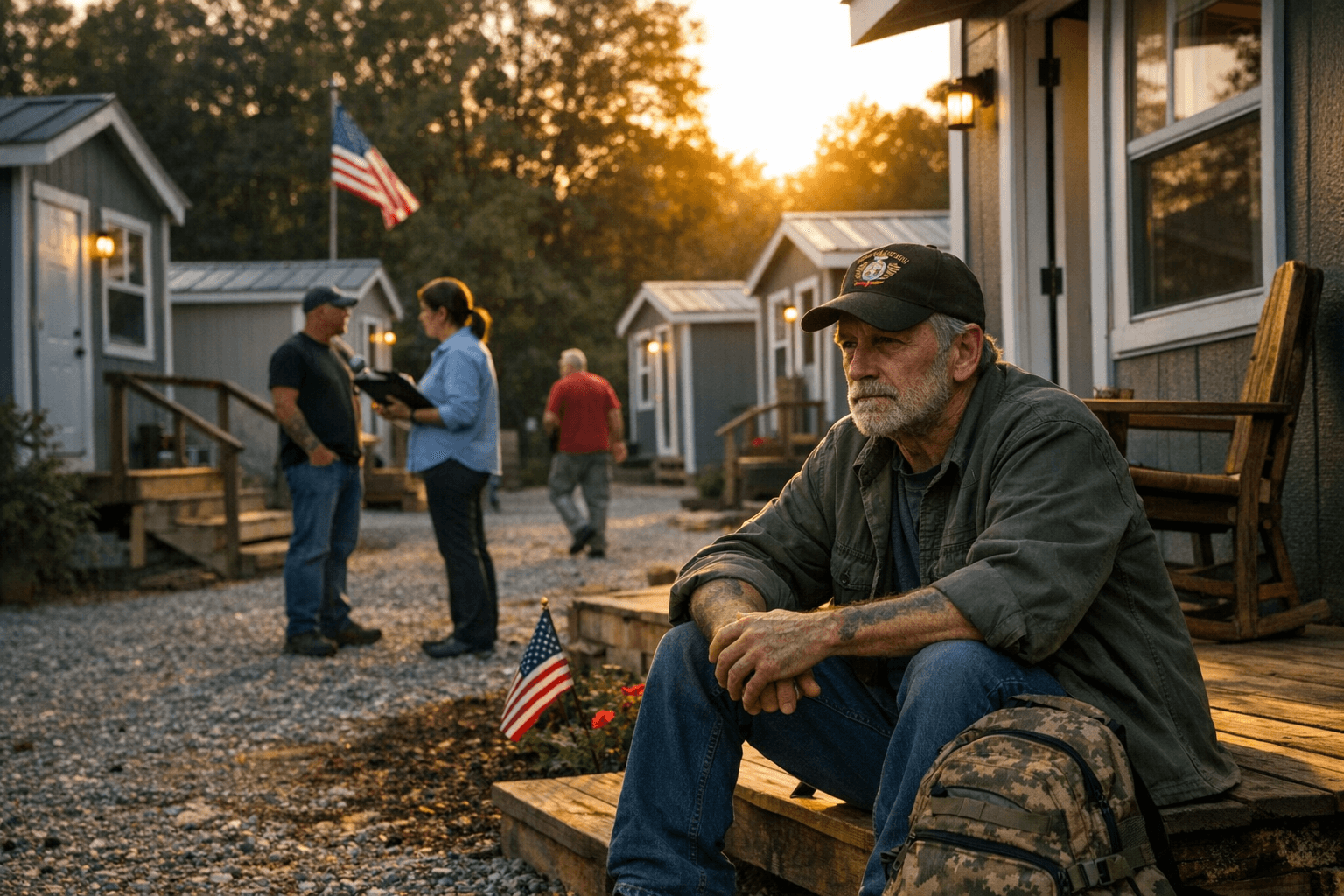
Redeploying American Veterans, a nonprofit founded by Army veteran Jimmy Plater, received city approval to build Fayetteville’s first tiny-home village for homeless veterans. The plan calls for six fully furnished one-bedroom tiny homes, each about 400 square feet, sited on city-approved land and paired with on-site supportive services.
The organization says the village will offer an array of wraparound services, including mental-health support and job training, as part of an integrated approach to stabilizing veterans who lack housing. RAV describes the model as an "ecosystem" that combines housing with clinical and employment supports to lower the risk of homelessness and suicide and to ease pressure on local shelters.
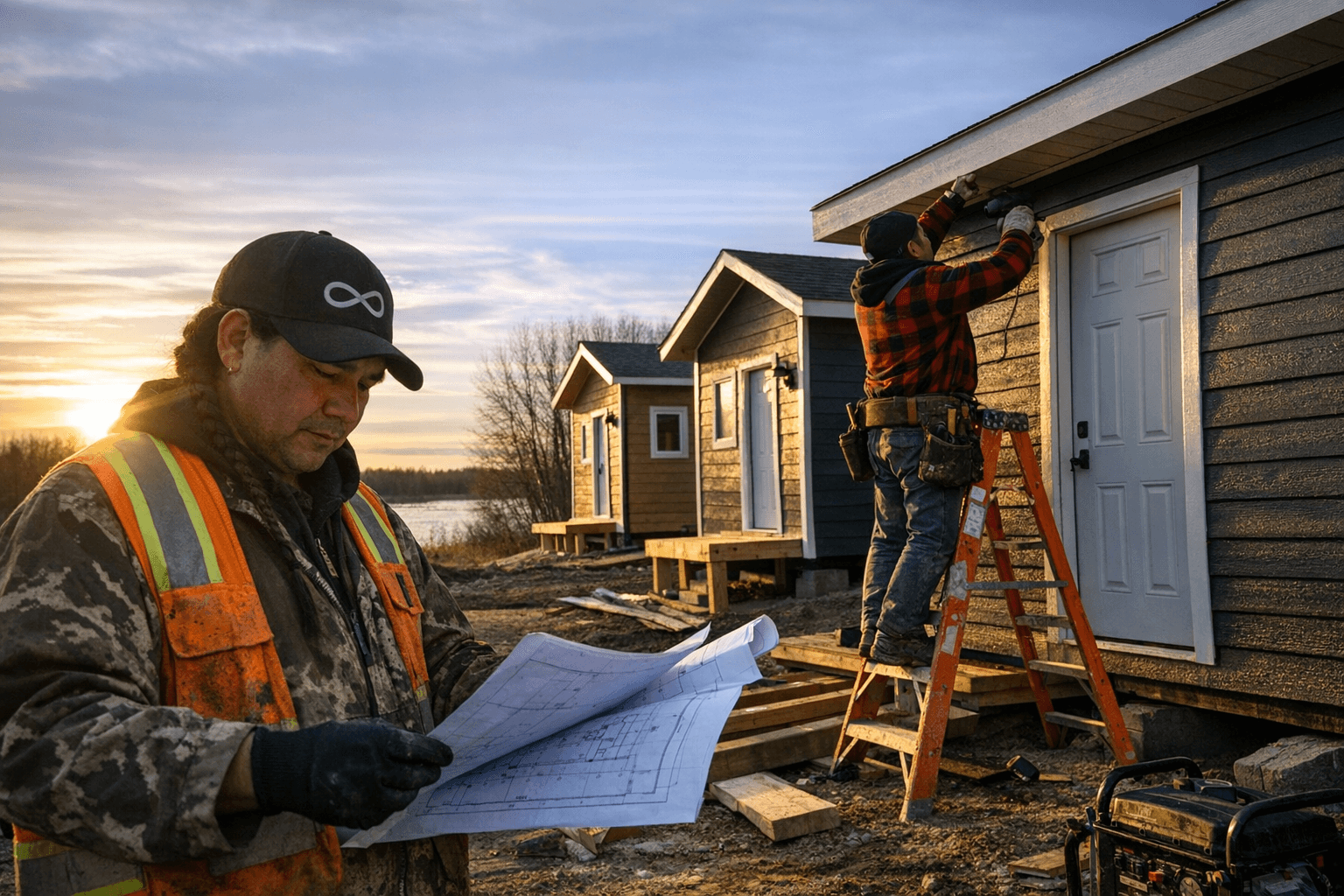
RAV expects to break ground within months and projects move-ins beginning in 2027. With just six units, the village is a small but targeted intervention intended to provide a stable, private dwelling and direct pathways into treatment, benefits enrollment, and work programs. Each unit’s one-bedroom layout and full furnishings aim to reduce move-in barriers and shorten the time from construction to occupancy.
City officials and service providers will be watching how the village fits into Fayetteville’s broader homeless-response system. The most recent local count recorded 28 veterans experiencing homelessness, a figure community workers say is likely undercounted. For a town with a small but visible veteran-homeless population, a dedicated village could create capacity for higher-needs cases that local shelters are not equipped to handle and free up emergency beds for others.
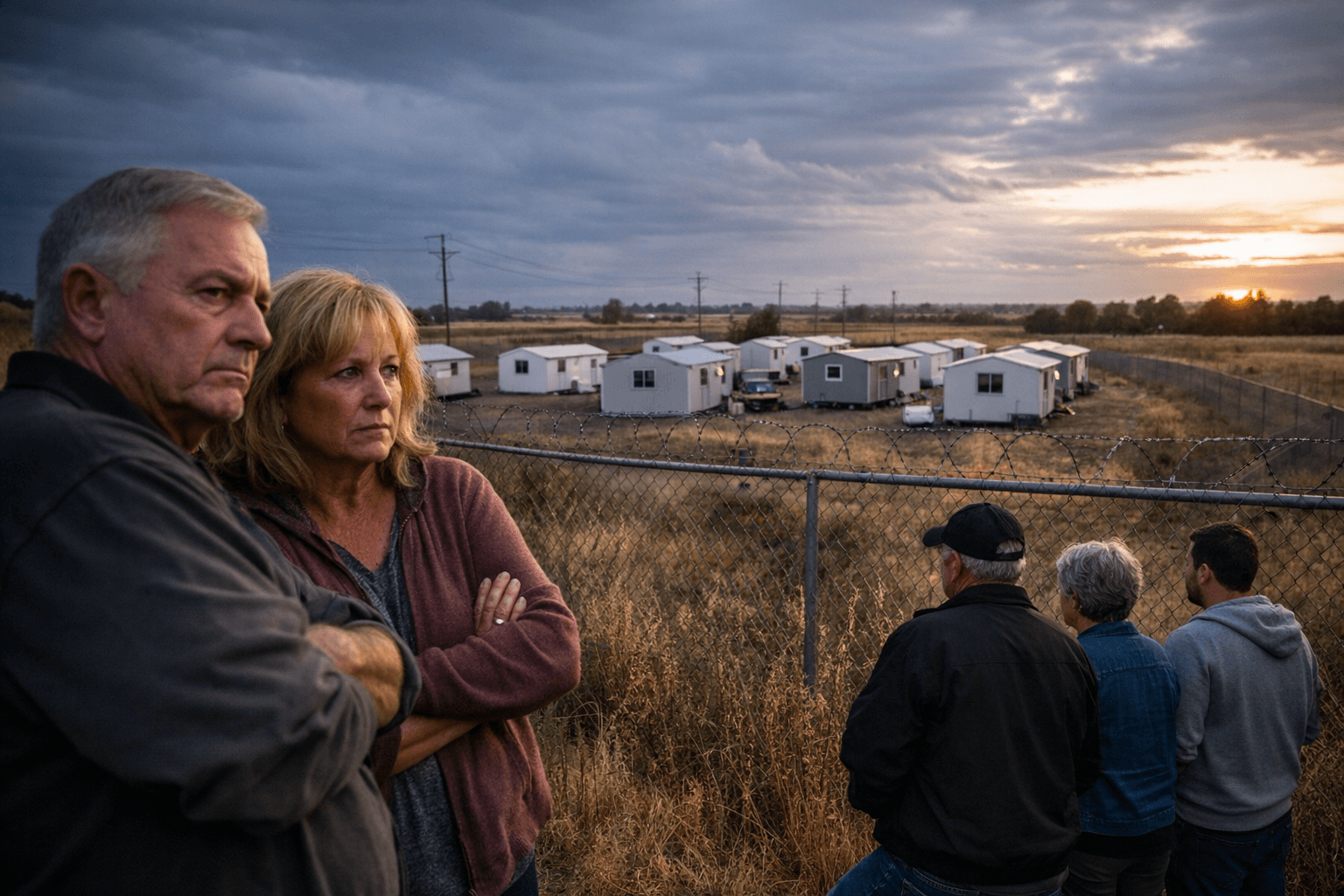
Practical impacts for neighbors and stakeholders include a change in land use and a new point of coordination for veteran services. The project’s success will hinge on the quality and continuity of the promised mental-health and job-training components, and on how well local agencies and RAV align referrals and case management. Construction will also trigger routine permitting and public-notice processes that residents can monitor if they want timelines and site details.
The takeaway? Tiny homes aren’t a cure-all, but when paired with reliable supports they can move veterans from crisis to stability. Our two cents? Keep an eye on the services as much as the buildings, the real win will be steady case management, timely mental-health care, and clear job pathways that let these small-footprint homes lead to big, lasting change.
Know something we missed? Have a correction or additional information?
Submit a Tip