FBI arrests ex-USAF F-35 instructor for training Chinese pilots
The FBI arrests former USAF Maj. Gerald Eddie Brown Jr. for allegedly training Chinese military pilots, exposing sensitive F-35 know-how and prompting immediate national security reviews.
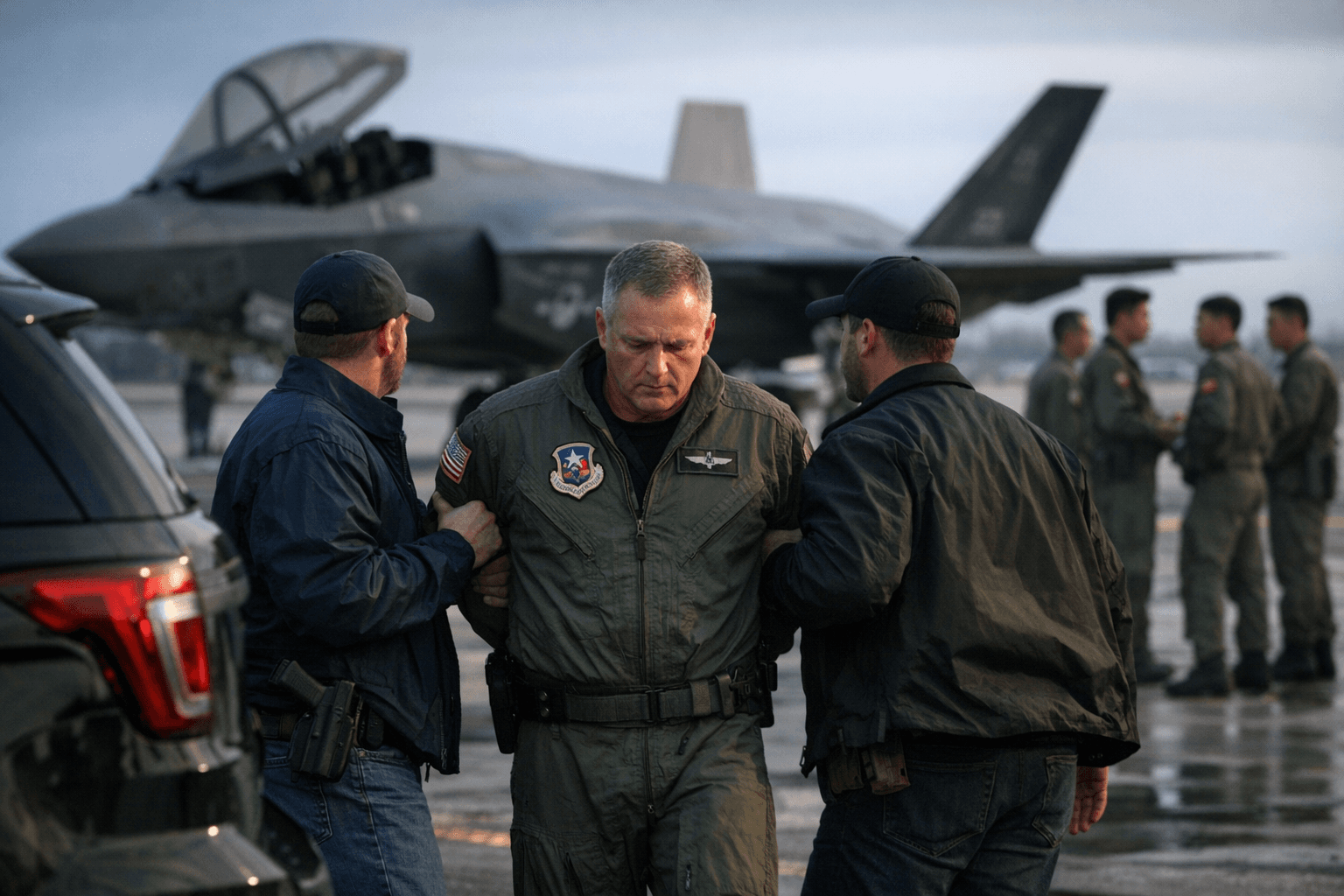
The FBI has arrested former U.S. Air Force instructor pilot Maj. Gerald Eddie Brown Jr. on allegations that he trained Chinese military pilots, a move authorities say raises immediate and serious national security risks tied to the Pentagon’s most advanced fighter program. Brown, described in public reports as experienced with the F-35 Lightning II, is now the focus of a federal probe into the transfer of operational knowledge to a strategic rival.
The arrest puts into relief the operational value of human expertise in modern air warfare. The F-35 program, widely regarded as the Pentagon’s centerpiece for 21st century air superiority, carries lifetime cost estimates of roughly $1.7 trillion and embeds advanced stealth, sensor fusion and mission-tactics that depend on classified training and simulation. Experts warn that the unauthorized transfer of tactics, training syllabi or simulator data could shorten the timeline for an adversary to neutralize U.S. advantages.
Federal officials have not released charging documents publicly, but investigators are expected to assess what specific skills and materials Brown may have provided, the duration and location of any training, and whether foreign military entities gained access to flight logs, tactics or classified training tools. The arrest also triggers immediate administrative steps across the military training ecosystem: review of training rosters and contractor access, accelerated background checks for instructors, and potential restrictions on foreign participation in multinational training exercises.
Operational repercussions could ripple across allied programs as well. More than a dozen U.S. partners operate or are acquiring F-35 variants; interoperability and shared tactics are core to coalition operations. Lawmakers and Pentagon officials are likely to weigh whether tighter controls are needed on who can instruct or observe allied pilots during joint training, and whether current safeguards on simulators, mission-rehearsal software and classified curricula are adequate.
The case arrives against a backdrop of intensifying strategic competition and heightened concern within Washington about technology and skills leakage. For defense industry stakeholders, the episode may prompt investors to scrutinize risks tied to program security and export controls, and it could complicate ongoing discussions over technology sharing with allies and partners. For the services, a central question will be how to balance the operational benefits of international training with the vulnerability created by dispersed expertise.
Longer term, the arrest underscores a shift in the nature of espionage and technology transfer. As weapon systems rely ever more on data, software and human-in-the-loop tactics, the effective protection of national advantage requires not only hardware safeguards but rigorous personnel counterintelligence and continuous monitoring of training flows. The FBI’s action places those issues squarely on the defense agenda and signals that the U.S. will pursue criminal remedies where investigators conclude critical know-how crossed into adversary hands.
This article was produced by Prism’s automated news system from verified source data, official records, and press releases, then run through automated quality and moderation checks before publishing. The system is built and supervised by the people who set the standards it runs under. Read our full AI policy.
Did this article answer your question?

