FBI Arrests Theodore Kaczynski, Ending America's Longest Unabomber Manhunt
A brother's recognition of familiar prose in a 35,000-word manifesto ended 17 years of mail bombings and gave law enforcement a new investigative weapon.
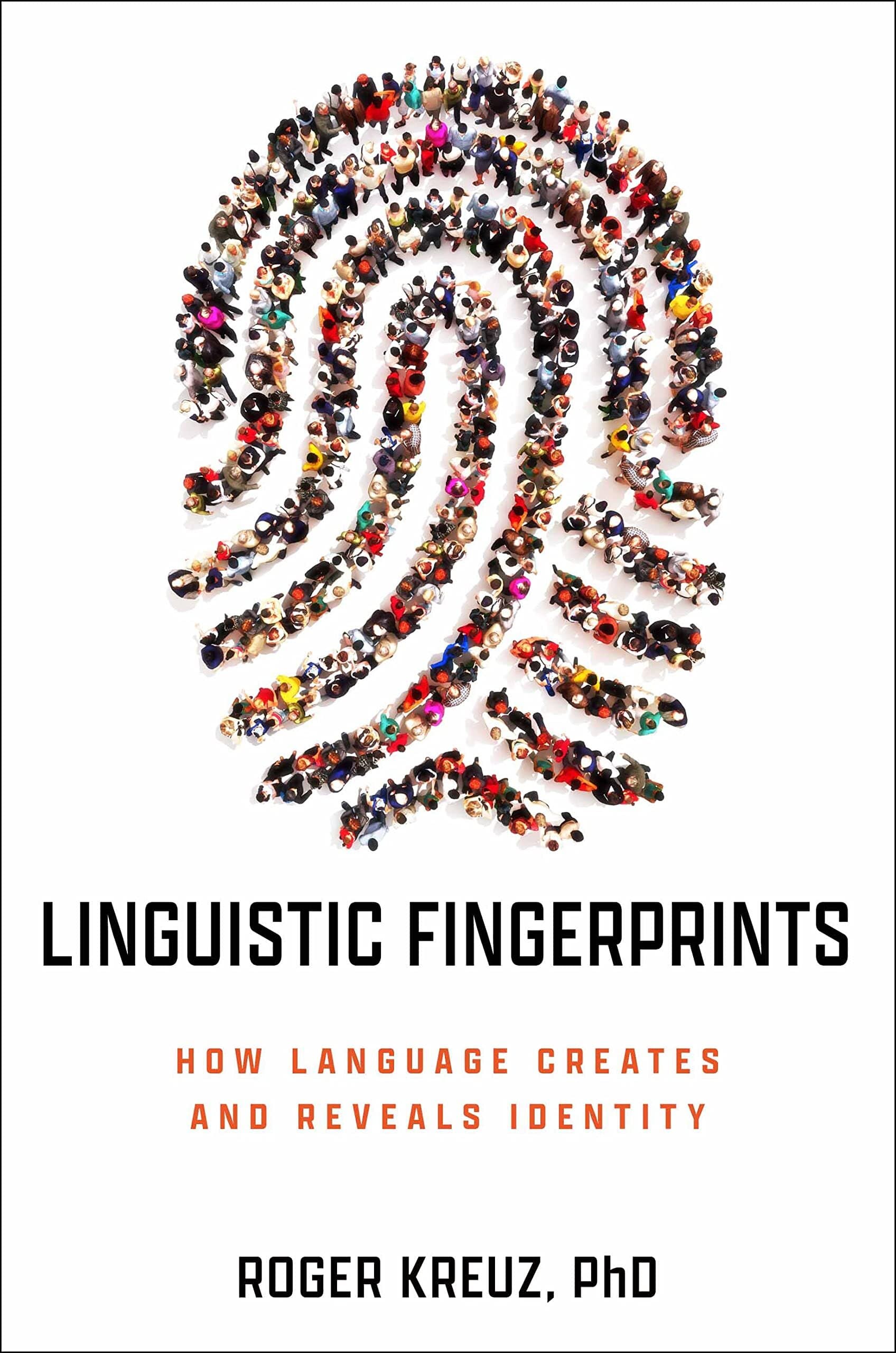
When federal investigators finally closed in on Theodore Kaczynski, they were guided not by fingerprints or surveillance footage but by the rhythms of his sentences. The arrest on April 3, 1996, outside a one-room cabin in the Montana mountains ended 17 years of mail bombings that killed three people and injured 23 others, and it marked the first time the FBI used forensic linguistics to identify and apprehend a suspect in a domestic terrorism case.
The investigation, codenamed UNABOM for "University and Airline Bombing," had consumed the FBI, the ATF, and the U.S. Postal Inspection Service since Kaczynski's first attack in May 1978. Despite years of leads and enormous resources, investigators were repeatedly stymied. Kaczynski had constructed his devices from scrap materials traceable to almost nowhere, and his victims, investigators later discovered, were chosen at random through library research.
The decisive gamble came in September 1995. Kaczynski had threatened to continue his campaign unless a major publication printed his 35,000-word anti-technology manifesto, "Industrial Society and Its Future." FBI Director Louis Freeh and Attorney General Janet Reno approved publication, banking on the idea that someone would recognize the author's voice. The Washington Post ran the essay on September 19, 1995, as an eight-page special section. More than 50,000 calls flooded the UNABOM tip line in the months that followed. Only one changed everything.
David Kaczynski, Ted's younger brother, saw unmistakable traces of his sibling in the manifesto's prose, its arguments, its cadences. He contacted the FBI through a lawyer and provided letters Ted had written him over the years. FBI forensic linguist James Fitzgerald compared those letters to the manifesto, finding consistent patterns in vocabulary, syntax, and distinctive phrasing. Sociolinguist Roger Shuy identified regional markers pointing to Chicago, consistent with Kaczynski's 1942 birth there, and the geographic cluster of his earliest bombings. When those linguistic findings were combined with biographical details from Kaczynski's life, investigators had what they needed for a search warrant.
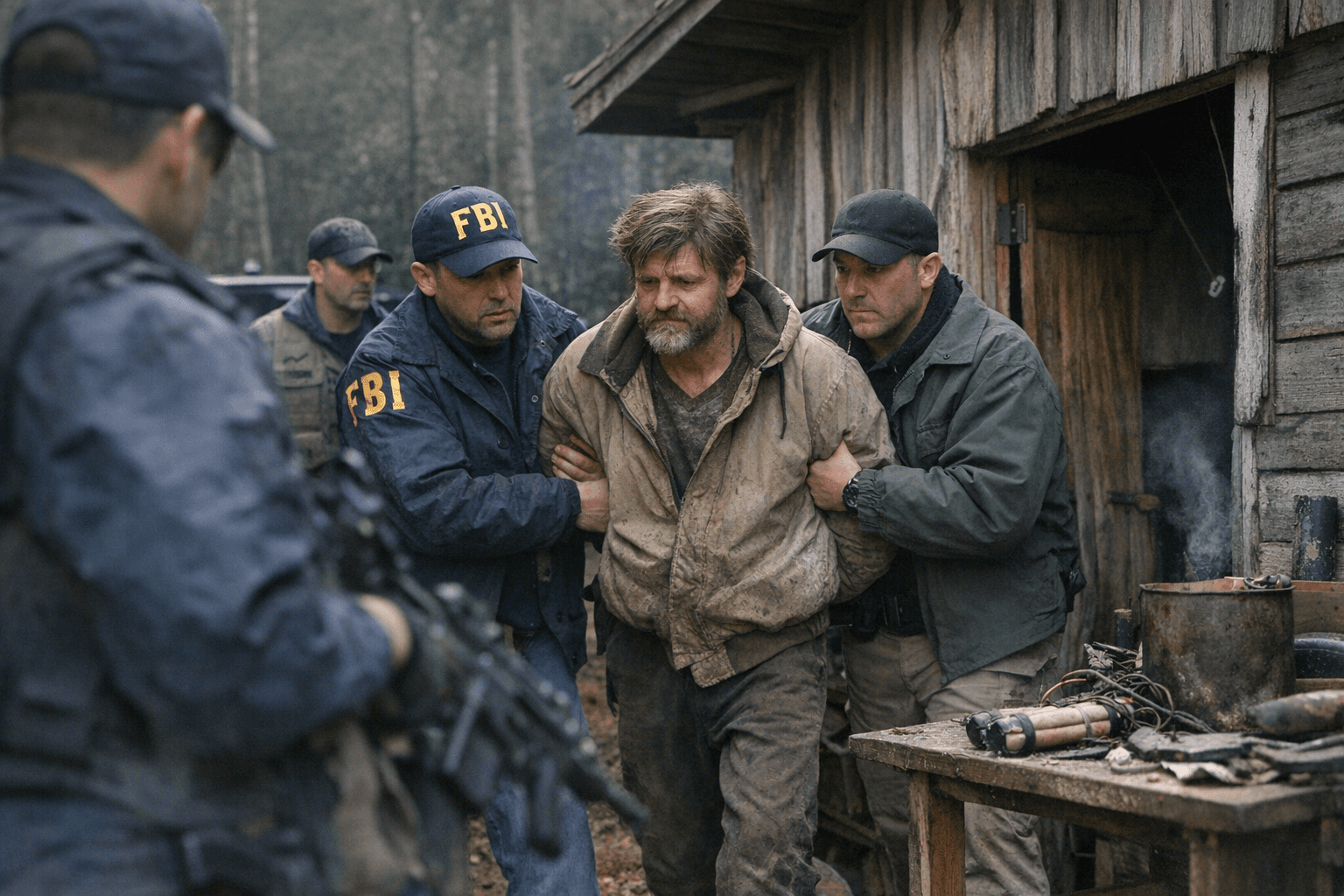
What they found at the Lincoln, Montana, cabin was staggering: bomb components, a live device ready for mailing, and more than 40,000 handwritten journal pages documenting bomb-making experiments and detailed accounts of each attack. Kaczynski, a mathematics prodigy who had graduated from Harvard in 1962, earned a PhD from the University of Michigan in 1967, and briefly served as an assistant professor at UC Berkeley before abruptly resigning in 1969, had lived in that structure alone for roughly 25 years.
He pleaded guilty in January 1998 and was sent to the federal "Supermax" facility in Florence, Colorado. He died there on June 10, 2023, at age 81.
The case's long shadow over law enforcement is hard to overstate. UNABOM effectively institutionalized forensic linguistics as a tool in criminal investigations, establishing that a suspect's writing style carries a kind of authorial fingerprint as distinctive as DNA. It also reframed how agencies think about lone-actor violence: isolated individuals operating without organizational backing, choosing targets through research rather than personal grievance, can evade traditional investigative methods for years. The lesson that ultimately cracked the case, that the most durable link between a criminal and his crimes is often language itself, has since shaped how agencies approach threatening manifestos, extremist writings, and anonymous communications across the spectrum of domestic threat.
This article was produced by Prism’s automated news system from verified source data, official records, and press releases, then run through automated quality and moderation checks before publishing. The system is built and supervised by the people who set the standards it runs under. Read our full AI policy.
Did this article answer your question?

