FCC chair flags competition concerns over Netflix-Warner Bros. acquisition
FCC Chair Brendan Carr says the proposed Netflix purchase of Warner Bros. assets raises "legitimate competition concerns," signaling heightened regulatory scrutiny.
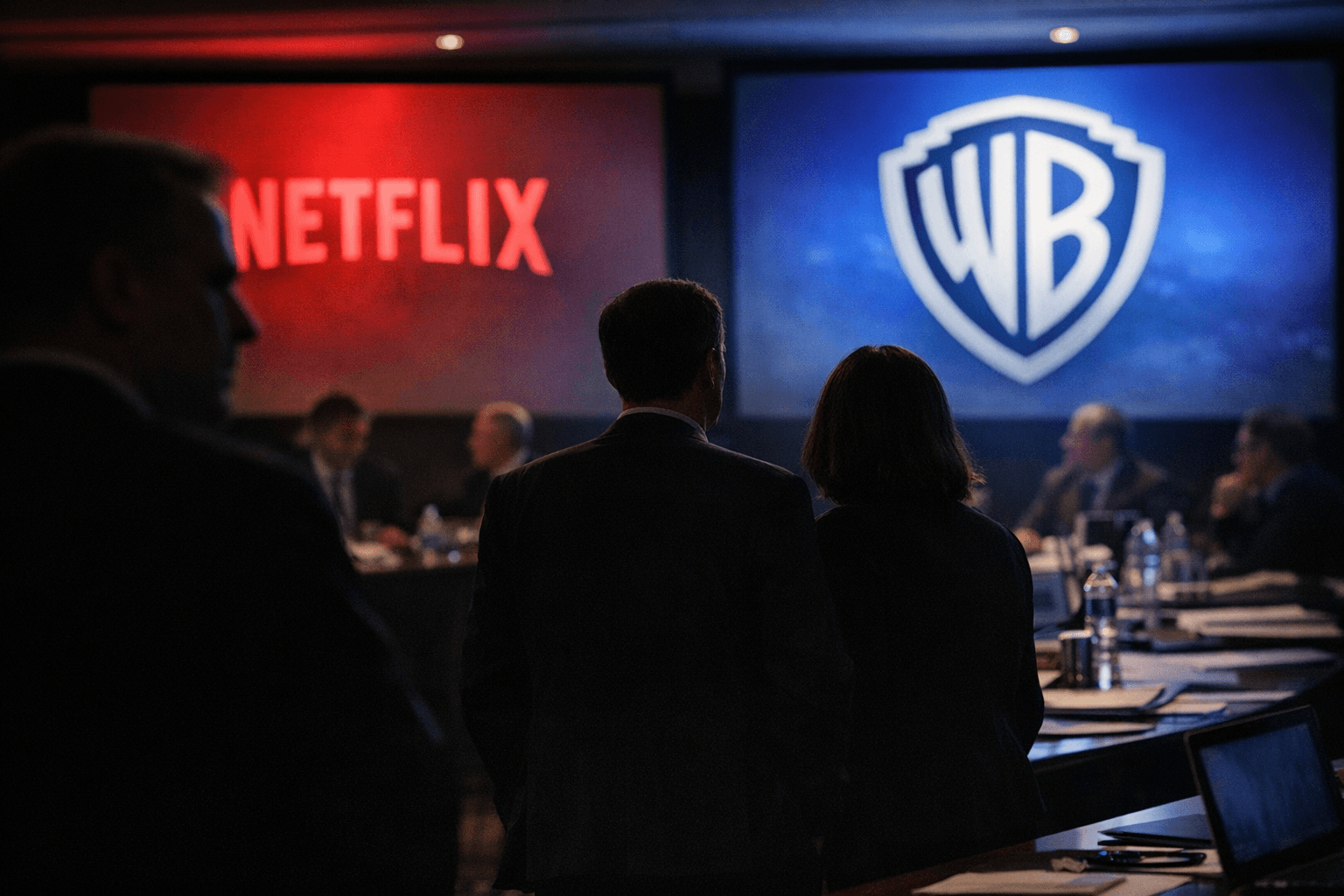
Federal Communications Commission Chair Brendan Carr said he sees "legitimate competition concerns" with Netflix's proposed acquisition of Warner Bros. Discovery's studios and streaming businesses, elevating regulatory attention on a deal that would consolidate two of the entertainment industry's most powerful content engines. In an interview published Jan. 24, 2026, Carr praised Netflix's organic growth but warned the transaction could reshape competitive dynamics across production and distribution.
Carr's comments matter because they come from the head of a key communications regulator even though the primary antitrust review of the merger will fall to competition authorities. By publicly signaling concern, the FCC chair injects a political and regulatory voice into a debate that has broad implications for consumers, creators, and competitors. The comment is likely to intensify scrutiny from lawmakers, state attorneys general and public interest groups worried about media consolidation, content gatekeeping and potential downstream impacts on streaming prices and access.
The proposed deal would combine a major global streaming service with a vast library of film and television production, raising familiar questions about vertical and horizontal integration. Vertical integration could allow a combined entity to prioritize its own content across distribution channels, while horizontal consolidation could reduce the number of independent studios and increase the bargaining power of the merged firm with advertisers, cable operators and rival platforms. These are exactly the types of structural concerns Carr flagged in his assessment.
Institutionally, the FCC's role in such transactions is limited but not irrelevant. The commission regulates certain broadcast licenses and broadband policy and has influence over market rules that affect how content is delivered. The principal merger review for competition effects typically rests with antitrust enforcers, yet public statements by the FCC chair can shape the narrative and encourage interagency coordination. Agency leaders often set the terms of public debate, and Carr's assessment is likely to be cited by advocates pressing for a rigorous, transparent review.
The political dynamics within independent agencies also matter. Commissioners are appointed and confirmed through political processes, and their public positions can foreshadow how regulatory standards are applied in closely contested cases. Carr's intervention could prompt commissioners, members of Congress and interested parties to articulate clearer tests for when scale becomes anticompetitive in digital media markets and what remedies, if any, should be imposed.
For consumers and creators, the policy stakes are tangible. Consolidation of production and distribution can influence what content is made, who gets paid and how widely material is available. For competitors, the merger would alter bargaining dynamics and could raise barriers to entry for smaller producers and platforms. Policymakers must weigh potential gains from integrated operations against the risks to competition and diversity of voices.
Carr's statement frames the debate at a critical moment, underscoring the need for a transparent, evidence-based review that lays out the competitive risks and remedies. As the transaction moves through regulatory channels, the public and elected officials will be watching whether agencies converge on a common analytical approach or diverge in ways that reshape merger policy for the streaming era.
This article was produced by Prism’s automated news system from verified source data, official records, and press releases, then run through automated quality and moderation checks before publishing. The system is built and supervised by the people who set the standards it runs under. Read our full AI policy.
Did this article answer your question?

