FDA accepts Eisai-Biogen filing for weekly LEQEMBI IQLIK autoinjector review
The FDA accepted a supplemental application for a subcutaneous LEQEMBI autoinjector, triggering priority review with a May 24, 2026 PDUFA date.
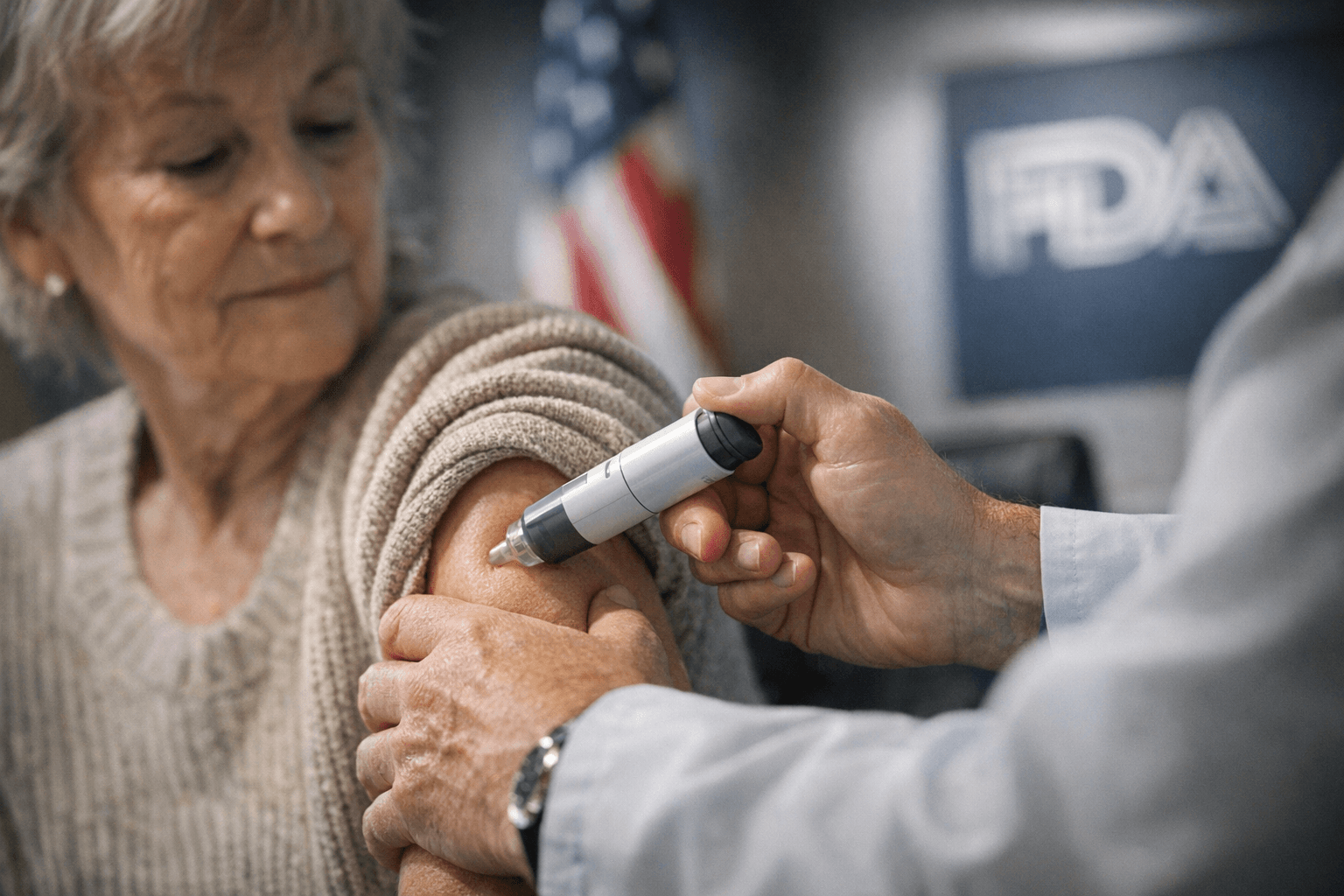
The U.S. Food and Drug Administration has accepted for review a supplemental Biologics License Application from Eisai and Biogen for a subcutaneous autoinjector formulation of LEQEMBI, branded LEQEMBI IQLIK, the companies announced. The application, which seeks approval for a weekly starting dose in patients with early Alzheimer’s disease, has been granted priority review and carries a target action date of May 24, 2026.
The submission marks a strategic attempt to shift lecanemab-irmb administration away from clinic-based infusion and toward a potentially self-administered autoinjector. LEQEMBI IQLIK is proposed as a weekly starting regimen for people diagnosed with early-stage Alzheimer’s disease, a population for which anti-amyloid antibody therapy is already in clinical use. The companies did not publish full details of the data package in their announcement, and the FDA will now evaluate the application for safety, efficacy, immunogenicity and manufacturing controls.
If approved, the subcutaneous autoinjector could materially change the logistics of delivering this class of therapy. Current administration of anti-amyloid antibodies has relied largely on intravenous infusion in medical settings, a model that requires specialized staff, infusion suites and extended patient visits. A validated autoinjector would reduce that infrastructure need, potentially improving convenience for patients and caregivers and expanding access for those in rural or underserved areas. It could also lower per-dose delivery costs and shorten clinic time, factors that health systems and payers will closely scrutinize.
However, major questions remain about clinical equivalence and safety. Anti-amyloid antibodies have been associated with amyloid-related imaging abnormalities, known as ARIA, which can include brain edema and microhemorrhages and typically requires MRI monitoring. The FDA will assess whether the subcutaneous formulation alters the incidence or severity of such events, and whether home administration changes the risk profile. The agency will also evaluate immunogenicity data to ensure that subcutaneous delivery does not provoke different antibody responses that could affect efficacy or safety.
Beyond clinical and regulatory considerations, the filing raises wider policy and ethical issues. Payers, including Medicare, have been cautious about coverage policies for anti-amyloid therapies because of cost and debates over population benefit. A more convenient route of administration could increase demand and therefore intensify discussions about eligibility, monitoring requirements, and long-term coverage decisions. Equity advocates note that simplifying administration may help overcome access barriers for people who cannot travel frequently to infusion centers, but they caution that meaningful improvement will require concurrent policies on affordability and imaging capacity.
The FDA’s priority review designation signals that regulators consider the potential public health impact significant enough to warrant an expedited review timetable. Between now and the May 24, 2026 PDUFA date, the agency will examine clinical trial and pharmacokinetic data, manufacturing consistency for the autoinjector device, and postmarketing commitments should approval be granted. The decision will be closely watched by clinicians, patient groups and the broader health care system for what it may mean for the next phase of Alzheimer’s treatment delivery.
This article was produced by Prism’s automated news system from verified source data, official records, and press releases, then run through automated quality and moderation checks before publishing. The system is built and supervised by the people who set the standards it runs under. Read our full AI policy.
Did this article answer your question?