FDA and Growers Adopt Regional Labels to Lift Romaine Advisory
Federal regulators and major romaine producers unveiled a voluntary labeling plan to add harvest region and date to shipments from the Central Coast of California, a measure intended to let many romaine products return to stores while investigations continue. The move matters because it aims to preserve public safety, restore supply for consumers and businesses, and expose gaps in traceability and equity that have long shaped food safety responses.
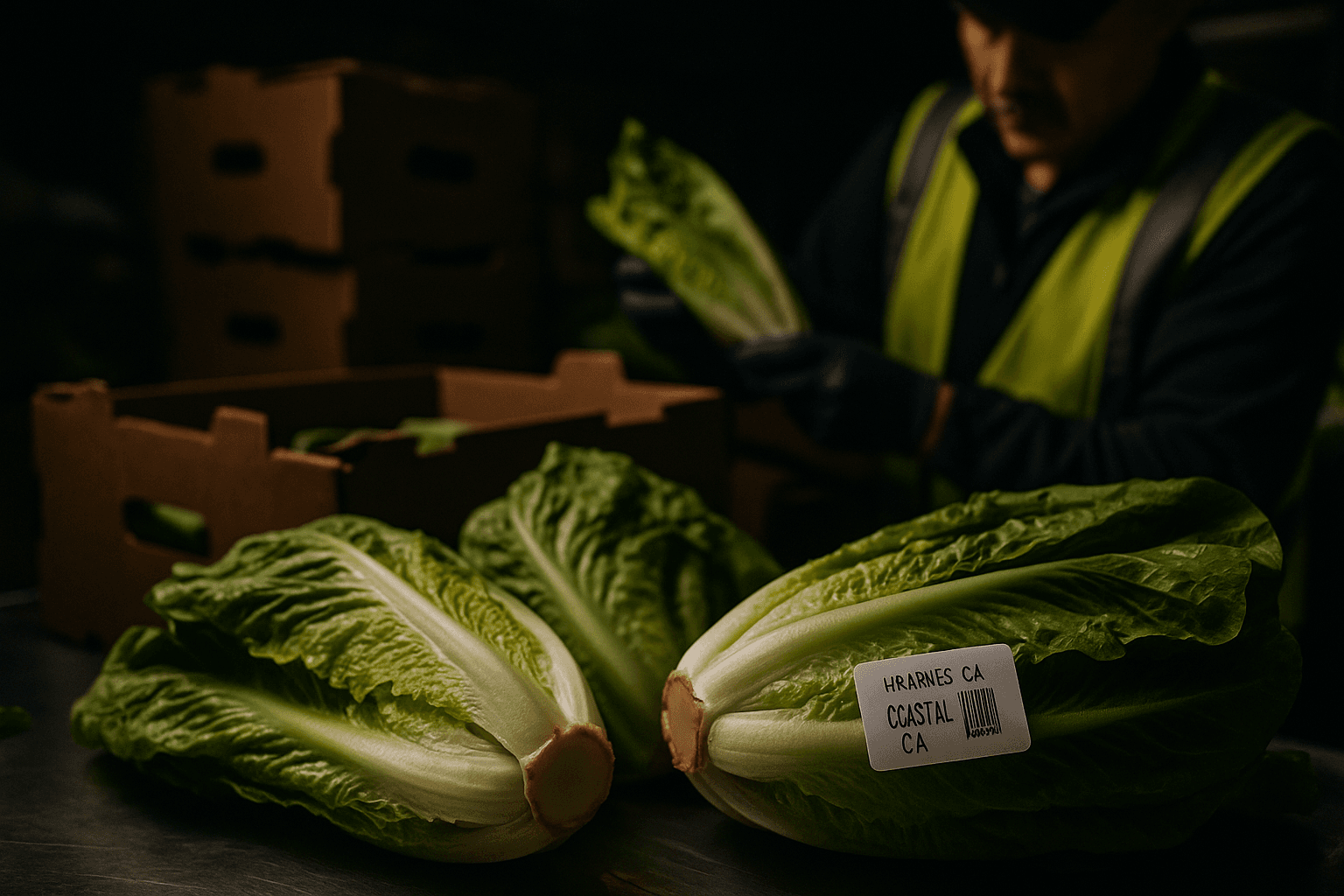
On November 26, 2025 federal officials and industry groups announced a voluntary labeling agreement for romaine lettuce designed to allow the Food and Drug Administration to narrow and ultimately lift a broad consumer advisory tied to a multistate E. coli outbreak. Under the plan several major growers and packers agreed to place harvest region and harvest date information on romaine shipments originating from the Central Coast growing region in northern and central California.
Officials said the additional labeling will permit regulators to distinguish lots linked to the outbreak from those that are not, enabling products not tied to cases to reenter retail and food service markets with verified traceability. Industry leaders characterized the measure as a way to restore supply chains while continuing to prioritize consumer safety. Public health agencies emphasized that monitoring and investigation will continue and urged consumers to avoid romaine that cannot be traced to labeled harvests in specified regions and dates until the outbreak probe is complete.
The decision reflects the growing role of supply chain traceability in outbreak response and the practical limits of a voluntary approach. The labeling carries potential benefits for shoppers seeking safe produce and for retailers and restaurants that rely on predictable lettuce supplies. For large supermarkets and national chains the added information can speed inventory decisions and reduce waste from precautionary pulls of unconnected product. For independent grocers and small restaurants the return of labelable romaine could ease cost pressures that followed the broad advisory.
But the arrangement also highlights equity concerns. Past advisories that remove an entire category of fresh produce disproportionately affect lower income households and communities already facing limited access to fresh fruits and vegetables. Small retailers and food banks that lack sophisticated procurement systems can be slower to reestablish certified supply, leaving some consumers with reduced access to affordable leafy greens at a time when diet related chronic diseases remain prevalent.
The voluntary nature of the plan leaves open enforcement and consistency questions. Labels can aid tracebacks when applied at harvest and retained through processing, packing and distribution. However repackaging, mixed lots and informal supply channels can undermine traceability, a challenge regulators noted during past outbreaks. The episode adds urgency to debates over whether stronger, mandatory traceability rules would better prevent broad advisories that remove safe product from market while protecting public health.
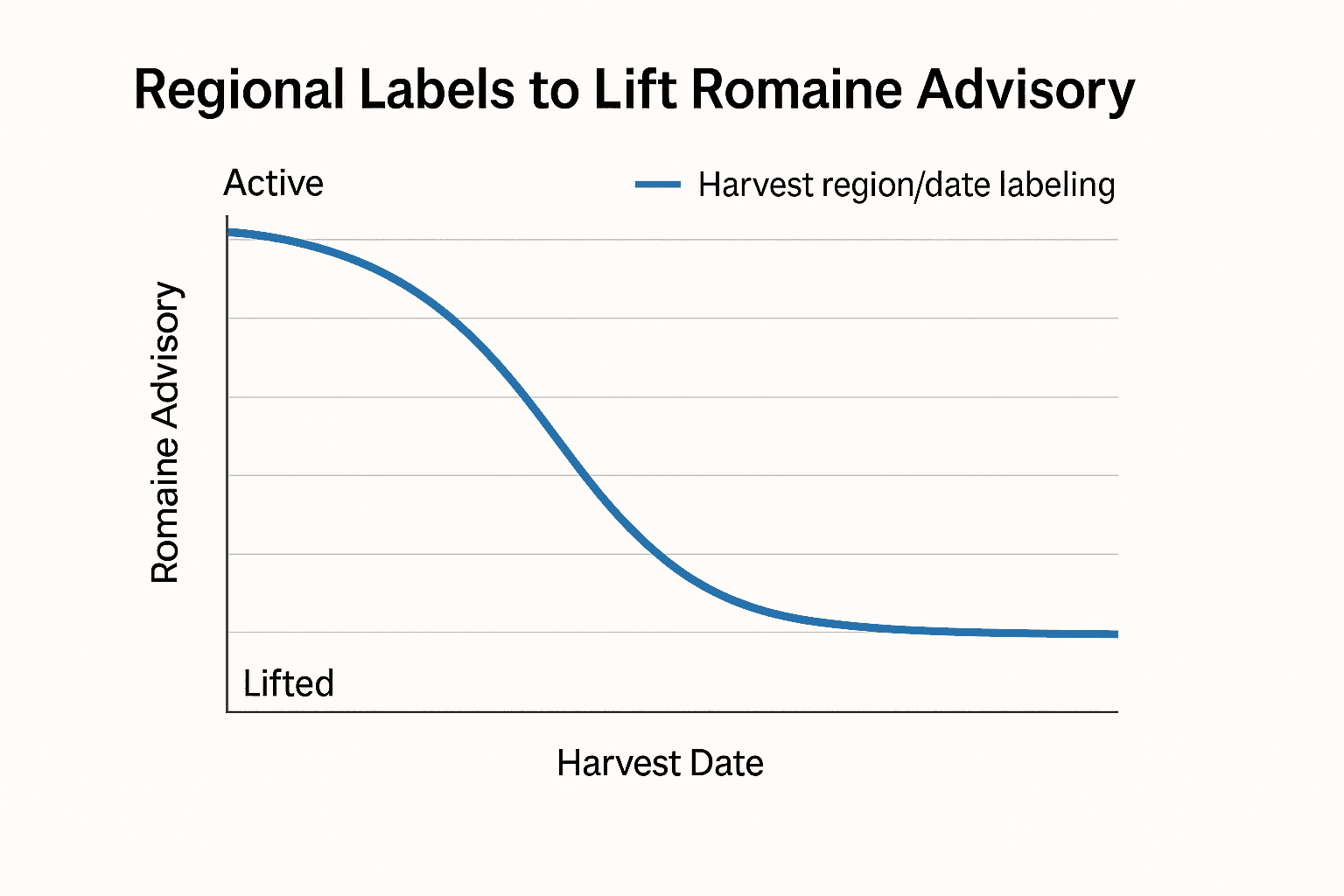
Public health officials said they will continue environmental sampling and case investigations and will rescind or narrow the advisory only when evidence supports a safe reopening of supply. The industry initiative offers a stopgap intended to balance consumer protection and the economic impacts of a sweeping advisory, but it also underscores systemic weaknesses in tracking fresh produce from field to fork.
As investigations proceed consumers, retailers and public health advocates will be watching whether voluntary labels deliver transparent, reliable traceability and whether policymakers use the episode to push for lasting reforms that reduce both foodborne illness and unequal burdens when outbreaks occur.
This article was produced by Prism’s automated news system from verified source data, official records, and press releases, then run through automated quality and moderation checks before publishing. The system is built and supervised by the people who set the standards it runs under. Read our full AI policy.
Did this article answer your question?