FDA approves first new sunscreen ingredient in more than 25 years
FDA cleared bemotrizinol after a 25-year drought, opening the U.S. market to a UVA and UVB filter long used abroad and likely to reach shelves after an exclusivity period.
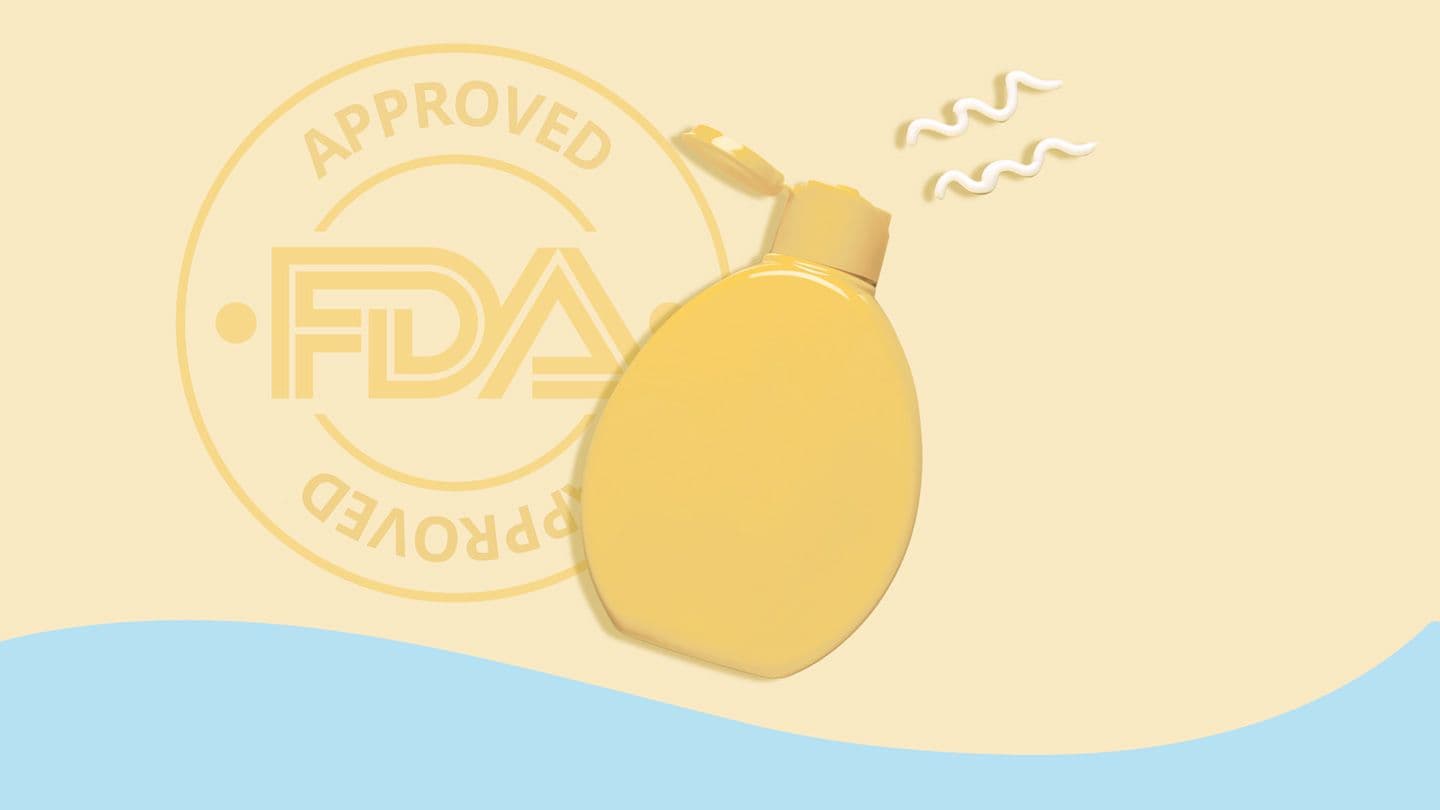
The Food and Drug Administration approved bemotrizinol for sunscreens sold in the United States, ending a more than 25-year stretch without a new sunscreen active ingredient. The decision matters because bemotrizinol adds a broad-spectrum UV filter that the agency says protects against both UVA and UVB rays, has low skin absorption, and is considered generally recognized as safe and effective for adults and children 6 months and older.
The approval also exposed how slowly the U.S. over-the-counter sunscreen system had moved for decades. Bemotrizinol was authorized by European authorities in 1999 and first filed with the FDA for review in 2005, but it did not win final U.S. approval until June 9, 2026. FDA records show DSM Nutritional Products LLC pursued the ingredient through formal meetings with the agency, including a 2014 feedback letter and a January 29, 2019 teleconference request to discuss data needs. The company sought concentrations up to 6 percent in its OTC monograph order request.
The FDA proposed adding bemotrizinol on December 11, 2025, took public comment, and then finalized the action within seven months. It was the first new active ingredient added to the sunscreen monograph under the streamlined process created by the CARES Act, a change the agency says was meant to speed updates to old over-the-counter rules. FDA Commissioner Marty Makary has said the agency had historically moved too slowly in this area, and Karen Murry of the Office of Nonprescription Drugs said the new framework lets the agency work more efficiently with companies trying to bring innovative products to market.
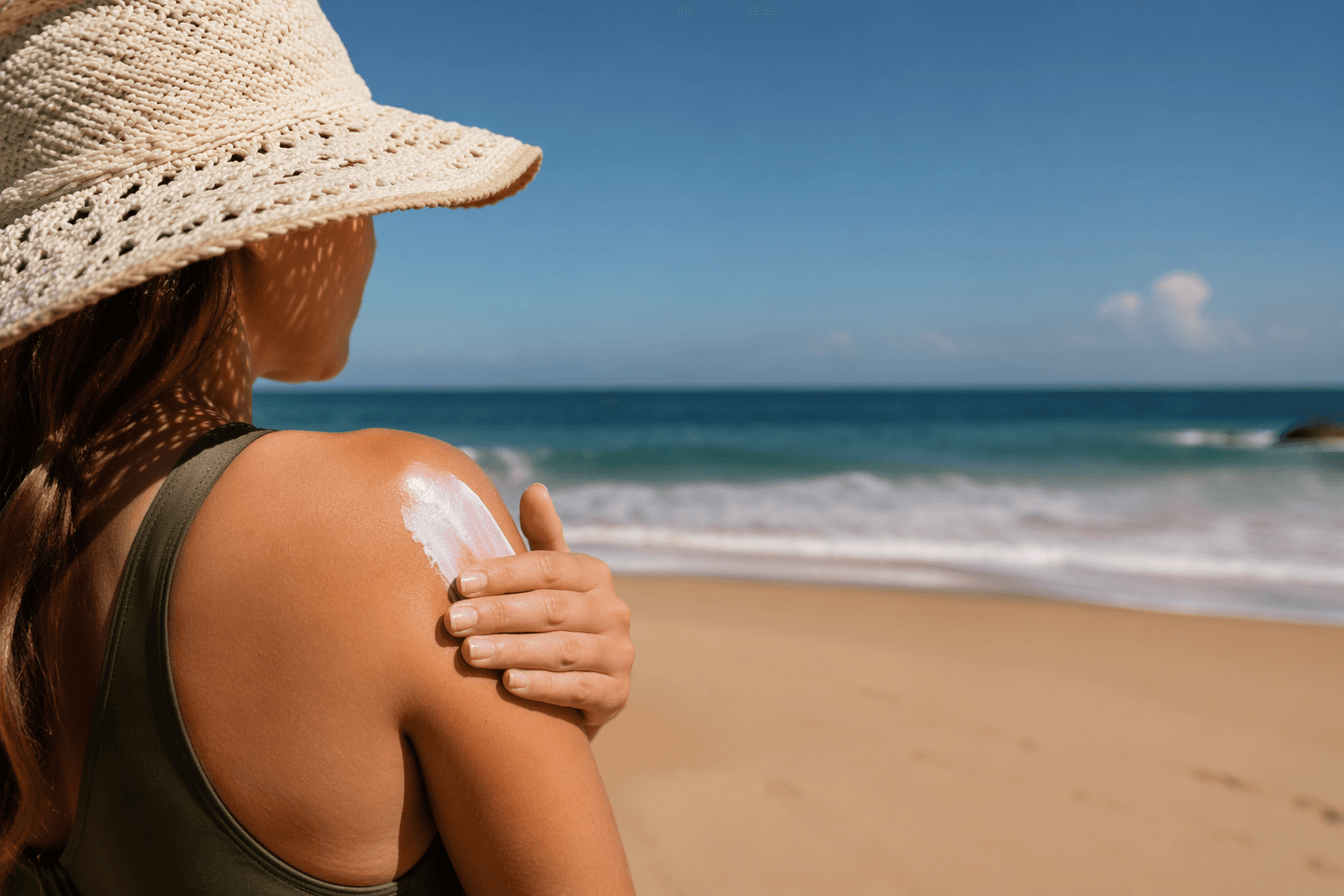
For consumers, bemotrizinol does not rewrite the basics of sunscreen advice, but it could broaden the choices available in the aisle. Dermatologists have described it as a more stable non-mineral chemical ingredient that breaks down less easily in sunlight than some existing filters, and CBS News said it may help consumers avoid the white cast associated with mineral sunscreens. The FDA still says broad-spectrum SPF 15 or higher sunscreens reduce the risk of skin cancer and early skin aging when used as directed with other sun protection measures.
Bemotrizinol has been used in Europe, Asia, Australia, and many other countries for years, and its U.S. launch is expected initially through DSM Nutritional Products under the brand name Parsol Shield. After an 18-month exclusivity period, other manufacturers may use the ingredient. The approval closes a regulatory gap that left the U.S. market lagging far behind the rest of the world, while giving sunscreen makers a new tool in a category tied directly to skin cancer prevention.
This article was produced by Prism’s automated news system from verified source data, official records, and press releases, then run through automated quality and moderation checks before publishing. The system is built and supervised by the people who set the standards it runs under. Read our full AI policy.
Know something we missed? Have a correction or additional information?
Submit a Tip