U.S. reports say Medicare Advantage delays post-acute care with denials
Paperwork denials in Medicare Advantage can stall rehab, block nursing-facility stays and strain families. Investigators say the biggest plans turned prior authorization into a barrier.
A denied form can mean a missed rehab bed, a delayed nursing-home transfer and a family left paying while a loved one waits for care. That is the pattern federal investigators have documented in Medicare Advantage, where prior authorization has become a gatekeeper for short-term skilled nursing facility stays, inpatient rehabilitation and long-term acute care.
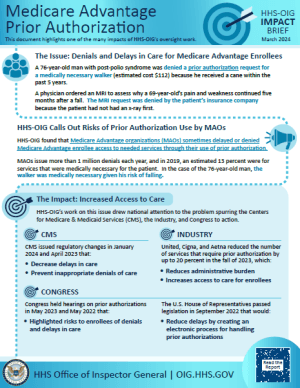
The U.S. Department of Health and Human Services Office of Inspector General said in a 2022 review that Medicare Advantage organizations sometimes delayed or denied services even when requests met Medicare coverage rules. The examples included advanced imaging and post-acute facility stays such as inpatient rehabilitation, and the agency warned that avoidable delays can burden beneficiaries, providers and plans alike. A separate report from the Senate Permanent Subcommittee on Investigations, released Oct. 17, 2024, went further, saying UnitedHealthcare, Humana and CVS used prior authorization to target stays in skilled nursing facilities, inpatient rehabilitation facilities and long-term acute care hospitals. That inquiry drew on more than 280,000 pages of documents obtained from the companies.

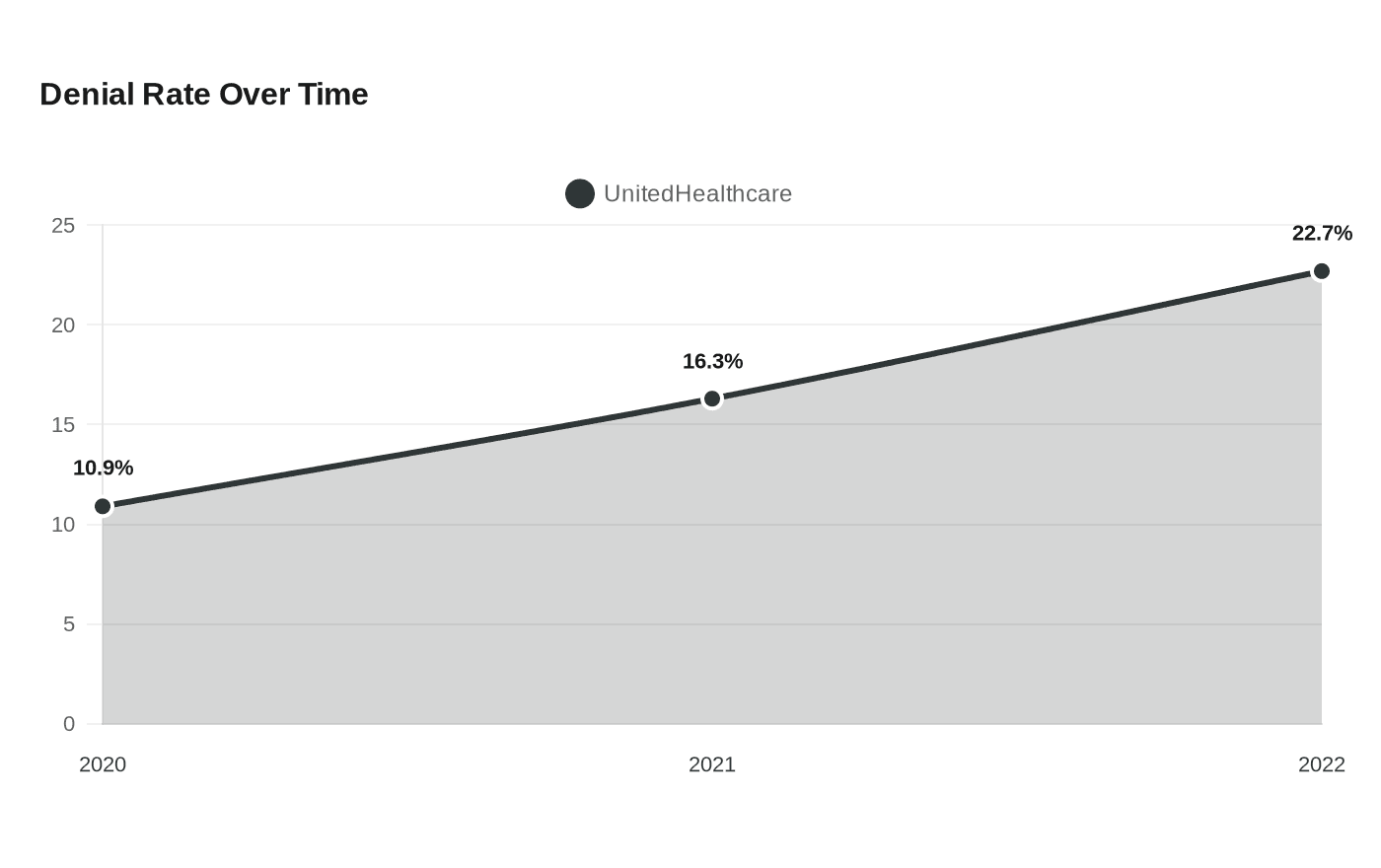
The Senate findings showed how aggressively the system has tightened. UnitedHealthcare’s post-acute-care denial rate rose from 10.9% in 2020 to 16.3% in 2021 and 22.7% in 2022. Investigators also said a December 2022 UnitedHealthcare working group explored machine learning tools to predict which denials were likely to be appealed, a sign that the company was looking for ways to automate the process around contested care.
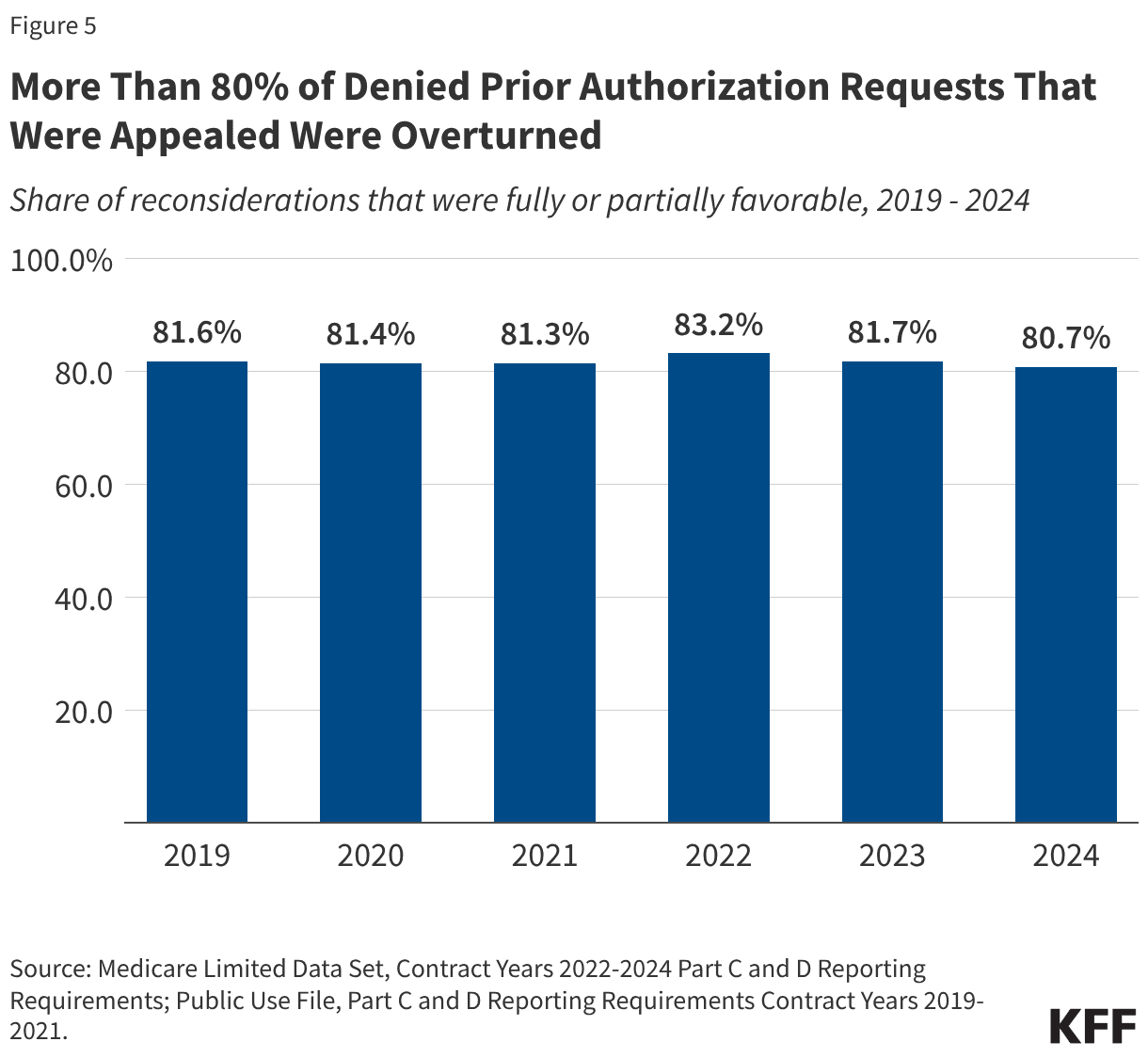
The stakes are enormous because virtually all Medicare Advantage enrollees, 99%, must get prior authorization for some services, usually the most expensive ones such as inpatient hospital care, skilled nursing facility stays and chemotherapy. KFF found that insurers handling Medicare Advantage submitted nearly 53 million prior authorization determinations in 2024, denying 4.1 million, or 7.7%. In 2022, KFF found 3.4 million denials, equal to 7.4% of 46.2 million requests, while only 9.9% of denied requests were appealed. Of those appeals, 83.2% were overturned.
Hospitals and regulators have pushed back. The American Hospital Association said Medicare Advantage denials can cause days or weeks of delay in discharge to post-acute care. CMS finalized a prior authorization rule on Jan. 17, 2024, aimed at faster decisions, with most requirements taking effect in 2026 and deadlines of 72 hours for expedited requests and seven calendar days for standard ones. Even with those changes, the pressure on post-acute care access remains a central test for a market that covered 54% of eligible Medicare beneficiaries in 2024.
This article was produced by Prism’s automated news system from verified source data, official records, and press releases, then run through automated quality and moderation checks before publishing. The system is built and supervised by the people who set the standards it runs under. Read our full AI policy.
Know something we missed? Have a correction or additional information?
Submit a Tip