FDA clears BioMarin’s PALYNZIQ for adolescents 12 and up, widening PKU treatment options
BioMarin says the FDA approved PALYNZIQ for patients 12 and older, expanding access to the only enzyme substitution therapy for PKU and offering a new option for teens with high phenylalanine.
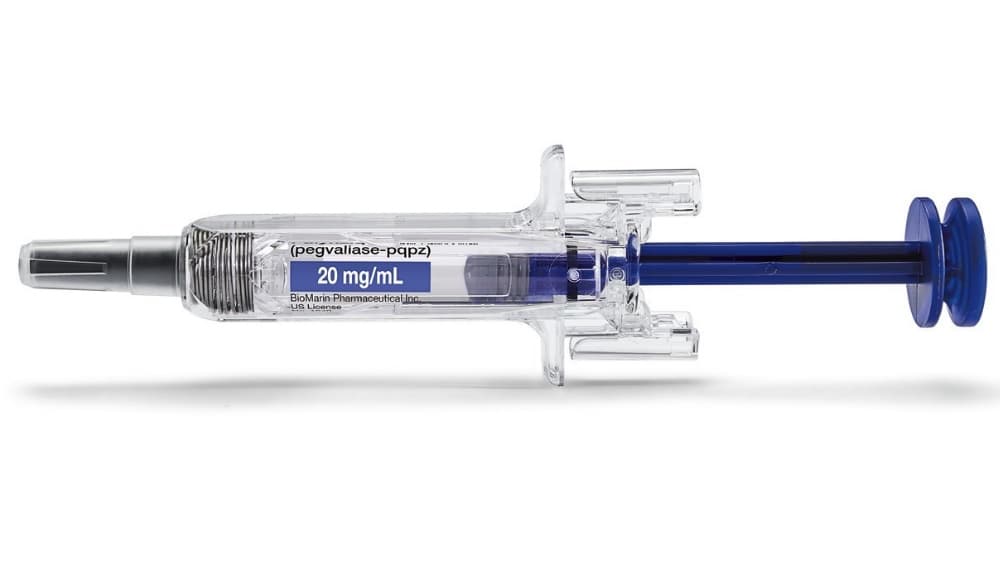
BioMarin Pharmaceutical said the Food and Drug Administration approved a supplemental biologics license application for PALYNZIQ® (pegvaliase-pqpz), extending the label to adolescents 12 years of age and older with phenylketonuria, a rare metabolic disorder that can cause neurocognitive harm when blood phenylalanine levels climb. The company announced the approval Feb. 27, 2026 in a press release from its San Rafael, California headquarters.
The approval positions PALYNZIQ as, in BioMarin’s words, the only enzyme substitution therapy approved to reduce blood phenylalanine concentrations in people with PKU. BioMarin said the expansion follows pivotal adolescent data from the PEGASUS Phase 3 program and that the company intends to seek a similar label extension from the European Medicines Agency.
The PEGASUS adolescent study, as reported by Pharmacally, was a multi-center, open-label Phase 3 trial that randomized adolescents aged 12 to 17 with uncontrolled blood phenylalanine greater than 600 µmol/L to receive PALYNZIQ or diet alone. At Week 72 the PALYNZIQ arm had a mean baseline blood phenylalanine of 1,025 µmol/L and experienced a mean reduction of 473 µmol/L, compared with a 19 µmol/L reduction in the diet arm, yielding a treatment difference of −409 µmol/L (95% confidence interval −579 to −240), according to the Pharmacally report of the PEGASUS results.
Clinicians and company leaders framed the approval as particularly consequential because adolescence is a vulnerable period for adherence to the strict dietary management PKU traditionally requires. In ThePharmaLetter, Dr Stephanie Sacharow, director of the Dr Harvey Levy Program for PKU and Related Conditions at Boston Children’s Hospital, said: “Adolescence is a period of increasing independence and academic demands, and represents a particularly challenging time for individuals with PKU. The ultra-restrictive diet required for PKU management may become unsustainable, and poor blood Phe control leads to adverse neurocognitive outcomes. Palynziq is the only genotype-independent medication which may bring Phe into the normal range while allowing an unrestricted diet,” said Dr Stephanie Sacharow, director, Dr Harvey Levy Program for PKU and Related Conditions, Boston Children’s Hospital. “In my clinic we have found that Palynziq treatment adherence is even more successful in teens under age 18, while they are living at home with family support, and this approval allows us to extend this therapeutic option to adolescents who may [...] us to extend this therapeutic option to adolescents who may benefit most,” she noted.

BioMarin’s research leadership highlighted the company’s aim to broaden treatment access. Greg Friberg, executive vice president and chief research and development officer at BioMarin, said: “We are proud to build on this legacy by expanding PALYNZIQ’s approval to adolescents as young as age 12, which will allow even more people with PKU the prospect of achieving substantially lower Phe levels.”
Public health experts note that expanding an approved therapy to younger patients can reduce long-term cognitive and social harms if it reaches those most in need. For families and school-aged teens, a medication that lowers phenylalanine while permitting a less-restrictive diet could relieve daily burdens and improve educational and developmental outcomes. At the same time, the company’s announcement did not include dosing, safety data or pricing and reimbursement details, and BioMarin’s release reiterated that it contains forward-looking statements about potential benefits and regulatory plans.
BioMarin said it will pursue EMA approval to extend the adolescent label in the European Union. As clinicians, payers and families digest the new U.S. authorization, policymakers and health systems will face decisions about coverage, specialty care access and supports for adolescents transitioning from pediatric care, issues that will determine whether the clinical promise of PALYNZIQ translates into equitable real-world benefit.
This article was produced by Prism’s automated news system from verified source data, official records, and press releases, then run through automated quality and moderation checks before publishing. The system is built and supervised by the people who set the standards it runs under. Read our full AI policy.
Did this article answer your question?