FDA Commissioner Marty Makary expected to resign amid mounting turmoil
Marty Makary was set to leave the FDA as pressure mounted over drug reviews, mifepristone and food policy, handing the agency to an acting chief.
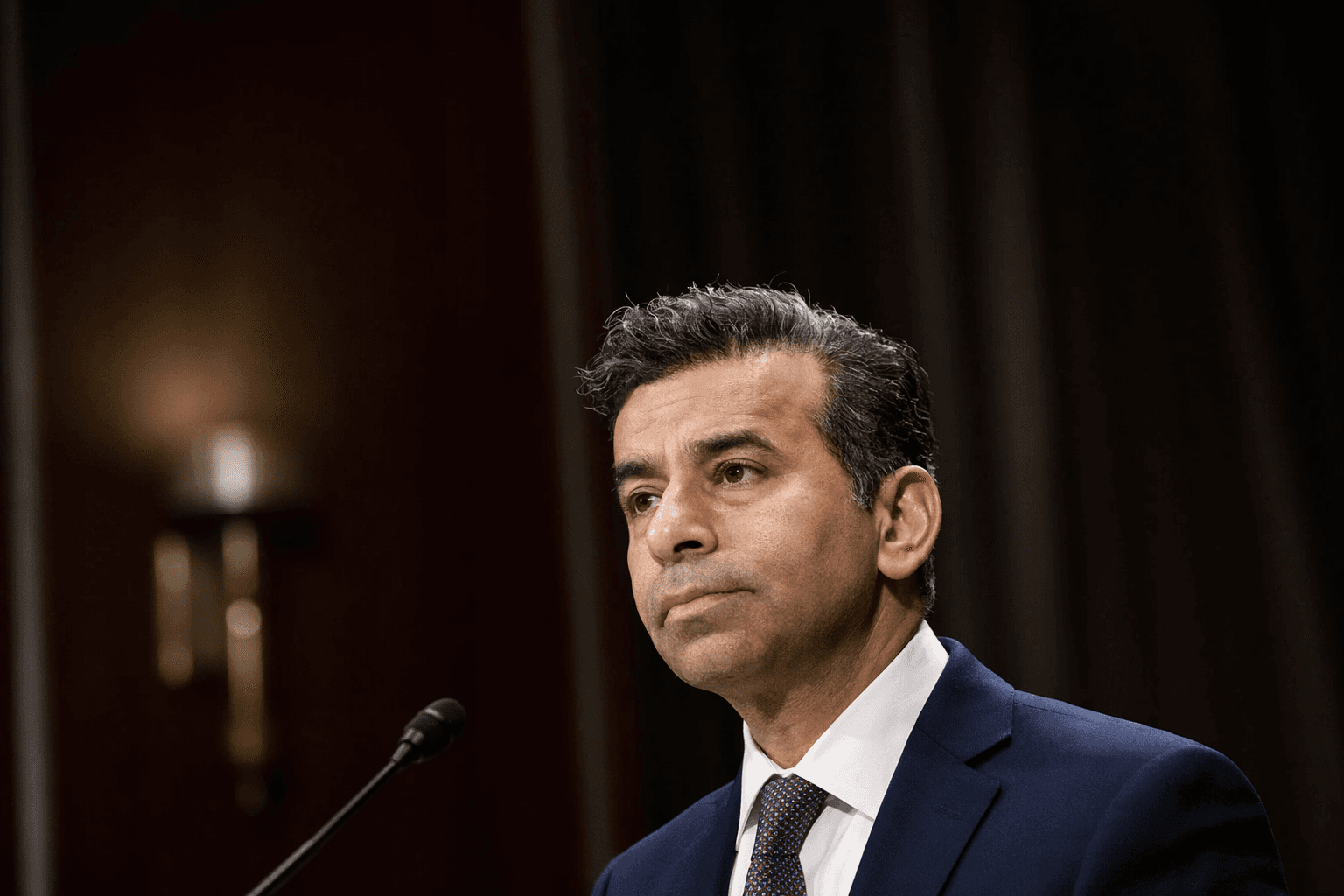
Marty Makary was expected to resign Tuesday as commissioner of the Food and Drug Administration, a move that would put Kyle Diamantas in charge in an acting capacity at a moment when the agency is already under intense strain. Makary had been scheduled to testify on Capitol Hill on Wednesday, underscoring how abruptly the leadership change was unfolding in Washington.
His departure would end a 13-month tenure at the federal health agency and add to a year of senior turnover at the FDA, where decisions on drug approvals, vaccine oversight, food safety and reproductive-health policy carry national consequences. Reuters reported that the resignation came after weeks of public speculation and a mounting pressure campaign. Earlier reports said the White House had signed off on a plan to remove him, while CBS News reported that Donald Trump had approved a plan to fire Makary, though the timing remained unclear.
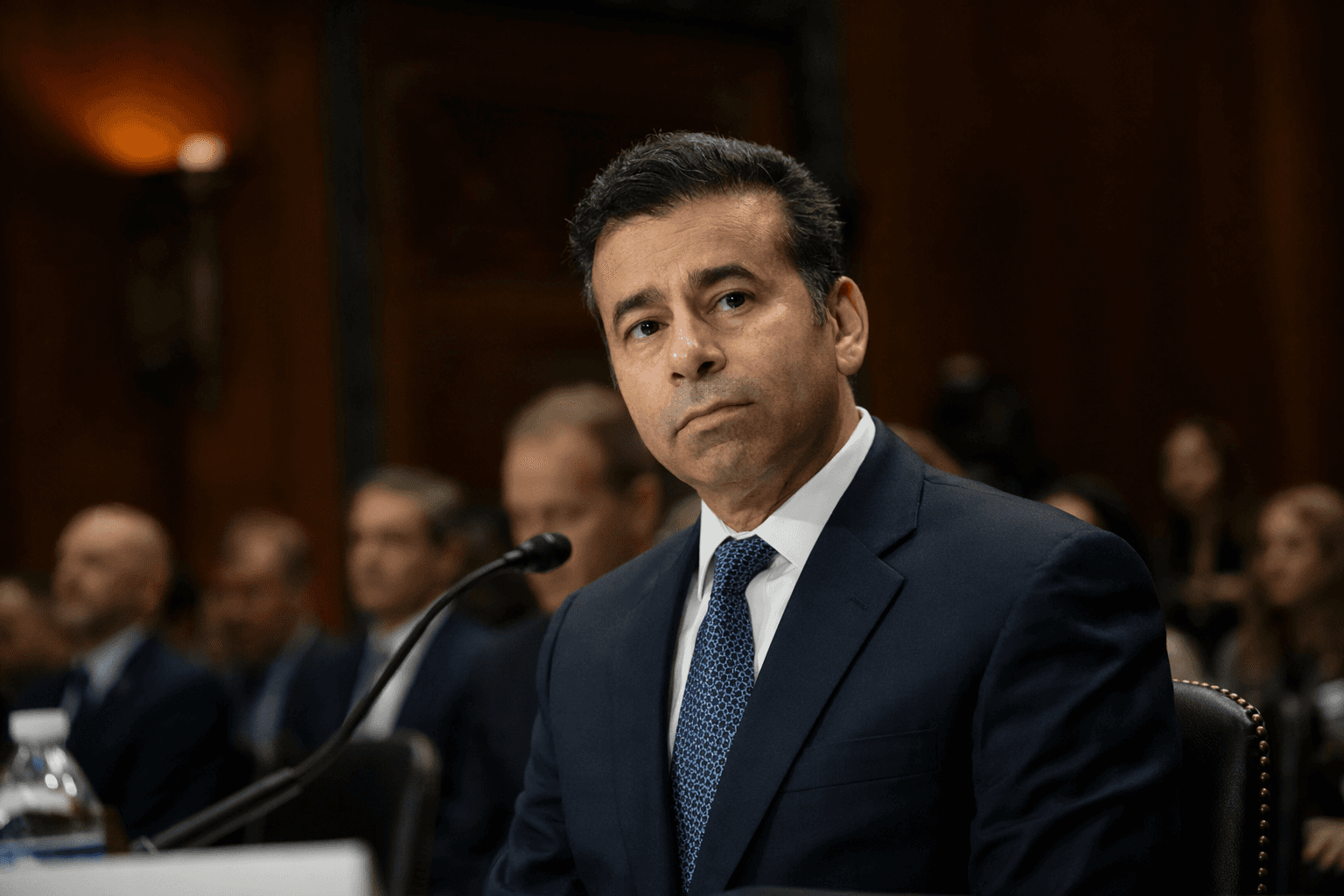
Diamantas, who previously served as the FDA’s top food official and now leads the Human Foods Program, was expected to lead the agency in an acting role. That shift matters because the FDA sits at the center of decisions that affect patients, manufacturers and public confidence in federal health regulation. A leadership change at the top can slow the pace of approvals, complicate enforcement priorities and leave industry and advocacy groups guessing about the agency’s next move.
Makary’s tenure became increasingly combustible as he alienated anti-abortion activists, opponents of vaping regulation and some drug manufacturers, according to Politico. Anti-abortion groups pressed the administration for more aggressive action on mifepristone, the abortion pill, and renewed calls for Makary to be fired after the FDA approved another generic form of the drug. A Senate letter from Bill Cassidy and other lawmakers also raised bipartisan concern over the approval and sought information about safety studies.
At the same time, the FDA under Makary continued pushing ahead on some high-profile drug reviews. The agency recently issued national priority vouchers to three companies developing psychedelic medications, including psilocybin programs for treatment-resistant depression and major depressive disorder, along with methylone for PTSD. That juxtaposition captured the central tension in Makary’s final stretch: even as his authority weakened, the FDA was trying to accelerate new treatments while defending some of the most politically sensitive decisions in federal health policy.
This article was produced by Prism’s automated news system from verified source data, official records, and press releases, then run through automated quality and moderation checks before publishing. The system is built and supervised by the people who set the standards it runs under. Read our full AI policy.
Did this article answer your question?

