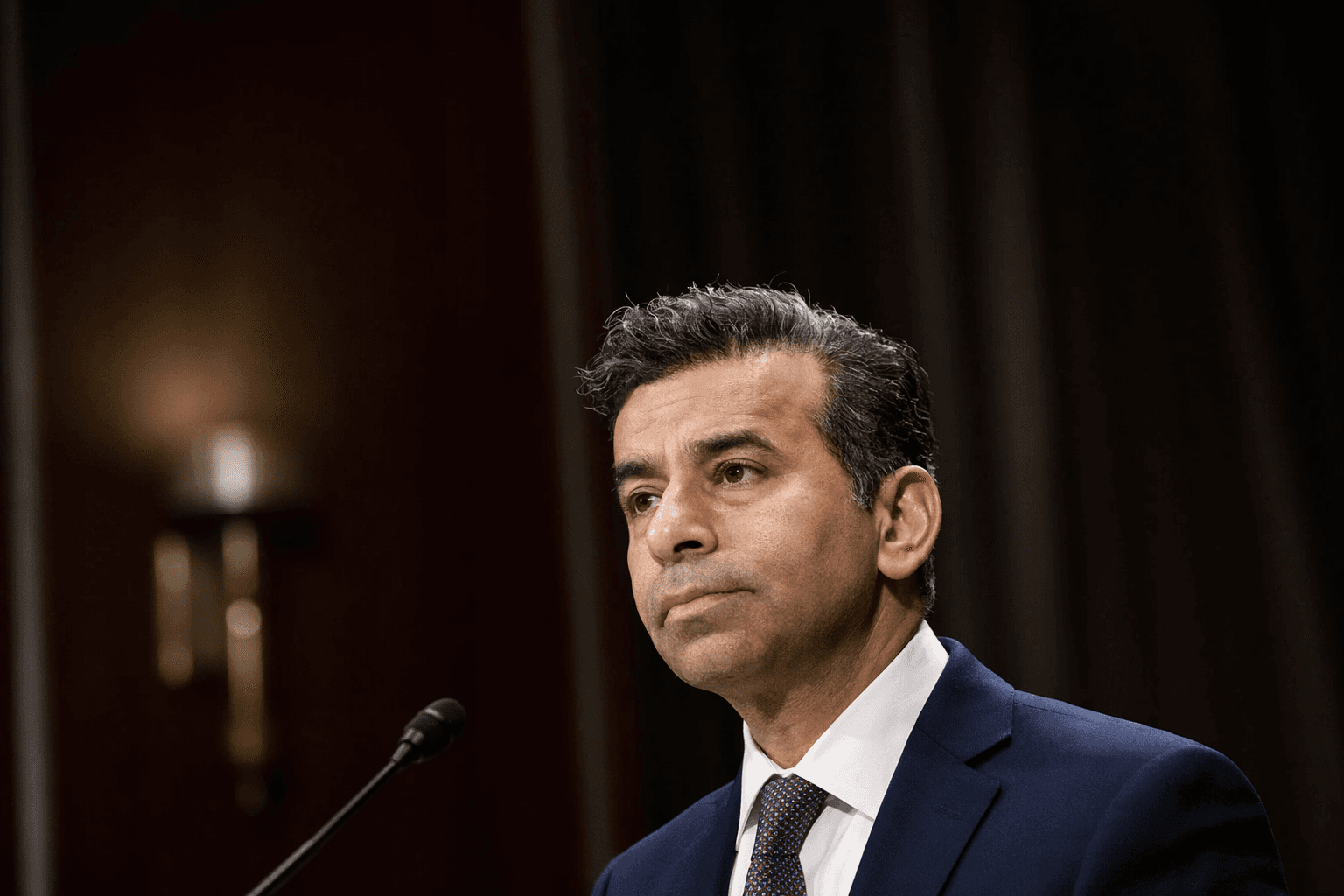
Senate confirms Kevin Warsh to 14-year Fed governor term amid independence fight
Kevin Warsh won Senate confirmation with Powell’s chair term ending Friday, sharpening the fight over rate cuts, Fed independence and White House leverage.

Kevin Warsh cleared the Senate on Tuesday for a 14-year seat on the Federal Reserve’s Board of Governors, a 51-45 vote that did more than advance one nominee. It tightened the struggle over who will steer U.S. monetary policy next, as the White House presses for faster rate cuts and the central bank braces for a leadership change with Jerome Powell’s chair term ending Friday, May 15, 2026.
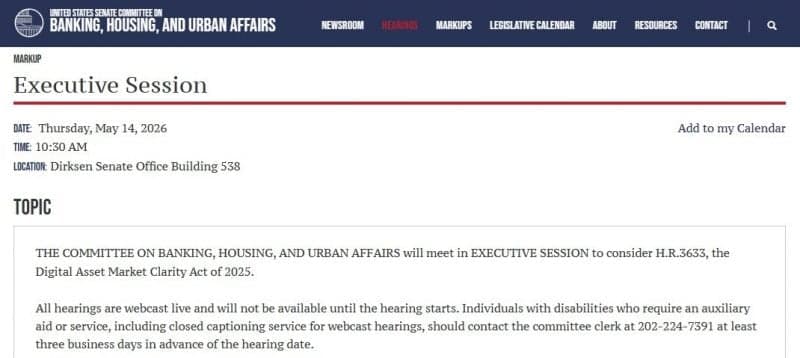
The White House had nominated Warsh both to a four-year term as Fed chair and to a separate 14-year term as a governor beginning February 1, 2026. Warsh, a lawyer, financier and former Fed governor, previously served on the board from February 24, 2006, to March 31, 2011. The Senate Banking Committee had already advanced his nomination, and the full Senate moved quickly to final approval as the administration seeks a foothold inside the institution that sets borrowing costs for the country.
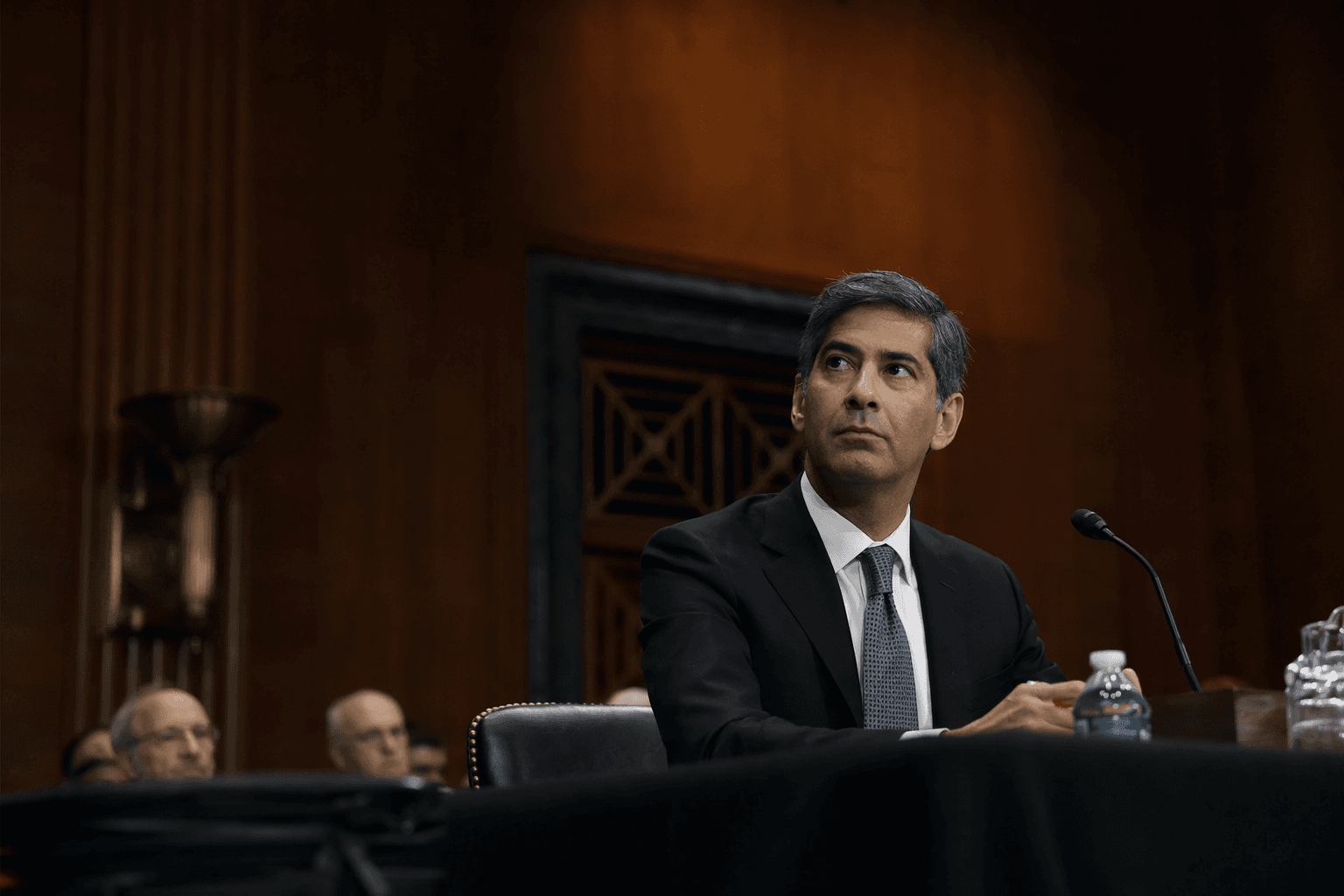
The vote landed in the middle of an unusually direct confrontation over the Fed’s independence. Donald Trump has pushed for interest-rate cuts and has already tested the institution’s boundaries, including an attempted removal of Fed Governor Lisa Cook that is now before the Supreme Court. Trump also backed a Justice Department investigation into Powell’s handling of a building renovation. A federal judge found that probe was a pretext for pressuring Powell to cut rates or resign, and although the Justice Department dropped the investigation, the lead prosecutor in Washington has said she could reopen it.
Powell has said he plans to remain on the Fed Board after stepping down as chair, a move that would prevent the administration from immediately filling that board seat with another nominee and complicate the White House’s plans for reshaping the central bank. That makes Warsh’s confirmation relevant far beyond the formal vote count. It affects who may build the next policy consensus on inflation, how aggressively the Fed resists political demands for lower rates, and how much room the president has to influence the institution from inside.
Warsh’s hearing also drew attention for the size of his financial disclosures. He submitted more than 69 pages of holdings, including large private investments, placing him among the wealthiest people ever nominated to lead the Fed and raising fresh questions about optics as the Senate moved him closer to the Fed’s top ranks. He has also argued that releasing full transcripts of Fed rate-setting meetings can weaken debate, a position that has unsettled former officials and suggested he could push to change how the central bank operates if he ultimately becomes chair.
Know something we missed? Have a correction or additional information?
Submit a Tip