FDA grants Vanda rare formal hearing to contest jet lag refusal
FDA confirmed a Part 12 evidentiary hearing to review its proposed refusal of Vanda’s HETLIOZ sNDA, a move Vanda says is the first such hearing in more than 40 years.
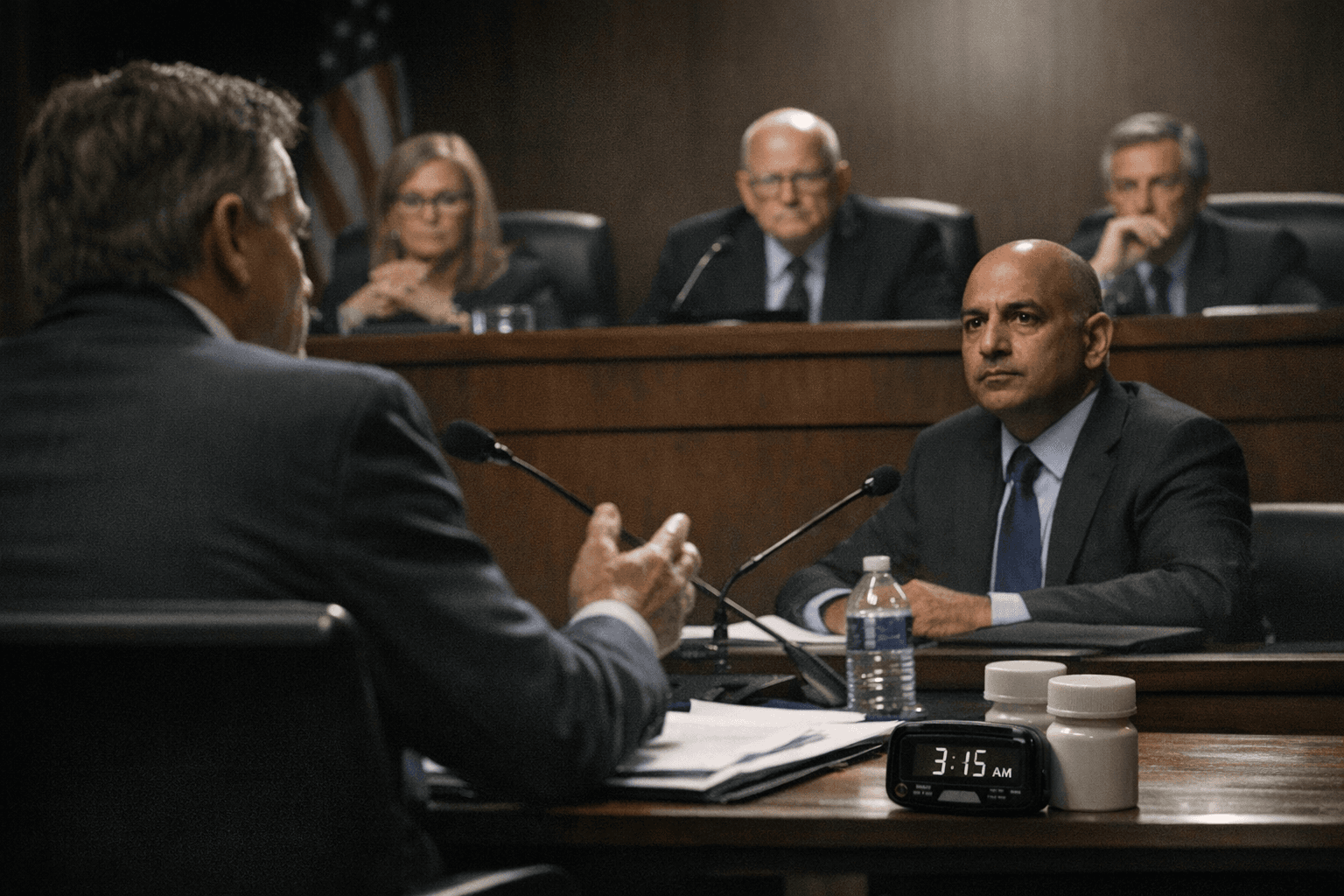
The Food and Drug Administration has granted Vanda Pharmaceuticals a formal evidentiary public hearing under 21 CFR Part 12 to review the Center for Drug Evaluation and Research’s proposed refusal to approve Vanda’s supplemental new drug application for HETLIOZ (tasimelteon) for jet lag disorder, the company said in a March 3 press release citing a March 2 letter from the Office of the Commissioner. The hearing will proceed under Part 12 and the presiding officer will issue an initial decision pursuant to 21 CFR § 12.120 after the record is closed.
Vanda’s chief executive, Mihael H. Polymeropoulos, M.D., called the decision “a procedural victory” and framed it as the product of “Vanda’s 7-year persistence in advocating for fairness and the rigorous pursuit of scientific truth on behalf of patients.” He said the hearing represents “a significant reform step by the FDA toward greater transparency, the first such formal drug approval hearing in over 40 years.”
The move is exceptional in the U.S. drug review system. Public statements from Vanda characterize a Part 12 hearing in response to a proposed refusal as “rare and highly significant,” noting that publicly available records indicate the agency has not granted such a hearing in the drug-approval context for decades. The company did not provide a hearing schedule in its announcement, and the FDA letter itself was not released in full with the press statement.
The action resolves a long and contentious regulatory history. The FDA issued a complete response letter on the jet lag indication in 2019 and, according to industry accounts, left the application pending for years as Vanda repeatedly sought hearings. Court records show litigation over the dispute: a District of Columbia docket lists Vanda Pharmaceuticals, Inc. v. FDA, No. 22-938, 2023 WL 2645714 (D.D.C. Mar. 27, 2023), with the court granting plaintiff’s motion for summary judgment and denying the agency’s motion.
Industry reporting also describes a subsequent appeals-court action that criticized the FDA’s treatment of Vanda’s clinical trial evidence as “cursory” and said the companies later agreed to a collaborative framework and an expedited re-review. Vanda’s press materials and subsequent reporting put an expedited re-review date as Jan. 7, 2026; the relationship between that timetable and the newly granted Part 12 hearing was not clarified in the materials released March 3.
The hearing could have broader regulatory and public health consequences. Formal Part 12 proceedings are structured, evidentiary hearings that could set procedural precedent for how companies challenge proposed refusals and how the agency documents scientific reasoning in label-expansion disputes. Advocates for patients with sleep and circadian disorders argue that clearer, transparent decision making matters for clinicians and for workers, such as shift workers and frequent travelers, who rely on approved treatments for circadian regulation; Vanda framed its campaign as patient-centered in its statement.
Vanda is simultaneously advancing other programs. The company said its biologics license application for imsidolimab, a monoclonal antibody targeting the IL-36 receptor for generalized pustular psoriasis, was accepted with a target action date of December 12 and celebrated the filing during Rare Disease Week. “The acceptance of the BLA filing for imsidolimab marks a critical milestone in our efforts to bring this innovative therapy to patients suffering from GPP,” Polymeropoulos said in company comments.
Next steps include scheduling and public notice of the Part 12 hearing, and release of the FDA letter and the agency’s proposed grounds for refusal so that clinicians, patient groups, and policymakers can assess the scientific and public health implications. Vanda said the presiding officer’s initial decision will follow the hearing record.
This article was produced by Prism’s automated news system from verified source data, official records, and press releases, then run through automated quality and moderation checks before publishing. The system is built and supervised by the people who set the standards it runs under. Read our full AI policy.
Did this article answer your question?