FDA Safety Review of Infant RSV Shots Raises Access and Confidence Concerns
The FDA opened a safety review of two infant RSV shots with no reported safety problems — a move experts warn could hospitalize more babies by eroding access and trust.
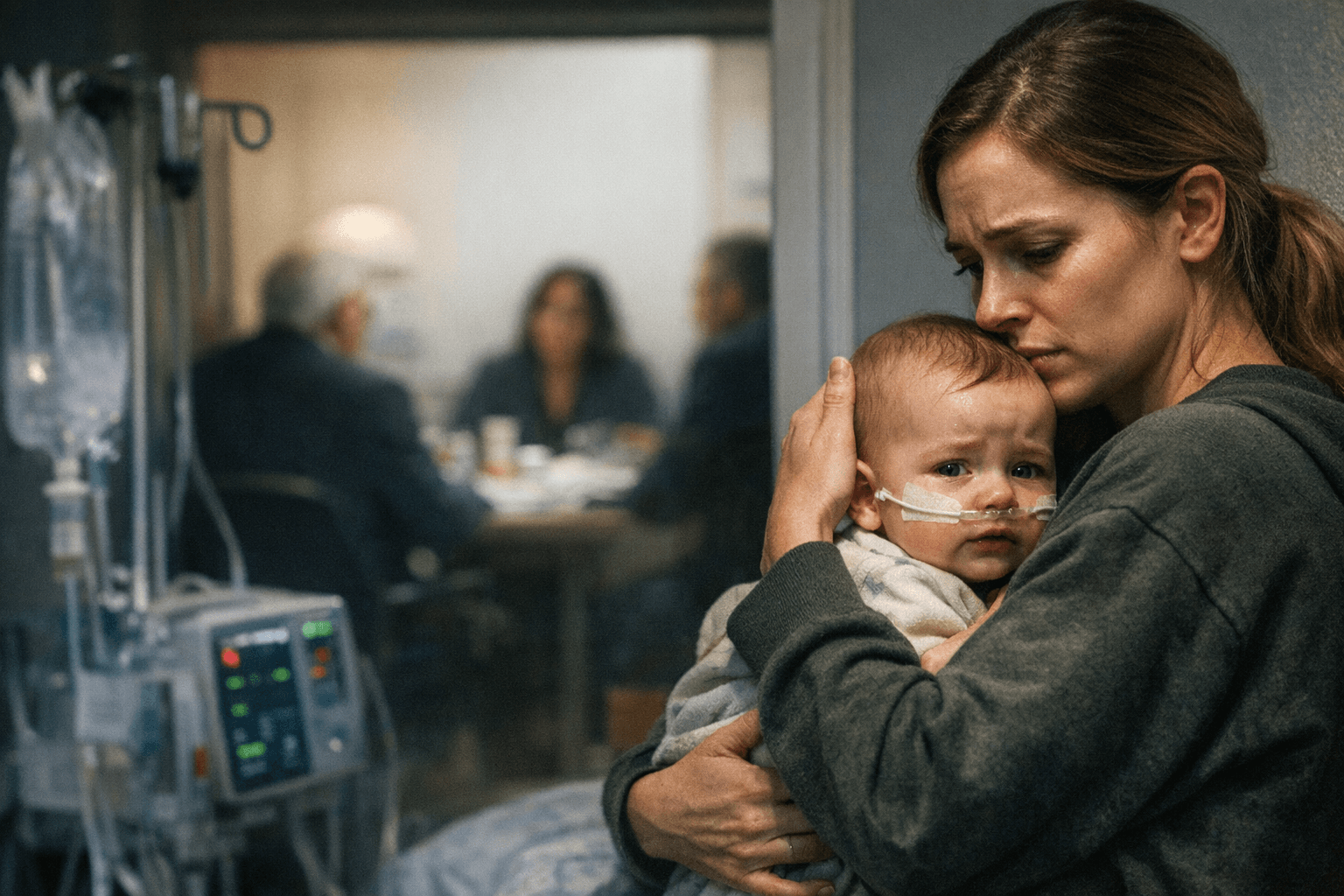
More than half of U.S. infants have gotten one of the RSV antibody shots, making the FDA's decision to put them under fresh scrutiny all the more alarming to pediatric specialists. Federal regulators began a safety review of two RSV medicines used to protect infants, even though no safety problems had been reported. The review covers Beyfortus, from Sanofi and AstraZeneca, and Enflonsia, from Merck, both monoclonal antibodies that help shield babies from respiratory syncytial virus.
Both drugs are monoclonal antibodies. They act similarly to vaccines, but instead of prompting the immune system to make antibodies, they deliver antibodies directly into the body in a process known as passive immunization. The shots are about 80% effective at preventing babies from ending up in intensive care because of RSV, according to the CDC. A survey of studies published in the New England Journal of Medicine in October found that two or three out of every 100 infants under 6 months old are hospitalized with RSV annually, and that babies given the antibody shots were 79% to 83% less likely to be hospitalized. Maternal RSV vaccination, by comparison, reduced newborn hospitalization by 55% to 68% in the first six months of life.
U.S. health regulators informed senior executives at Merck, Sanofi and AstraZeneca that their approved protective RSV treatments for infants would face fresh safety scrutiny following concerns raised by vaccine skeptics, multiple sources familiar with the situation told Reuters. FDA officials held a brief call with executives from the three drugmakers to tell them to expect further safety questions from the commissioner's office. No specific requests for data were made during that call. Some of the renewed attention appears to stem from critiques circulated by individuals outside conventional academic and regulatory circles. Reuters noted that a blog post by Australian journalist Maryanne Demasi suggested that RSV antibodies might increase seizure risk.
HHS spokesperson Andrew Nixon characterized the inquiry differently. Nixon said in an emailed statement that the FDA is "rigorously reviewing the available data, as it does for all products, to ensure decisions remain rooted in evidence-based science and in the best interest of patients," adding that the FDA "routinely evaluates emerging safety information and will update product labeling if warranted by the totality of the evidence." It remains unclear whether the FDA's review will lead to new warnings or restrictions.
Both manufacturers pushed back firmly. A Sanofi spokesperson said the company had not seen any new safety signals across more than 50 studies, and stated: "At this time, no safety issue has been identified from clinical studies of Beyfortus or from post-marketing experience with more than 6 million babies immunized worldwide." Merck, whose representatives met with FDA officials, said: "We expect questions from the FDA, and we want them to ask. We believe deeply in the importance of transparency and we value the FDA's rigorous review of our clinical data of all of our products." A Merck spokesperson also told NBC News that the bar for establishing the safety of preventive therapies like Enflonsia "is exceptionally, and appropriately, high."
Pediatric specialists were unsparing in their assessment of the review's real-world consequences. Dr. Sean O'Leary, of the American Academy of Pediatrics, said: "I certainly hope nothing regulatory comes of this, because there's no basis for it. But even if it doesn't, this systematic attempt to dismantle our immunization infrastructure is causing real harm in real time, in creating confusion among parents and even among clinicians." O'Leary warned that limiting access to RSV protection would "inevitably lead to fewer children receiving the monoclonal antibody and more kids getting hospitalized."
Many public health experts worry the FDA's safety review could lead to restrictions that make it harder for babies to get the shots and discourage doctors or parents from protecting babies from RSV. Dr. Paula Annunziata, senior vice president for infectious diseases and vaccines at Merck, said: "I think it would be such a terrible shame if infants in the United States no longer had protection from RSV. I think that would be horrible."
The long-acting drugs from Merck and Sanofi are not vaccines, but the government review comes as health officials and advisers under Health Secretary Robert F. Kennedy Jr. roll back recommendations on routine childhood vaccinations. Beyfortus has been on the U.S. market since July 2023. Merck confirmed that it met with the FDA last week concerning the safety of its shot Enflonsia, which the agency endorsed in June. The FDA's renewed scrutiny of both products follows a panel's push to end routine newborn hepatitis B vaccination, a move that triggered swift backlash from medical and scientific societies. A federal judge in Boston blocked, at least temporarily, Kennedy's cut to federally backed childhood vaccines, along with Kennedy's other controversial new vaccine policies. As a result, uncertainty about the Trump administration's already tumultuous federal vaccine policies has only intensified, as questions swirl about how the administration will respond to the legal setback.
The CDC recommends Beyfortus or Enflonsia for babies younger than 8 months entering their first RSV season. For high-risk older infants, only Beyfortus is recommended. Both products remain on the CDC's childhood immunization schedule for now, but the FDA has not provided a timeline for next steps, leaving clinicians and parents navigating a landscape of deliberate uncertainty.
Know something we missed? Have a correction or additional information?
Submit a Tip