FDA's CBER chief Vinay Prasad to leave agency end of April
Dr. Vinay Prasad will depart the FDA’s Center for Biologics Evaluation and Research at the end of April, marking his second exit amid disputes over vaccines and gene therapies.
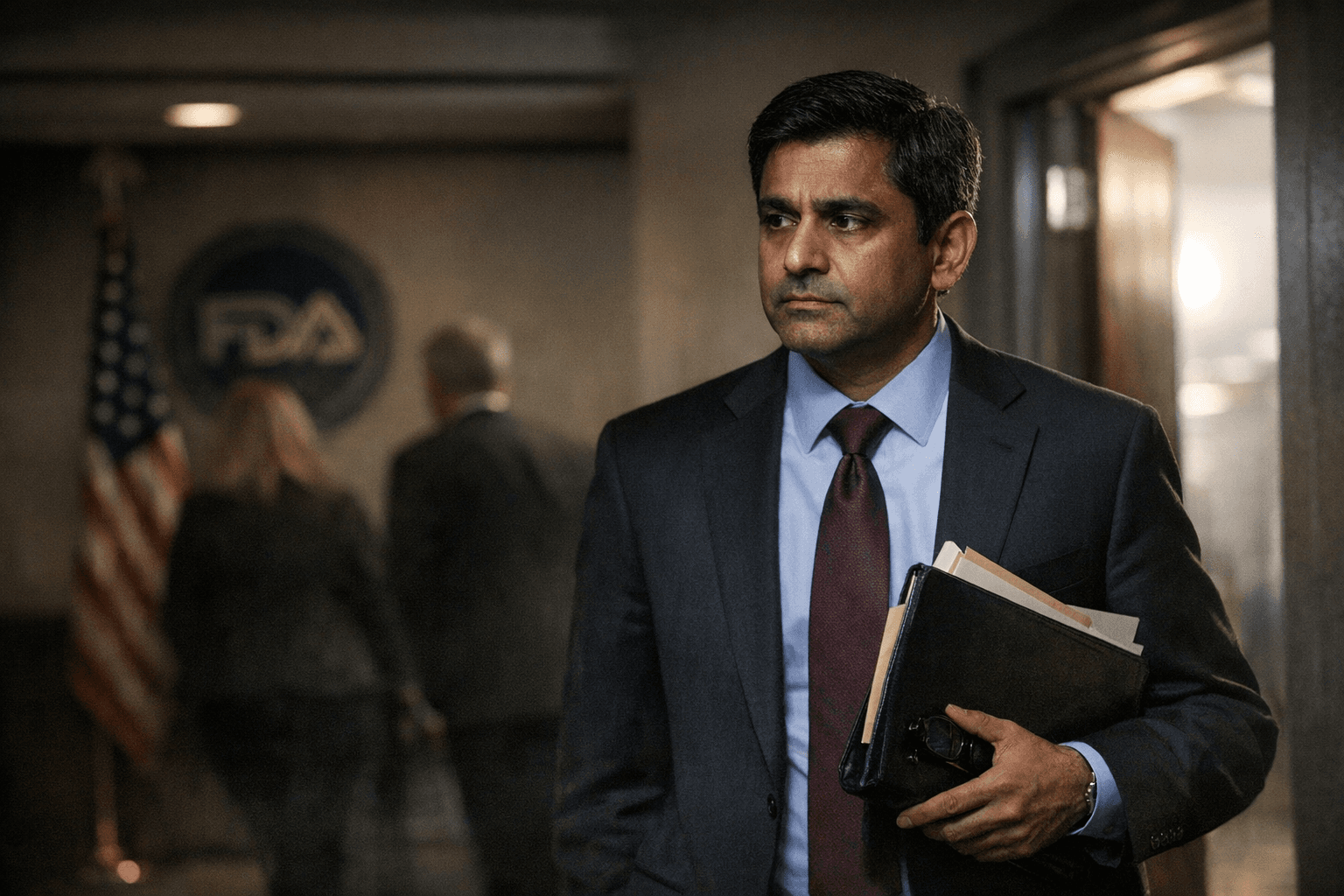
Dr. Vinay Prasad, director of the Food and Drug Administration’s Center for Biologics Evaluation and Research, will leave the agency at the end of April, an agency spokesperson confirmed Friday. The departure, announced by FDA leadership, comes after a turbulent year in which Prasad’s policy moves on Covid boosters, a Moderna mRNA flu vaccine filing and rare disease gene therapies drew sustained pushback.
Prasad’s term, begun as a one-year sabbatical from his faculty post in epidemiology and biostatistics at the University of California, San Francisco, saw the agency tighten the pool for some Covid booster authorizations to adults 65 and older and people at high risk of severe illness. CBER officials last month declined to review a Moderna mRNA flu vaccine application as originally filed; Moderna later re-submitted the request with different age parameters and the agency agreed to take another look, agency statements show.
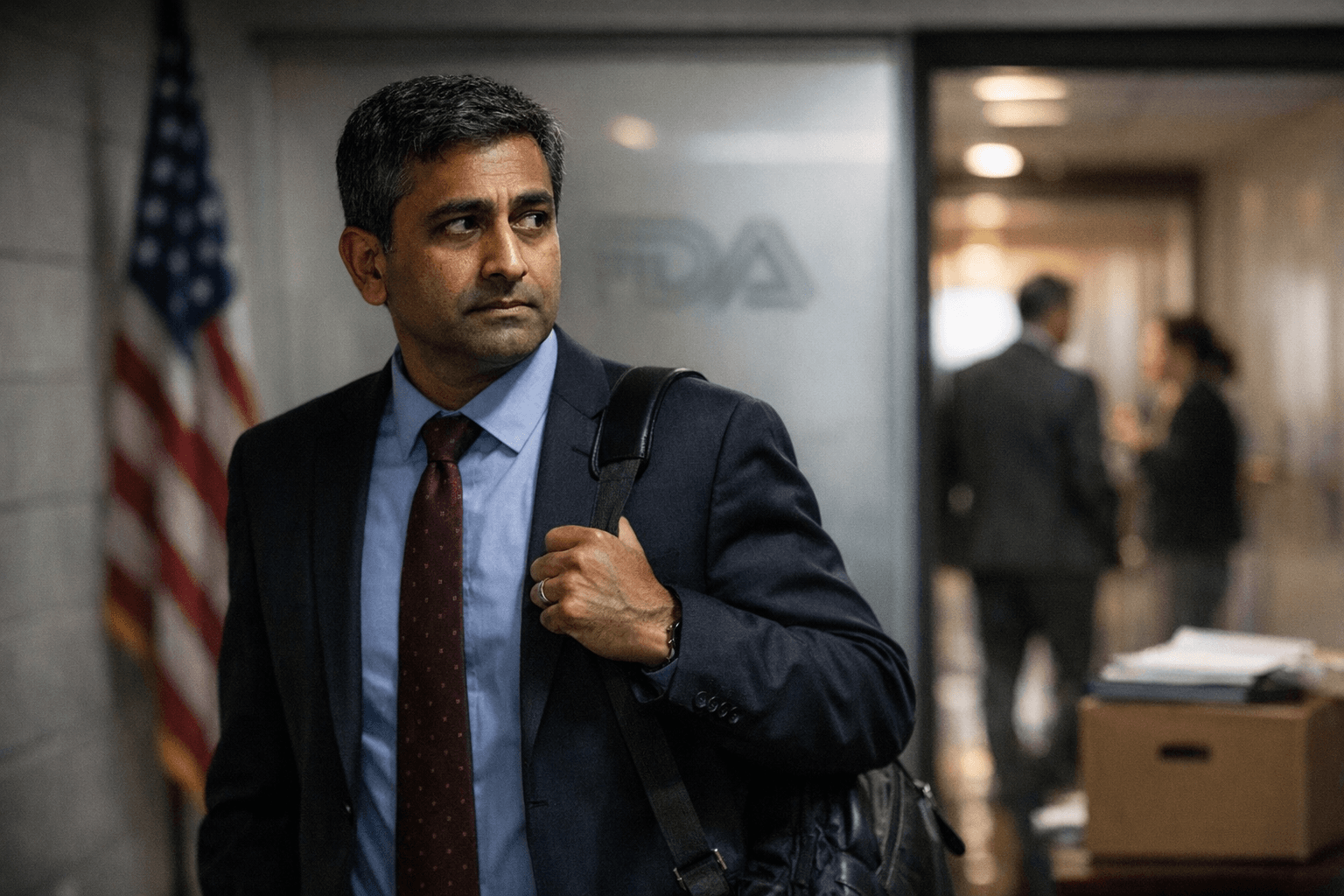
The exit is being described inside and outside Washington as the second public departure for Prasad in less than a year. His first exit followed a high-stakes regulatory dispute over Sarepta Therapeutics’ Duchenne muscular dystrophy gene therapy Elevidys, a conflict that fractured relations with rare disease advocacy groups. That earlier dispute included intense lobbying by patient groups and political pressure, and Prasad subsequently returned to CBER at the invitation of FDA Commissioner Marty Makary and HHS Secretary Robert F. Kennedy Jr, according to agency accounts.
FDA Commissioner Marty Makary posted on X describing some of the initiatives he said Prasad came to implement: "Dr. Prasad came to the FDA to implement 4 major long-lasting reforms: 2-to-1 pivotal trial requirement, national priority reviews, a risk-stratified covid vaccine framework, & the new plausible mechanism framework for ultra rare diseases which we launched last week." Makary added, "He got a tremendous amount accomplished within his one-year sabbatical from UCSF and will be returning back to his academic home later next month. We will name a successor before his departure." In a separate post Makary thanked Prasad personally, saying, "I want to thank him for his service and personal sacrifice to take time away from his family."
Prasad’s tenure also included vocal skepticism of some public health mandates during the pandemic and questions about the evidence base for broad booster authorizations, positions that sharpened divisions with industry executives, patient groups and some public health advocates. Those clashes contributed to an atmosphere of regulatory uncertainty around vaccine rules and gene-therapy approvals.
An FDA spokesperson said a search is underway for a successor. Agency officials did not expand on the reasons for Prasad’s second departure beyond the announced end-of-April timeline, and the spokesman declined to offer additional comment.
Prasad is expected to return to an academic role at UCSF after leaving the agency. His exit arrives amid broader turnover in federal health leadership: recent months have seen rapid changes at the Centers for Disease Control and Prevention and other agencies, a shift that has intensified scrutiny of the government’s regulatory priorities and the future direction of vaccine and biologics policy.
The departure removes a polarizing figure from one of the government’s most influential public health offices and leaves unresolved questions about how the FDA will balance demands for rapid access to novel therapies with the agency’s standards for safety and efficacy as it names new leadership at CBER.
This article was produced by Prism’s automated news system from verified source data, official records, and press releases, then run through automated quality and moderation checks before publishing. The system is built and supervised by the people who set the standards it runs under. Read our full AI policy.
Did this article answer your question?