Feb 9, 2026 Auction of 226 Vintage Jewelry Lots Yields Partial Results
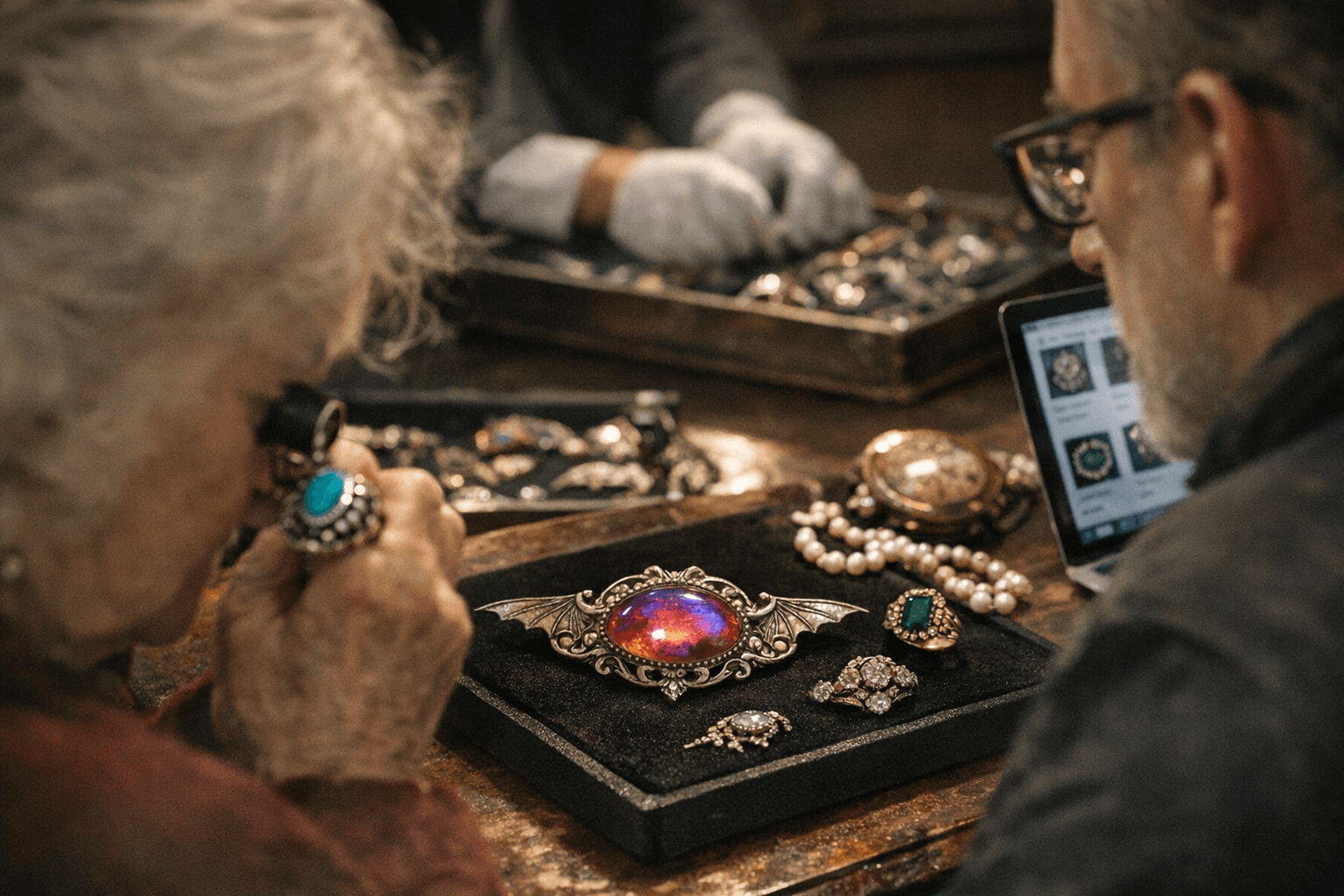
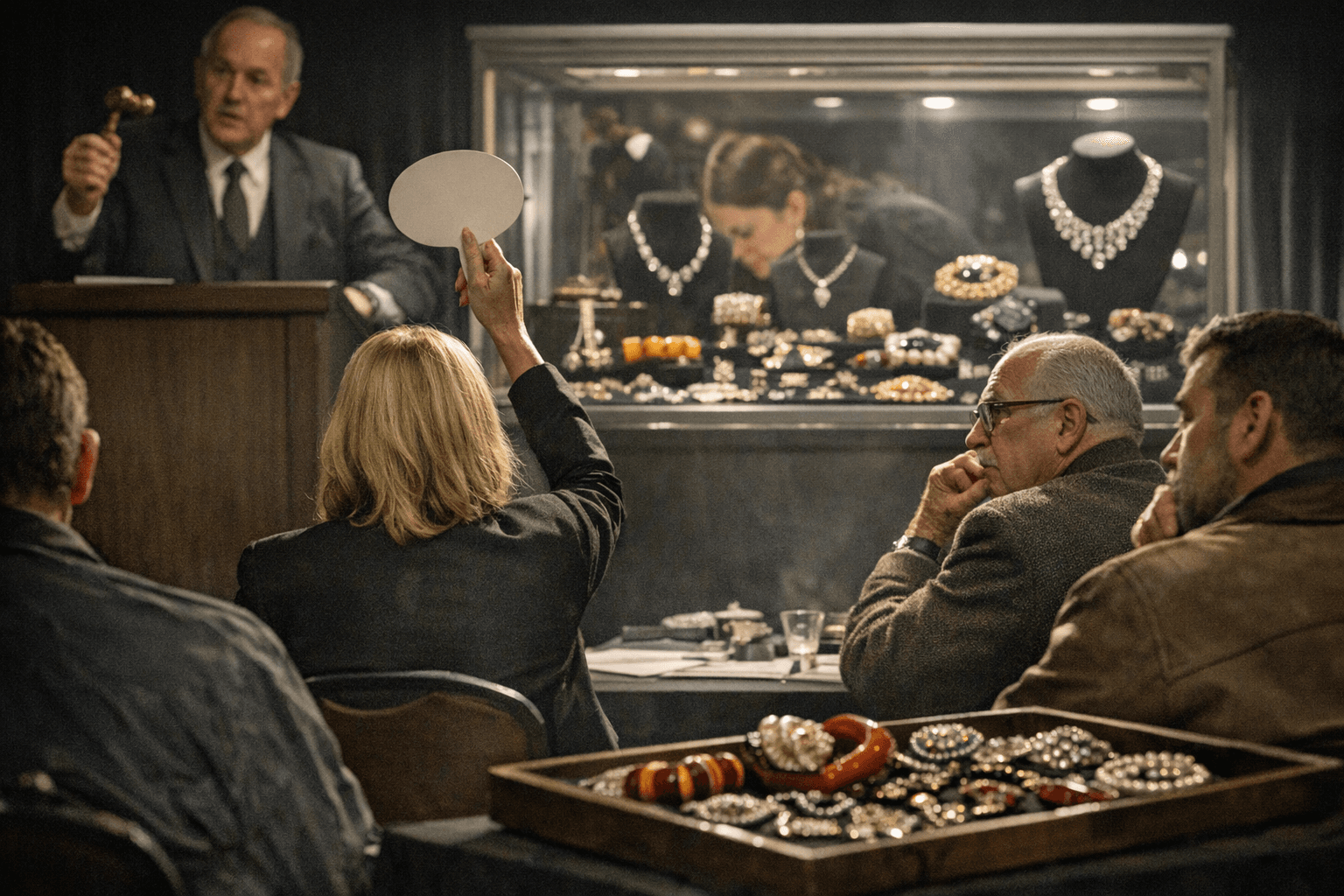
A 226-lot sale focused on Victorian pieces, Bakelite, and mid-century dress jewelry closed Feb 9, 2026, but the published results stop mid-sentence: “achieving realized prices abo”.
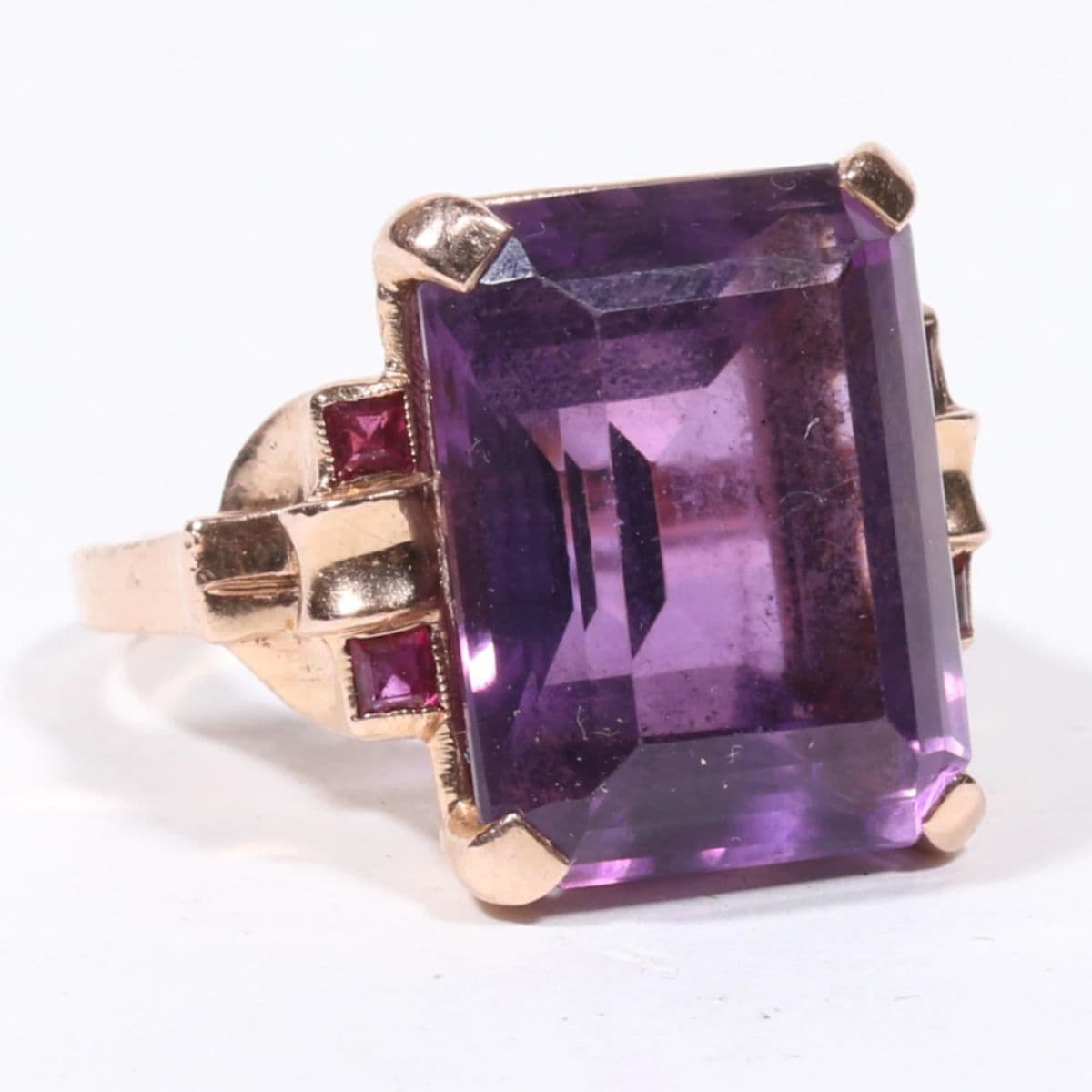
A 226-lot auction that emphasized Victorian jewelry, Bakelite, and mid-century dress jewelry closed Feb 9, 2026, yet the published sale results are incomplete — “The published sale results show smaller estate and vintage lots achieving realized prices abo”. That fragment is the only line of realized-prices commentary supplied, and no lot-level hammer prices, buyer’s premium, auction house name, or gross totals accompany the catalog statement.
Key identifiers that collectors and dealers rely on are absent. The record contains the catalog size and the sale date, but explicit details missing from the material provided include the auctioneer name, the sale location or whether the event was online-only, individual lot numbers and descriptions, lot-by-lot realized prices, and any clearance-rate or unsold-lot counts.
Market context drawn from active trade listings underscores why those missing figures matter. Early-plastics and Bakelite pieces are circulating with period attributions and stylistic labels on specialist sites: Trocadero lists items such as “Superb ART DECO CARVED BAKELITE CHROME PIN c1920s-30s,” “BAKELITE HAND CARVED & LATHE TURNED NECKLACE c1930s,” and “Creamy Faux Ivory Bamboo Form Carved Bakelite Bangle.” Ebay titles show similar demand language and period detail with entries like “Butterscotch Bakelite and Rhinestones Open Cuff Bracelet and Screw Back Earrings - Image 1 of 4” and “Antique Art Deco Bakelite Slices 57” Station Necklace Marbled Orange Green Gold - Image 1 of 4.”
Dealer taxonomy reinforces the auction’s stated focus. Antiquingonline’s site header and category list present a broad vintage inventory under the heading “ANTIQUE JEWELRY CATALOGUE ================ NEWLY ADDED ITEMS 1920 to 1930's Vintage Jewelry … Bakelite & Plastic Jewelry …” and the descriptor “jewelry, vintage costume jewelry, Victorian jewelry, antique, designer, estate jewelry and accessories, in an on-line shopping cart environment.” Those category conventions are how consignors and buyers are currently framing similar material in the secondary market.
Longstanding specialist dealers remain a reference point for condition and provenance language. Morning Glory Antiques & Jewelry and the Antique Connection cite a business history—“In business since 1994 and on the internet since 1996 John E. and Jane Haley Clarke Copyright 1994-2025 All rights Reserved”—and state they buy and sell “rhinestone, costume, designer, bakelite, and antique Georgian and Victorian jewelry.” Morning Glory also offers direct contact for new-item alerts at jane@morninggloryantiques.com and specifies that “All jewelry is in good vintage condition unless specified otherwise.”
Commercial promotion mirrors collecting demand: an Instagram line in the materials invites audiences to “Indulge in a large curated selection of vintage and designer pieces, luxury gold and silver as well as timeless Bakelite and Early Plastics.” For the market to interpret the Feb 9 sale’s significance beyond theme and lot count, the next step is the missing numeric record — complete published sale results, the auction house identity, and high-lot specifics. Without those figures, the sale remains a cataloged event in the Bakelite and Victorian secondary market, but its price signal and impact on mid-century costume jewelry valuation cannot yet be measured.
Know something we missed? Have a correction or additional information?
Submit a Tip