Jose Farinango Muenala Sentenced for Selling Millions in Fake Native American Jewelry
Jose Farinango Muenala, 47, pleaded guilty Jan. 28, 2026 after investigators say he made 40,905 sales and grossed more than $2.68M selling Philippine-made jewelry as Pueblo-made.

The U.S. Attorney’s Office for the Western District of Wisconsin said Jose Farinango Muenala, 47, of Casselberry, Florida, pleaded guilty on Jan. 28, 2026 to misrepresenting Indian-produced goods under the Indian Arts and Crafts Act and was sentenced by U.S. District Judge William M. Conley to three years of probation and a $25,000 fine. Prosecutors and the court found the misrepresentations were deliberate and long-running.
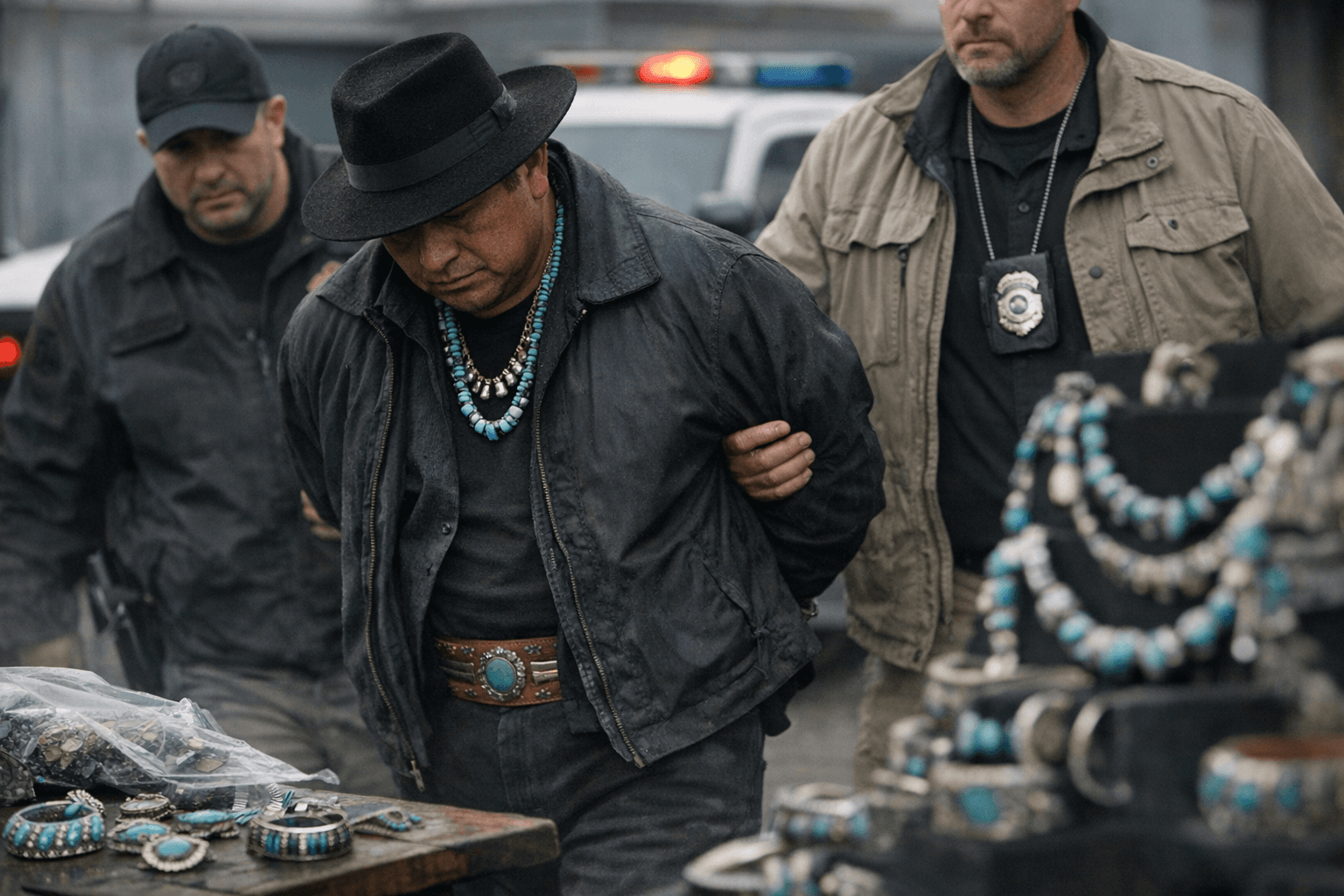
Investigators tied the Southwest Expressions business to 40,905 individual sales and gross receipts exceeding $2.68 million, with one outlet reporting the total as over $2,686,000. The U.S. Attorney’s Office reported that Muenala applied online to numerous arts shows between Dec. 3, 2015 and Jan. 17, 2024 claiming the pieces were authentic and handmade. Prosecutors say the goods were mass-produced and imported from the Philippines, not created by Pueblo artisans as he claimed.
The indictment unsealed July 19, 2024 originally charged wire fraud, mail fraud, and misrepresenting Indian-produced goods, and earlier reporting noted potential maximum penalties up to 20 years on the fraud counts. The final plea disposed of the case on the misrepresentation charge; court filings and the DOJ press material show the plea was entered Jan. 28, 2026 and the sentence was imposed by Judge Conley following that plea. Local reporting and vendor records link Muenala to dozens of art shows dating back to 2012, including the 2023 Loon Day Festival in Mercer, Wisconsin, and sales at the Ann Arbor Art Fair.
The Indian Arts and Crafts Board said complaints about Southwest Expressions began in 2023, prompting an investigation that involved the U.S. Fish and Wildlife Service Office of Law Enforcement. IACB Director Meridith Stanton said, “The defendant in this case falsely claimed to be a third-generation jewelry maker from the Taos Pueblo in New Mexico while he sold imported Philippines jewelry as authentic Indian made across several states.” Assistant Director Edward Grace added that federal partners remain committed to safeguarding traditional creators.
Members of the Native arts community voiced the harm of the scheme. Oneida Nation beadwork artist Karen Ann Hoffman said, “This kind of thing does incredible harm. I’m glad to see every effort made to protect and preserve our authentic Native art and artists.” Judge Conley underscored that Muenala profited for years by regularly and intentionally misrepresenting his merchandise and noted the statute’s purpose in protecting Native American heritage.
Federal officials framed the case within a broader enforcement effort against counterfeit Native art; recent comparative prosecutions cited in court materials include separate sentences for actors who sold Philippines-made products as Alaska Native or exploited Hopi designs. The Indian Arts and Crafts Board stressed the statute’s aim, noting that “The Act is intended to rid the Indian arts and crafts marketplace of fakes to protect economic livelihoods and cultural heritage of Indian artists, craftspeople and their tribes, as well as the buying public.”
Know something we missed? Have a correction or additional information?
Submit a Tip