Federal funding ends for fentanyl test strips, alarming harm-reduction groups
Federal support is being pulled from $1 fentanyl test strips just as overdose deaths keep falling, alarming harm-reduction groups and local responders.
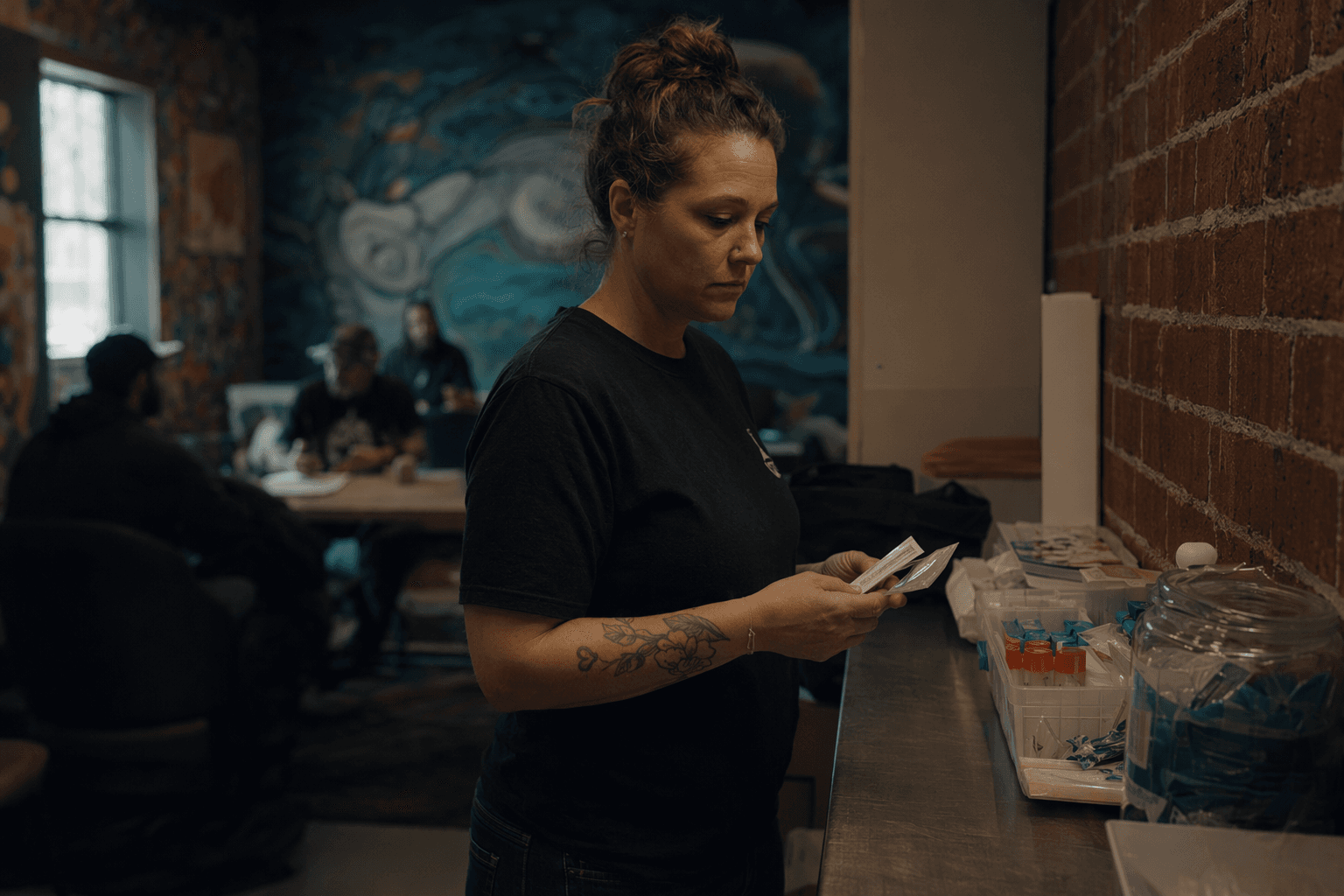
A $1 strip that can warn people about fentanyl, xylazine and other contaminants is losing federal support just as overdose deaths are falling nationwide. The shift has put the Substance Abuse and Mental Health Services Administration at odds with decades of harm-reduction practice and raised fresh questions about why Washington is squeezing one of the cheapest overdose-prevention tools in the middle of an opioid crisis.
The Centers for Disease Control and Prevention describes fentanyl test strips as a low-cost harm-reduction strategy that can detect fentanyl in cocaine, methamphetamine, heroin, pills, powder and injectables. Public-health officials say the strips can change behavior after a positive result, giving people a chance to use less, avoid using alone or seek help before a fatal exposure. At about $1 apiece, they are far cheaper than an emergency-room visit or an overdose death.
That federal posture has changed quickly. On January 31, 2024, SAMHSA said federal funding could be used in certain grant programs to buy and distribute rapid fentanyl test strips and xylazine test strips. On April 24, 2026, the agency issued updated funding guidance saying its rules had shifted away from harm reduction and listing supplies and services that could no longer be supported with SAMHSA funds. Reporting on April 30 said the federal government would no longer pay for fentanyl test strips intended for people who use drugs, while still allowing them in professional settings for public-health workers, law enforcement and medical staff.
The timing matters. CDC said on February 25, 2025 that drug overdose deaths fell nearly 24% in the 12 months ending September 2024, to about 87,000. Later provisional CDC data projected 70,231 overdose deaths for the 12 months ending November 2025, a 15.9% decline from the previous year. Harm-reduction groups argue those gains make access to testing more, not less, important, especially as fentanyl and fentanyl analogs remain present across the illicit drug supply and adulterants such as xylazine and medetomidine continue to spread.
The policy also lands in a legal patchwork. Public-health summaries say fentanyl test strips are not treated as drug paraphernalia in 45 states and Washington, D.C., though some states still restrict them. Xylazine strips face even more limits. With SAMHSA now narrowing what its funds can support, advocates say the federal government is asking local programs to stretch fewer dollars while trying to reduce deaths that are still measured in the tens of thousands.
This article was produced by Prism’s automated news system from verified source data, official records, and press releases, then run through automated quality and moderation checks before publishing. The system is built and supervised by the people who set the standards it runs under. Read our full AI policy.
Did this article answer your question?