Rats and parasites spread through Gaza tent camps, biting children and worsening crisis
Rats bite sleeping children in Gaza's tent camps, where one bride's trousseau was shredded and disease risks are rising as sanitation systems collapse.
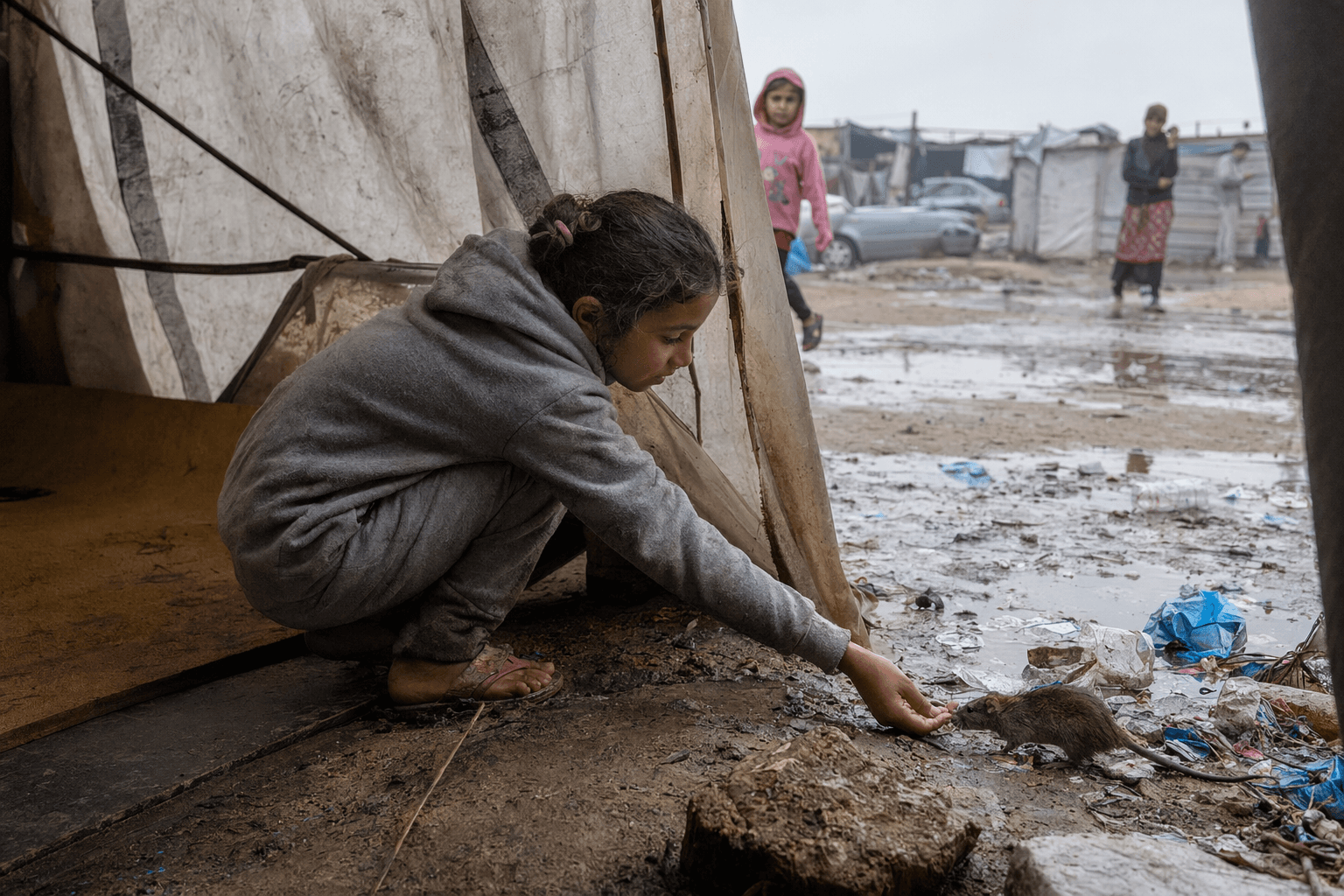
Rats and parasites have pushed Gaza’s displacement camps into a deeper emergency, biting children in their sleep, chewing through belongings and exposing families to disease in shelters built from tarps, scraps and damaged debris. More than 2 million Palestinians have been displaced, many into makeshift camps on open ground, roadsides and the ruins of destroyed buildings, where sanitation has collapsed along with normal daily life.
In Khan Younis, Amani Abu Selmi found that rodents had eaten holes through her wedding dress and trousseau inside the tent where her family was sheltering. “All my happiness was gone,” she said after seeing the damage. In another camp, Khalil Al-Mashharawi said a rat bit his 3-year-old son on the hand and toes while the child slept, and that he later suffered bites himself. The attacks are not just a grim nuisance. They are injuries in a place where children already live amid crowding, contaminated waste and little protection from infection.
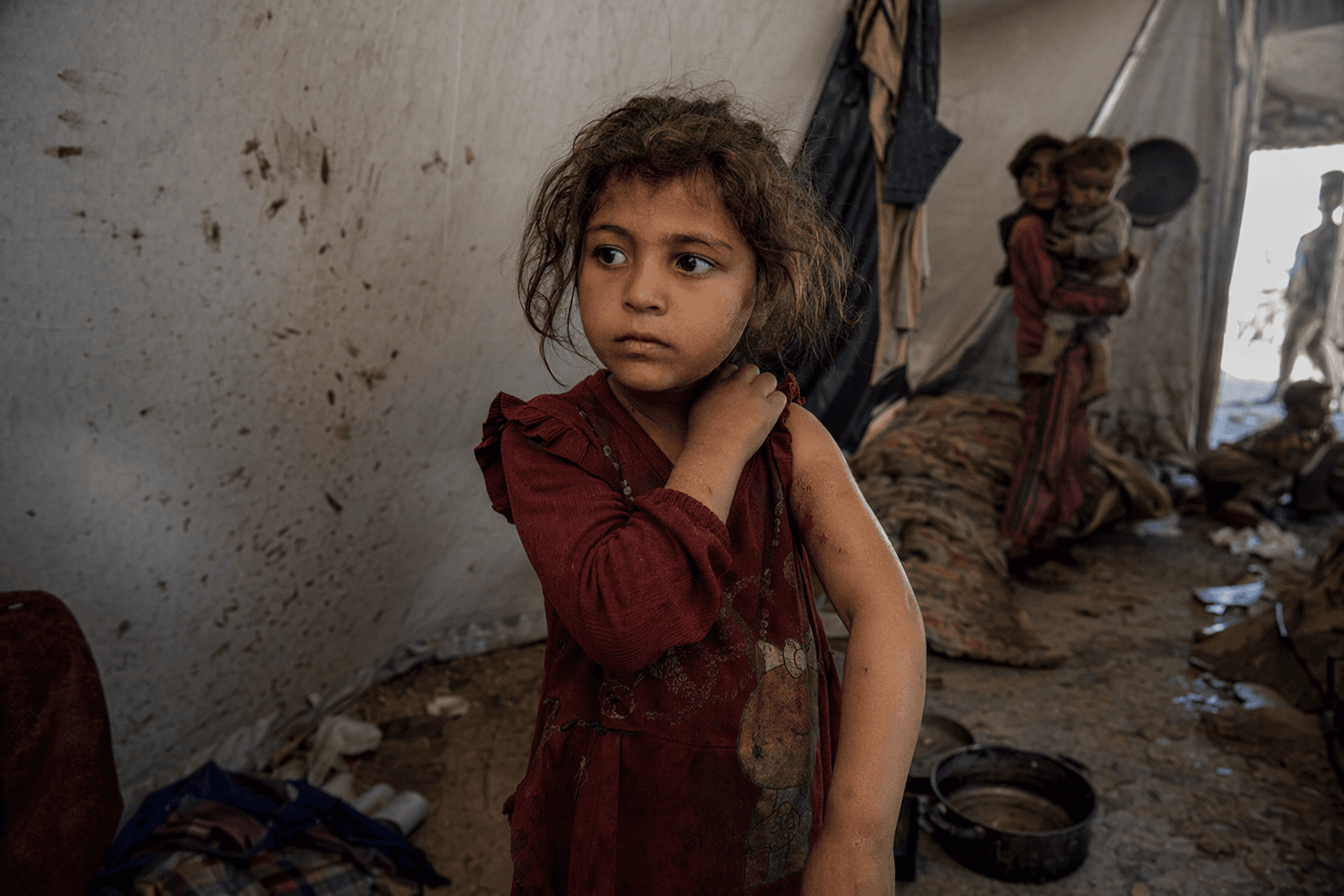
The scale of the breakdown is severe. UNRWA said nearly 90% of Gaza’s water and sanitation infrastructure has been destroyed or damaged, and around 80% of the population now relies on water trucking for drinking water. Between April 7 and April 13, an alert system managed by the Site Management Cluster found rodents or pests were frequently visible in 1,326 of 1,644 assessed displacement sites. WHO-linked reporting said more than 17,000 rodent- and external-parasite-linked infection cases had been recorded among displaced people in Gaza since the beginning of 2026, while skin diseases were reported in more than 80% of displacement sites.
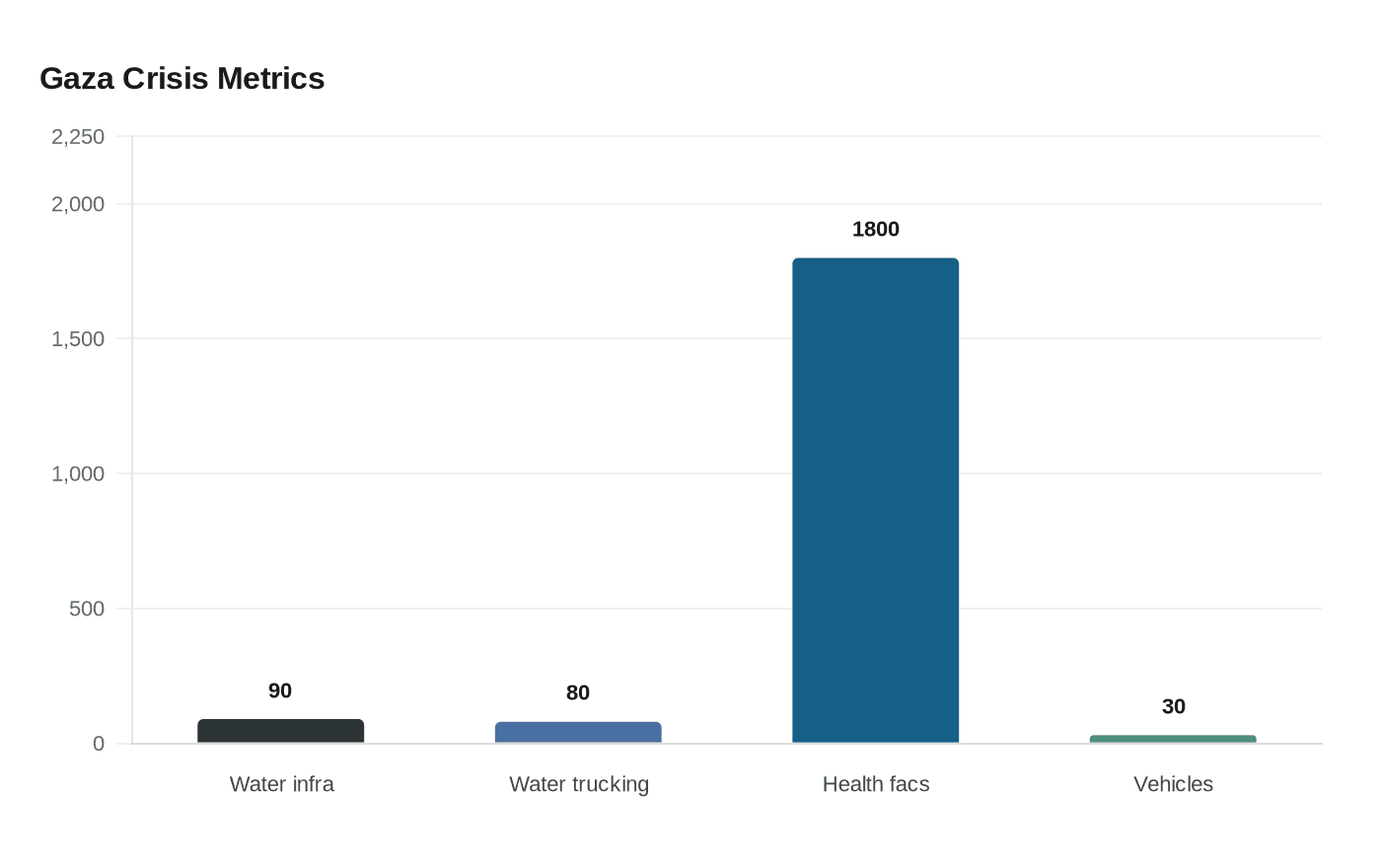
The infestation has been intensified by the destruction of public-health systems that would normally keep it in check. More than 1,800 health facilities in Gaza have been partially or completely destroyed, and more than 30 vehicles essential for waste management, water supply and sewage maintenance were destroyed by Israeli airstrikes in late April 2025. With construction supplies scarce, displaced families have been forced to build rudimentary latrines without sewage networks, creating breeding grounds for rodents and insects. Reuters also said pesticides and rat traps have become scarce, leaving camps with fewer tools to fight a problem that now reaches from the tent floor to the clinic door.
This article was produced by Prism’s automated news system from verified source data, official records, and press releases, then run through automated quality and moderation checks before publishing. The system is built and supervised by the people who set the standards it runs under. Read our full AI policy.
Did this article answer your question?