Federal guidance pushes Nintendo to audit AI hiring tools
The EEOC and DOJ issued guidance on AI and algorithmic tools, urging audits, transparency and accommodations. Nintendo must review automated hiring, screening and evaluation systems to avoid discrimination.
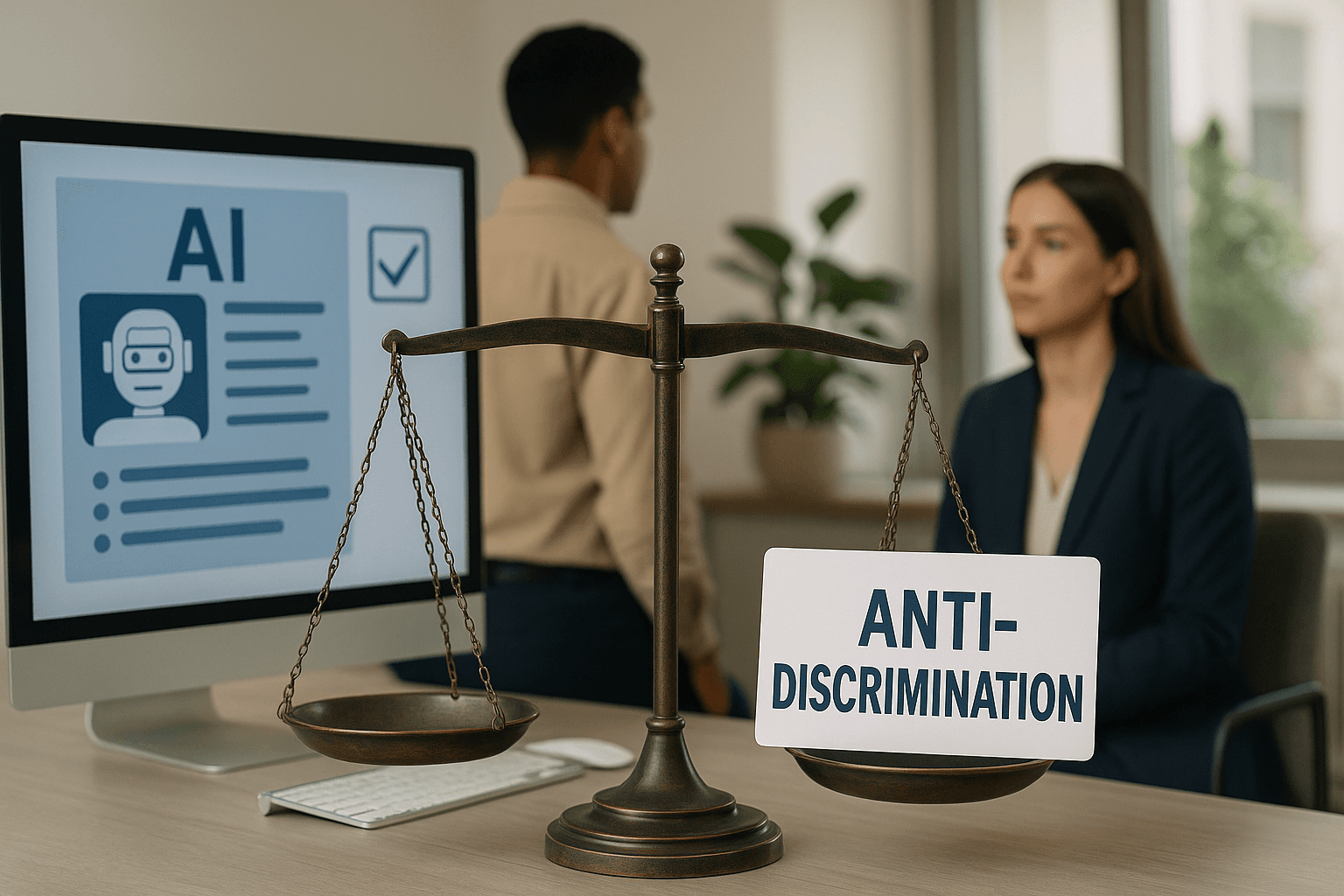
Federal regulators have spelled out how employers’ use of software, algorithms and AI in hiring and other employment decisions can violate the Americans with Disabilities Act and Title VII. The guidance tells employers to treat automated tools not as neutral time-savers but as selection procedures that require anti-discrimination checks, transparency and processes to provide reasonable accommodations.
Regulators emphasize three practical responsibilities. Employers must ensure algorithmic tools do not screen out applicants or employees with disabilities without providing reasonable accommodations. Tools used for hiring, promotion or other personnel decisions are to be treated as selection procedures subject to assessment for disparate impact and other unlawful outcomes. Employers are also urged to adopt safeguards such as testing for adverse impact, being transparent about how tools are used, and putting processes in place to deliver accommodations when algorithmic systems are applied.
For Nintendo this guidance matters across talent acquisition, internal mobility and performance evaluation. Game industry hiring increasingly relies on automated resume screening, video-interview analysis, gamified assessments and vendor-supplied psychometric or coding tests. Those systems can flag or filter out candidates for reasons that correlate with disability or other protected characteristics, creating legal risk and practical exclusion. The guidance applies equally to in-house systems and third-party vendors, meaning procurement, legal and HR teams need to treat vendor tools as extensions of the company’s selection procedures.
Operationally, adopting the guidance will change how teams work. Human resources and engineering must collaborate on design, testing and documentation. Procurement contracts should require vendor audits and data on adverse impact. Recruiting and hiring managers will need clear, documented accommodation workflows so an automated assessment does not become a hard barrier. Compliance requires both technical testing for disparate impact and managerial processes that preserve individualized accommodation analysis under the ADA.
The guidance also reshapes workplace dynamics. Candidates and employees who previously lost out to opaque algorithms may gain better paths to accommodation and review. At the same time, teams deploying automated tools should expect slower rollouts, extra compliance cost and new training needs. For managers, the immediate job is less about scrapping automation and more about instrumenting it so it plays fair - like playtesting a level until no player gets stuck in a trap.
For Nintendo employees and hiring leaders, the next steps are practical: inventory current automated hiring and evaluation tools, audit third-party vendors for adverse impact, document design and use decisions, and formalize accommodation procedures tied to algorithmic assessments. Regulators will look to this guidance when evaluating discrimination concerns, so updating policies and processes now reduces legal risk and supports more inclusive hiring as AI becomes part of the standard toolkit.
Know something we missed? Have a correction or additional information?
Submit a Tip