FedEx forecasts stronger growth after quarterly profit rises 12.6%
FedEx projected about 11% revenue growth and an EPS range of $16.90 to $18.10 as quarterly profit rose 12.6% and Freight became a separate company.
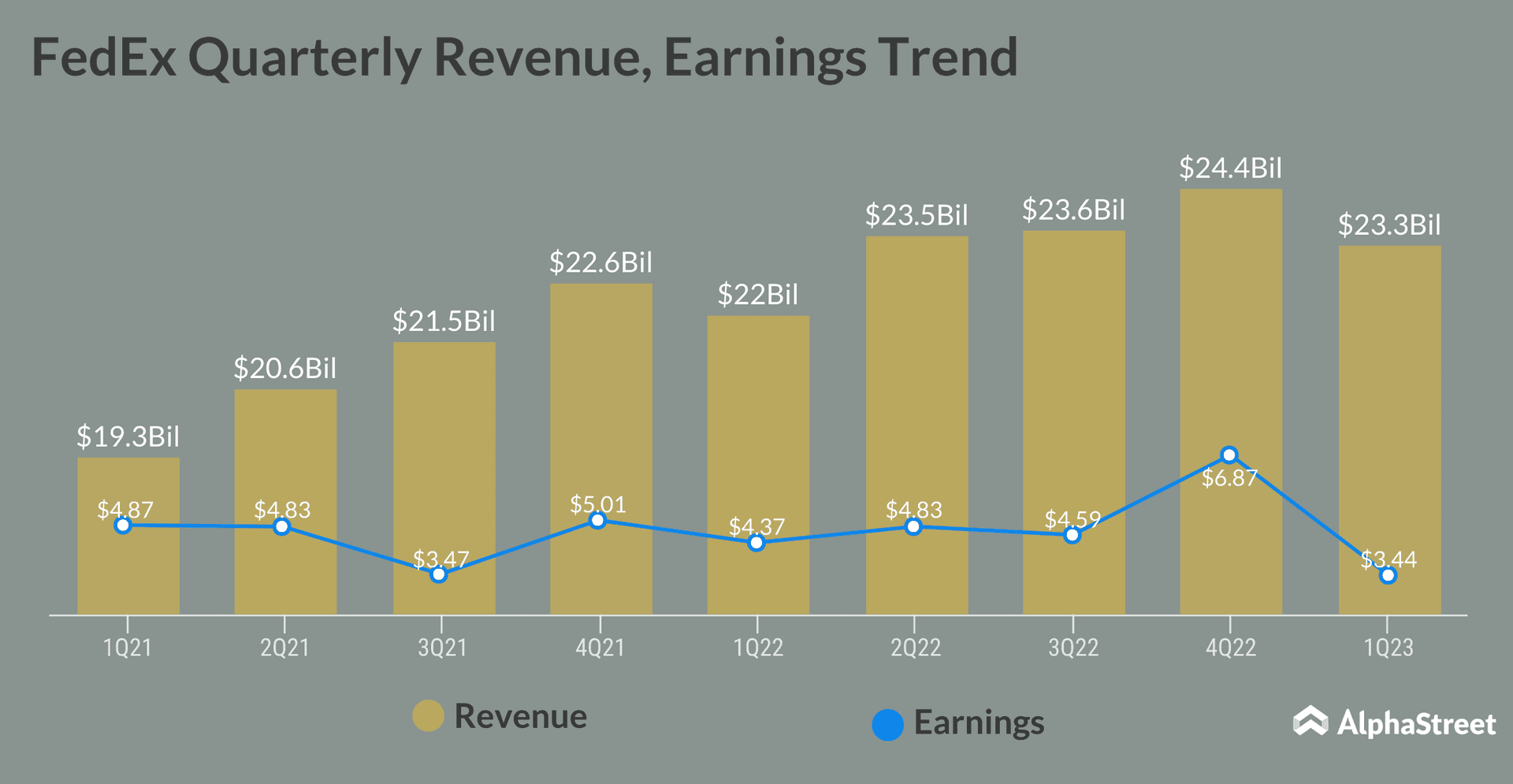
FedEx forecast about 11% revenue growth for the new fiscal year and set adjusted earnings per share at $16.90 to $18.10 as it posted a stronger fourth quarter and moved deeper into a major restructuring. For the quarter ended May 31, adjusted diluted earnings rose to $6.31 per share from $6.07 a year earlier, while revenue climbed 12.6% to $25.0 billion. Shares fell nearly 6% in extended trading after the outlook.
The numbers point to a business still benefiting from pricing power and steadier corporate shipping, even as parts of the parcel market remain uneven. FedEx said domestic demand was strong and that its express operation gained from higher U.S. domestic and international priority package yields. Higher export package volume also helped, a sign that business-to-business shipping and premium overnight traffic remain firmer than lower-margin consumer parcel flows.
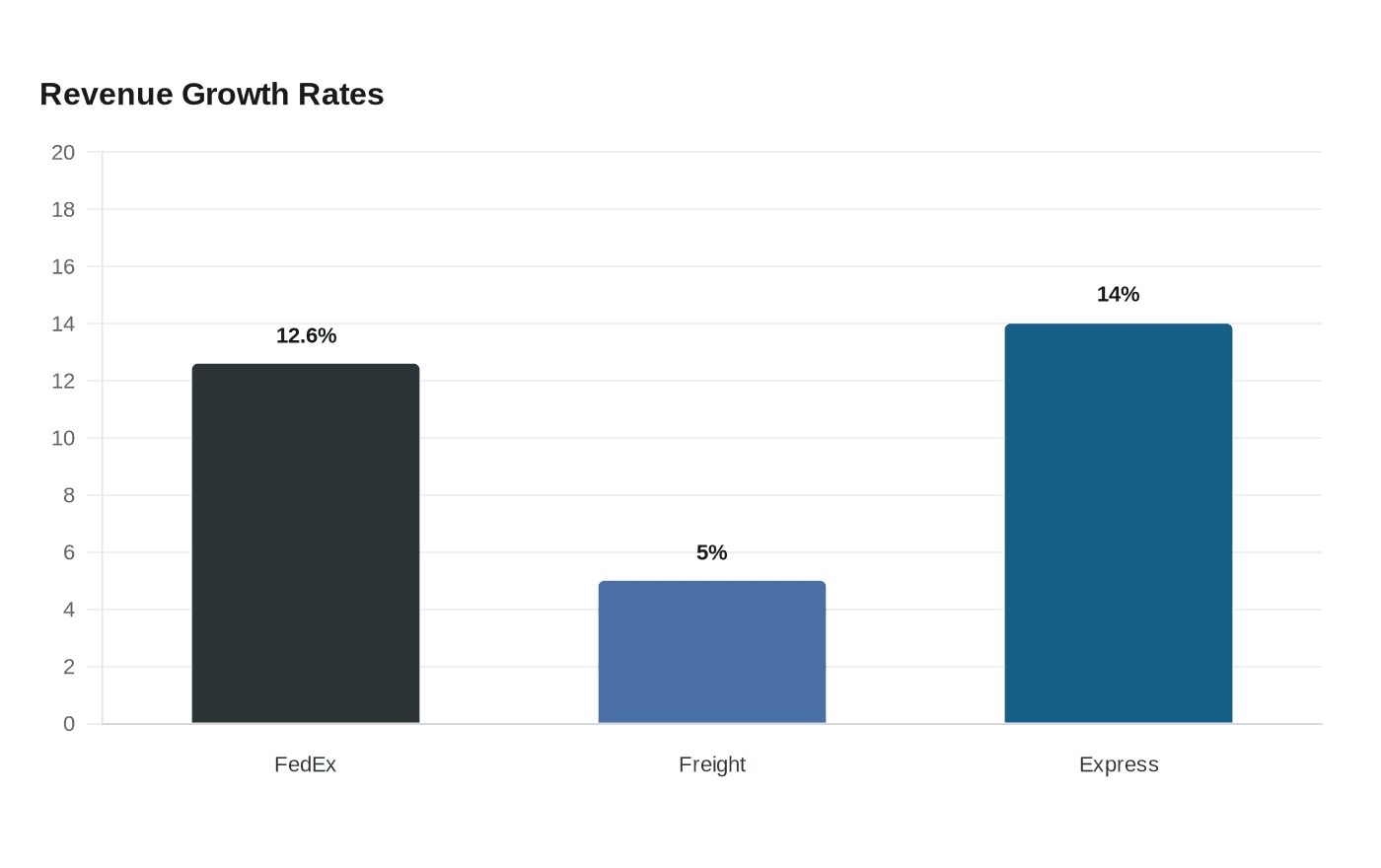
That strength was tempered by the changing shape of e-commerce. The end of duty-free treatment for low-value imports from China-linked discount retailers such as Shein and Temu has weighed on volumes, and FedEx has also seen softness in traditional online package traffic. At the same time, the company said its freight trucking unit grew revenue 5% and the express segment rose 14%, underscoring how different parts of the network are now moving at different speeds as global trade patterns shift.
FedEx Freight’s spin-off was completed on June 1, with stockholders receiving one share of FedEx Freight for every two FedEx shares held and FedEx retaining 19.9% of the new company. FedEx Freight began trading on the New York Stock Exchange under ticker FDXF the same day. FedEx described the separation as a “pivotal milestone” as it pushes to simplify operations and cut costs, and the company is also changing its fiscal calendar to align with the calendar year through a June-to-December transition year.
The cost side remained under pressure. FedEx said fuel costs surged 66% in the quarter, while higher purchased transportation, wage and incentive-compensation costs, and the financial effects of global trade policy changes partly offset the gains from better yields and export volume. Still, adjusted consolidated operating income improved, and the company said its transformation program exceeded its goal of $1 billion in cost savings during the year.
FedEx also said fiscal 2026 capital spending totaled $3.8 billion, down 6% from fiscal 2025 and equal to 4.0% of revenue, the lowest annual level in company history. That lower spending, paired with the Freight spin-off, leaves FedEx entering its transition year leaner, more focused, and more exposed to whether shipping demand can keep pace with a shifting economy.
This article was produced by Prism’s automated news system from verified source data, official records, and press releases, then run through automated quality and moderation checks before publishing. The system is built and supervised by the people who set the standards it runs under. Read our full AI policy.
Know something we missed? Have a correction or additional information?
Submit a Tip