FERC orders grid operators to revise data center connection rules
FERC moved to rewrite data-center hookup rules, giving six grid operators 60 days to explain how giant AI loads should connect and who should pay for upgrades.

The Federal Energy Regulatory Commission ordered the nation’s six regional grid operators to justify or revise their rules for connecting data centers and other large power users, escalating a fight over how the AI boom should be absorbed by an already strained electric system. The June 18 action, issued under Section 206 of the Federal Power Act, excluded Texas and gave the operators 60 days to respond.
The move landed as electricity demand is climbing faster than forecasters had expected. In January, the U.S. Energy Information Administration said U.S. power use was on track for its strongest four-year growth since 2000, with demand rising in 2026 and 2027 in part because of data centers. That pressure has sharpened reliability concerns: in May, the North American Electric Reliability Corporation issued a rare Level 3 alert warning that some large loads were changing in seconds, leaving little room for grid operators to react.
FERC framed the show-cause orders as an attempt to speed the integration of huge new customers while still protecting ratepayers. The agency is not only asking how data centers should connect, but also who should bear the cost of new transmission and other infrastructure needed to serve them. That question goes to the heart of the AI buildout, where server warehouses can add demand faster than utilities can plan generation, substations and high-voltage lines.
Chair Laura Swett described the initiative as a race against time and said it was the biggest priority facing the country. The commission has also tied the effort to broader national goals, including an Energy Department directive from Chris Wright to accelerate data-center connections as part of the competition to develop and deploy AI technology faster than global rivals.
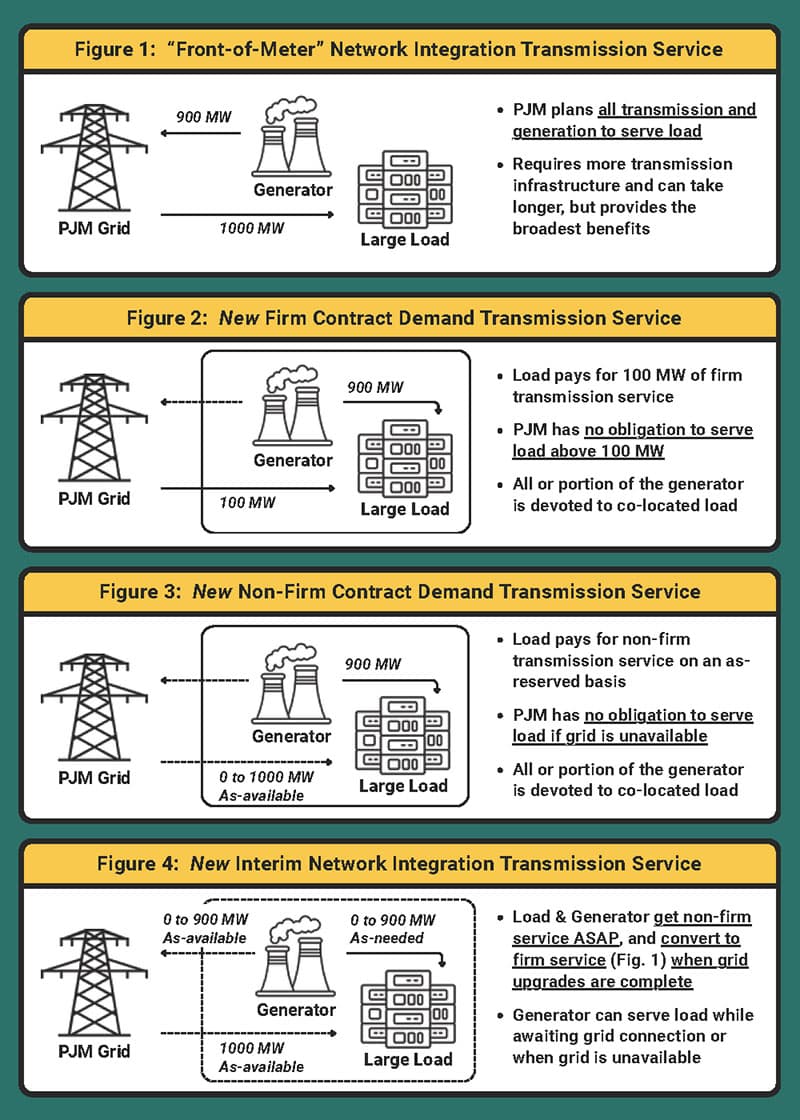
The June 18 orders followed an earlier step on April 16, when FERC said it would act by the end of June on its RM26-4 large-load interconnection docket. Regulators have already taken a narrower step in PJM Interconnection, the largest U.S. grid operator, which serves more than 67 million people across 13 states and Washington, D.C. There, FERC directed clearer rules for AI-driven data centers co-located with generation.
Taken together, the actions show how AI is moving from a software story to a power-system problem. The next round of rules could shape where new data centers are built, how quickly they come online and whether the costs of upgrading the grid fall on the companies driving demand or the households that depend on reliable service.
This article was produced by Prism’s automated news system from verified source data, official records, and press releases, then run through automated quality and moderation checks before publishing. The system is built and supervised by the people who set the standards it runs under. Read our full AI policy.
Know something we missed? Have a correction or additional information?
Submit a Tip