Finland's bomb shelters draw foreign delegations as security model grows
About 800 delegations have toured Helsinki's Merihaka shelter, as Finland's civil-defense network protects 4.8 million people and doubles as everyday city infrastructure.

Foreign delegations have turned up in Helsinki to inspect Merihaka, the city’s giant civil shelter, where Finland has packaged wartime readiness as something built into ordinary urban life. The site has become a showcase for Finnish companies selling security know-how to governments worried about missiles, drones and the vulnerability of critical infrastructure. Visiting Ukrainian mayors have also toured the shelter, underscoring why Finland’s model now carries force far beyond its borders.
The scale is what gives the system credibility. Finland has about 50,500 civil-defense shelters with space for 4.8 million people, according to the Ministry of the Interior, and about 85% are private reinforced-concrete shelters inside individual buildings. In peacetime, many of them serve as sports halls, metro stations, parking spaces or storage. When needed, they must be emptied and put into use within 72 hours. The ministry says civil defense is activated in war or when there is a threat of war, and its duties include warning the population, evacuation to shelters, firefighting, rescue operations and medical care.
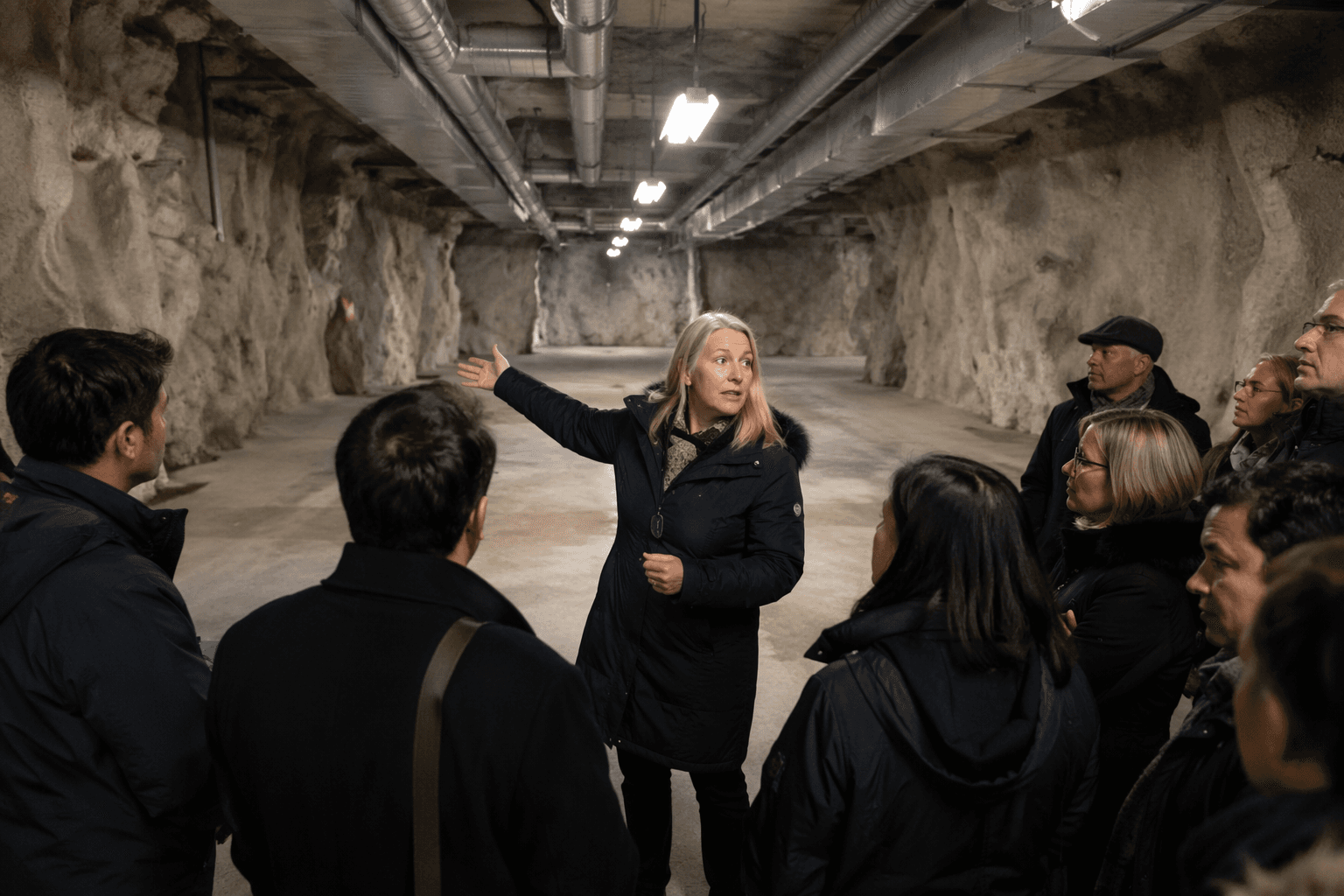
That is why Finland’s shelters read less like a symbolic bunker program and more like a public-health and continuity plan. A shelter condition study found that more than 90% of civil-defense shelters would provide good protection against conventional weapons, and Helsinki has the highest number of shelter places, at 34% above its population. Aalto University said in June 2025 that the system covers almost the entire population and has cost the equivalent of three years of defense spending. In a country where preparedness is folded into daily city life, the shelters are not hidden relics. They are working infrastructure.

The parts most readily copied elsewhere are the rules, not the concrete. Finland published three new guides on Jan. 21, 2026 to help building owners plan shelter activation and maintenance, part of an effort to standardize upkeep and strengthen resilience. The legal framework is equally important: shelter construction is tied to large buildings under the Rescue Act, with obligations triggered when floor area exceeds 1,200 square meters, or 1,500 square meters for industrial, production, storage and assembly buildings. Those mandates make shelter capacity a normal part of development, not an emergency afterthought.
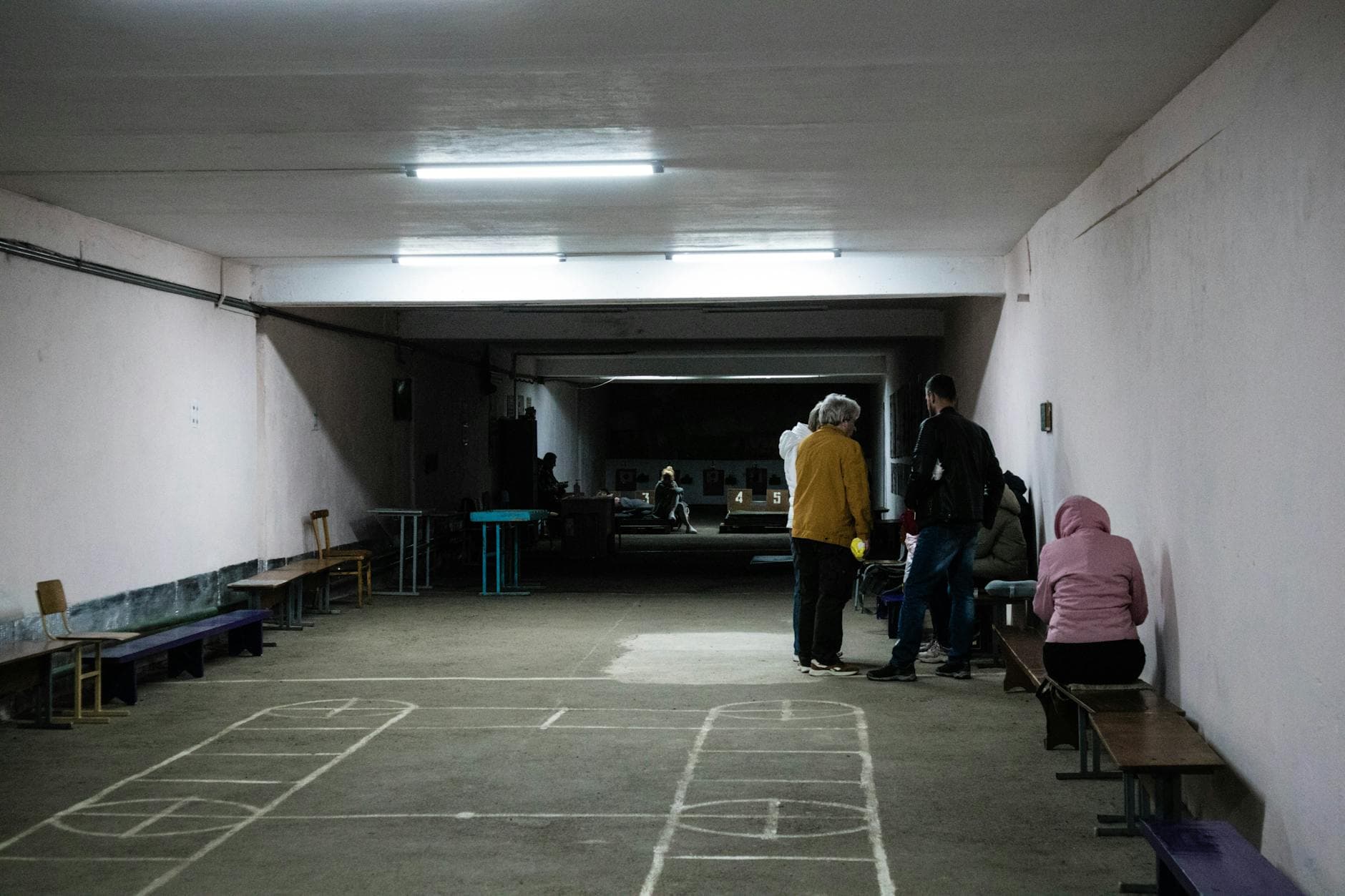
What is harder to replicate is the political buy-in that has kept the system intact across decades. Finland’s shelter network grew out of 20th-century war experience and sustained construction, but its modern relevance comes from a simple lesson: civil defense works best when it is visible, maintained and woven into the city before the sirens ever sound.
Know something we missed? Have a correction or additional information?
Submit a Tip