Fire damages Bulgarian embassy vehicles, deepening Bulgaria-North Macedonia tensions
Two Bulgarian embassy vehicles burned in Skopje as a 44-year-old suspect was detained, sharpening a dispute already tied to North Macedonia’s EU path.
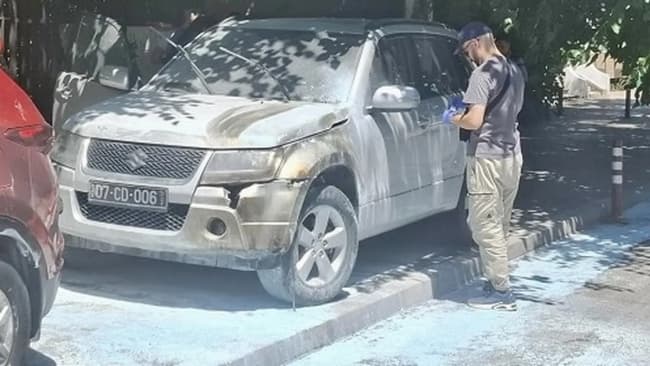
Two Bulgarian embassy vehicles burned in Skopje, and the blaze quickly became more than a local criminal case. North Macedonia’s Interior Ministry said the fire was reported at 12:13 p.m. on June 15, and that a 44-year-old Skopje resident was detained as investigators worked to establish the motive.
Skopje moved fast to contain the diplomatic fallout. Prime Minister Hristijan Mickoski said the Ministry of Interior had detained the perpetrator, and the government strongly condemned the burning of the diplomatic vehicles. Foreign Minister Timcho Mucunski also spoke by phone with Bulgarian counterpart Velislava Petrova-Chamova and condemned the attack, while MIA reported that the clothes worn by the suspect during the incident were also found.
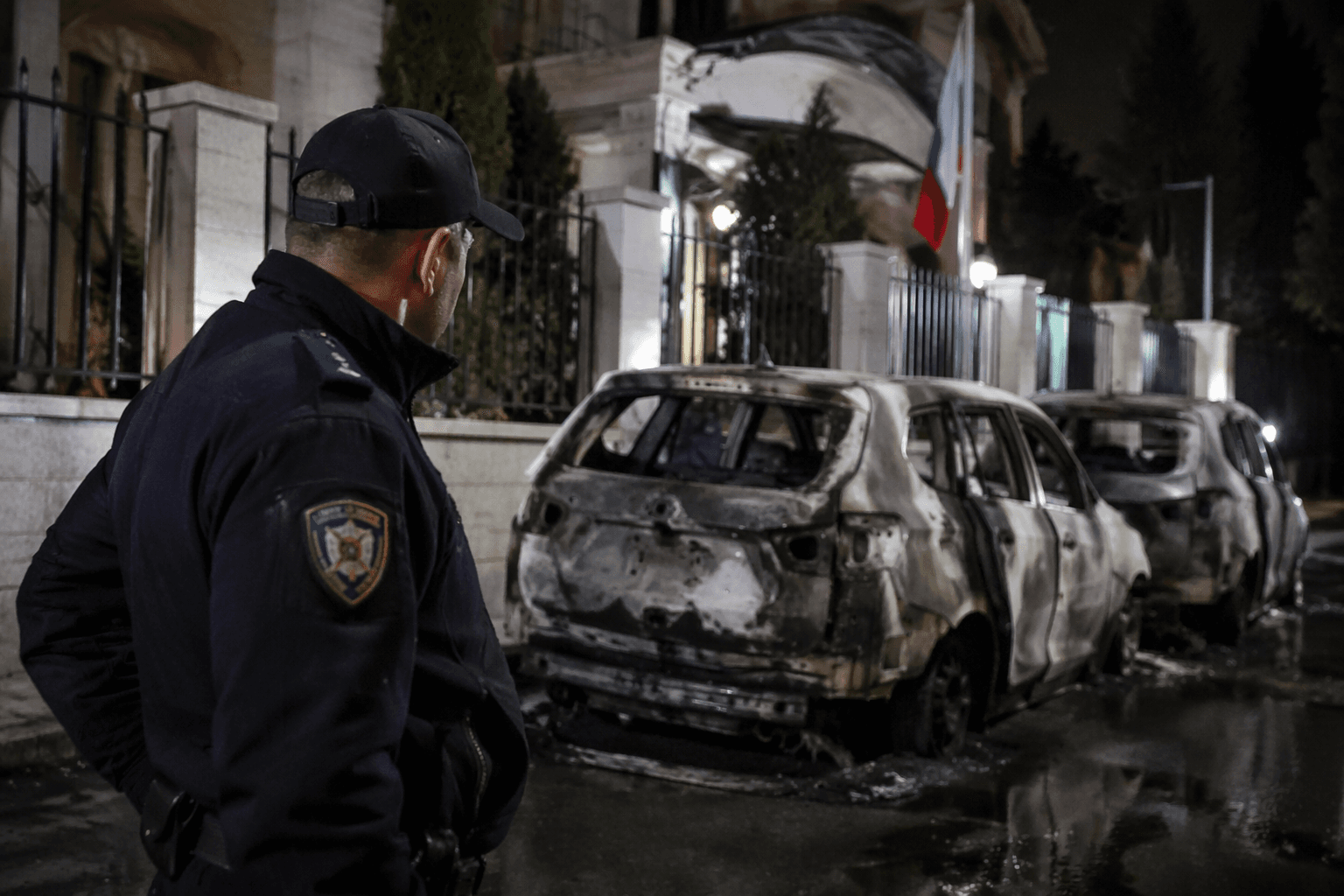
Sofia answered with unusually sharp language. Bulgaria’s foreign ministry called the arson “a blatant act of aggression” and said it endangered the health and lives of embassy staff in Skopje. Bulgarian officials said the consul extinguished the fire, limiting the damage to the mission’s vehicles and preventing a more serious incident.
The episode landed in a relationship already weighed down by history, identity and the politics of European integration. Bulgaria first recognized North Macedonia’s independence in 1991, but the two countries have remained divided over language, history, minorities and the treatment of Bulgarians in North Macedonia. Bulgaria blocked the start of North Macedonia’s EU accession negotiations in 2020, and the 2022 French-proposal framework tied progress to constitutional changes and to implementation of the 2017 Friendship Treaty.
That background gives the Skopje arson broader diplomatic weight. North Macedonia remains an EU candidate country, yet disputes over Macedonian identity and language have continued to flare in 2025 and 2026, including in European Parliament reporting. Bulgaria’s president, Rumen Radev, said an attack on embassy property should be treated as an attack on Bulgaria itself, underscoring how quickly an act of vandalism can spill into the region’s unresolved accession fight. The fire came after a recent meeting in Sofia between senior officials from both countries, a reminder that even a single incident can reopen a long-running argument over sovereignty, memory and Europe’s borders.
This article was produced by Prism’s automated news system from verified source data, official records, and press releases, then run through automated quality and moderation checks before publishing. The system is built and supervised by the people who set the standards it runs under. Read our full AI policy.
Know something we missed? Have a correction or additional information?
Submit a Tip