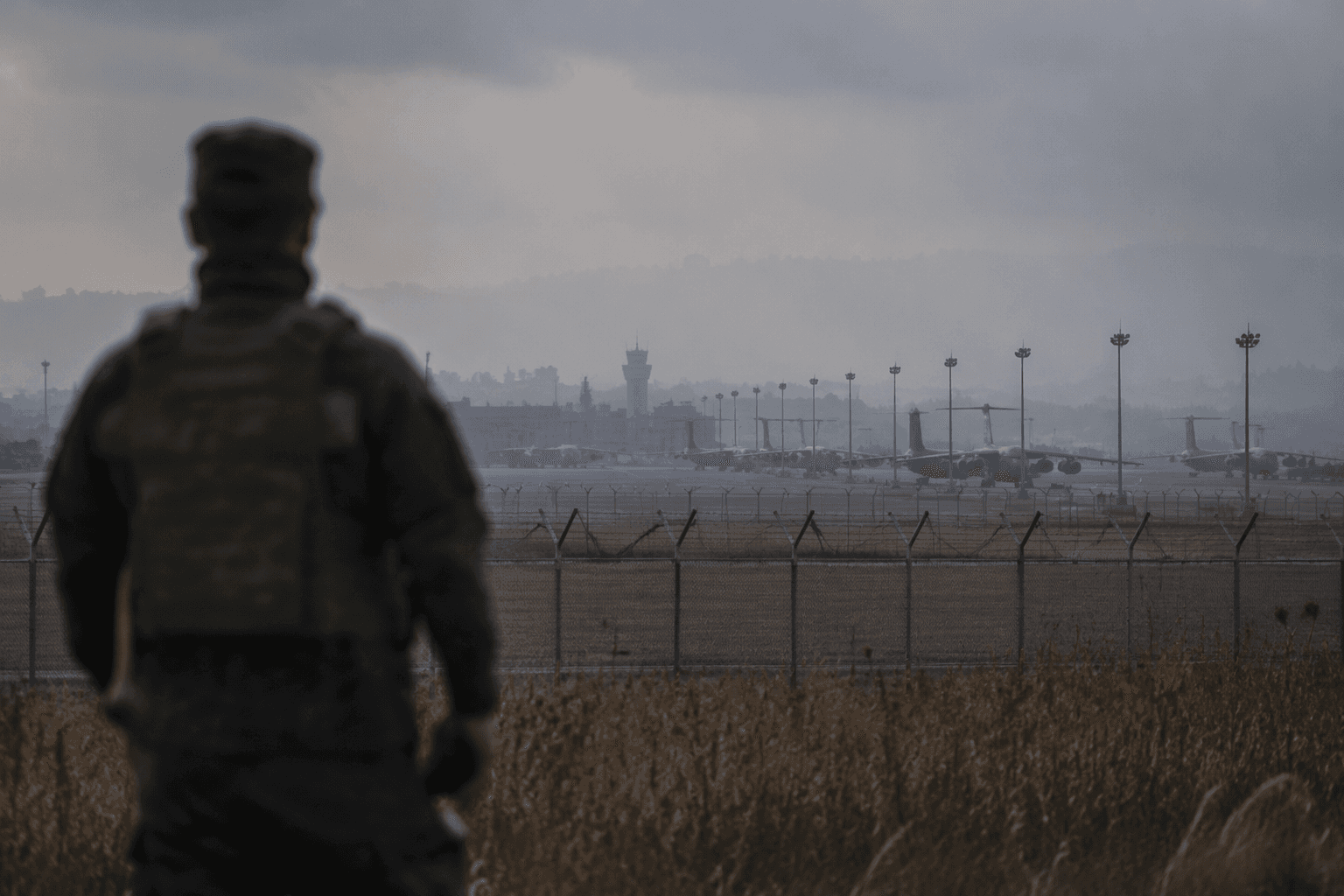
Fires and injuries reported after magnitude 7.0 quake in Kumamoto
Fires and injuries were reported in Kumamoto after a magnitude 7.0 quake, and officials lifted a tsunami warning as the region braced for more shaking.
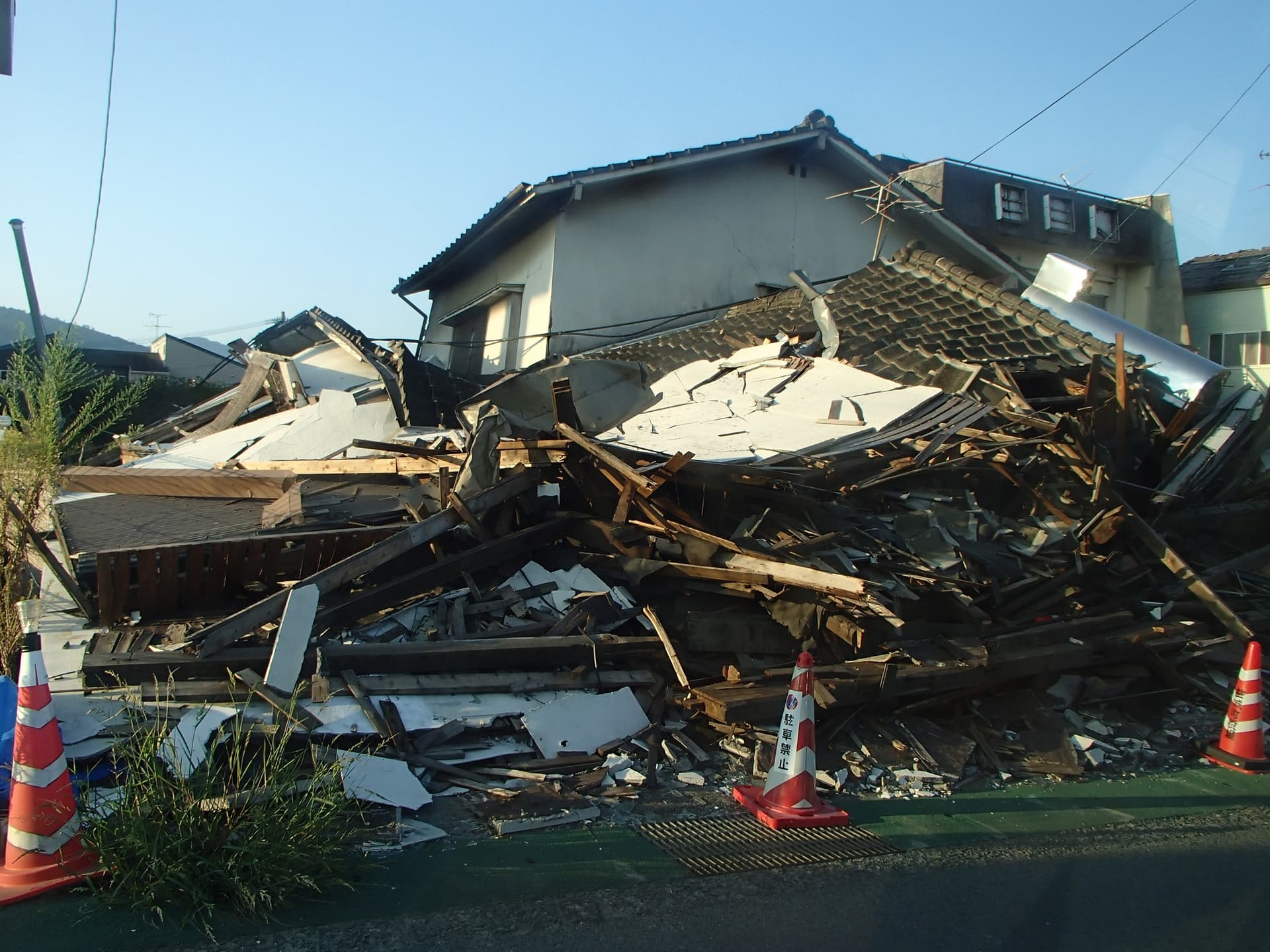
Fires and injuries were confirmed in Kumamoto Prefecture after a preliminary magnitude 7.0 earthquake struck 6 km east-southeast of Kumamoto, Japan. Authorities later lifted a tsunami warning, narrowing the immediate threat even as the shock spread across southwestern Japan.
No full damage tally was available immediately. The quake hit Kyushu Island, and the first response centered on confirming casualties, checking transport lines and assessing whether critical services could hold under stress.
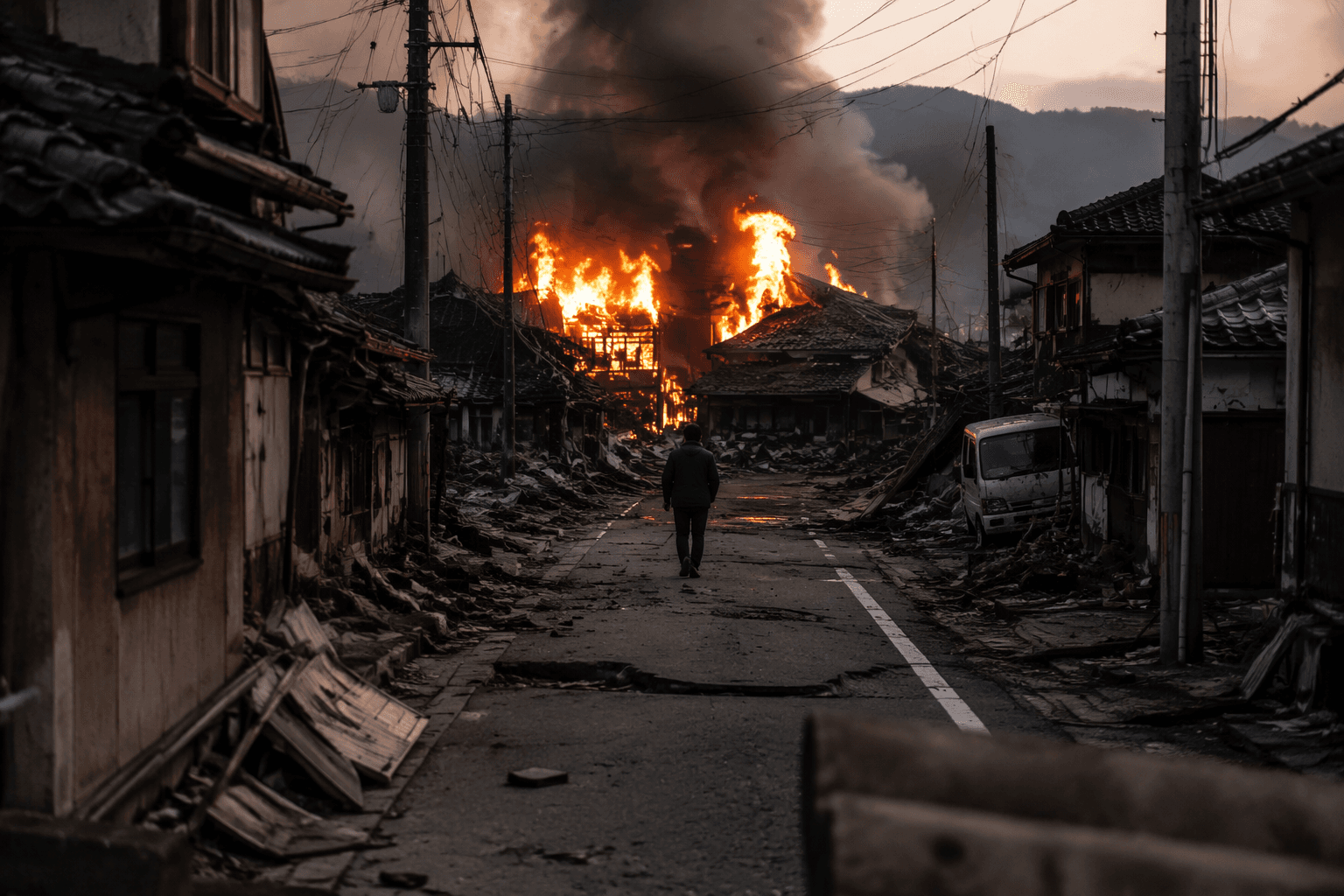
The new quake revived memories of the 2016 Kumamoto earthquake sequence, which began on April 14, 2016, with a magnitude 6.5 foreshock and was followed by a stronger quake on April 16. Kumamoto University called those two shocks consecutive quakes with a peak seismic intensity of 7, unprecedented in the city’s recorded history.
The 2016 disaster caused major damage in Kumamoto and Oita prefectures. A preliminary Asian Disaster Reduction Center report put 49 people killed in Kumamoto prefecture and 7,996 houses totally destroyed across the two prefectures, with direct economic losses estimated at ¥2.4 trillion to ¥4.6 trillion, or about $24 billion to $46 billion. Later tallies put the death toll at 278, including related deaths.
In 2016, the April earthquakes disrupted supply chains for Toyota and other major Japanese firms, while landslides and damage to Kumamoto Castle added to the strain on local authorities and communities.
The 2016 quakes were tied to the Futagawa and Hinagu faults.
This article was produced by Prism’s automated news system from verified source data, official records, and press releases, then run through automated quality and moderation checks before publishing. The system is built and supervised by the people who set the standards it runs under. Read our full AI policy.
Did this article answer your question?