White phosphorus leak at US air base in South Korea sparks alarm
South Korea issued an evacuation advisory after white phosphorus leaked inside Osan Air Base, raising questions over who was exposed and what was disclosed.
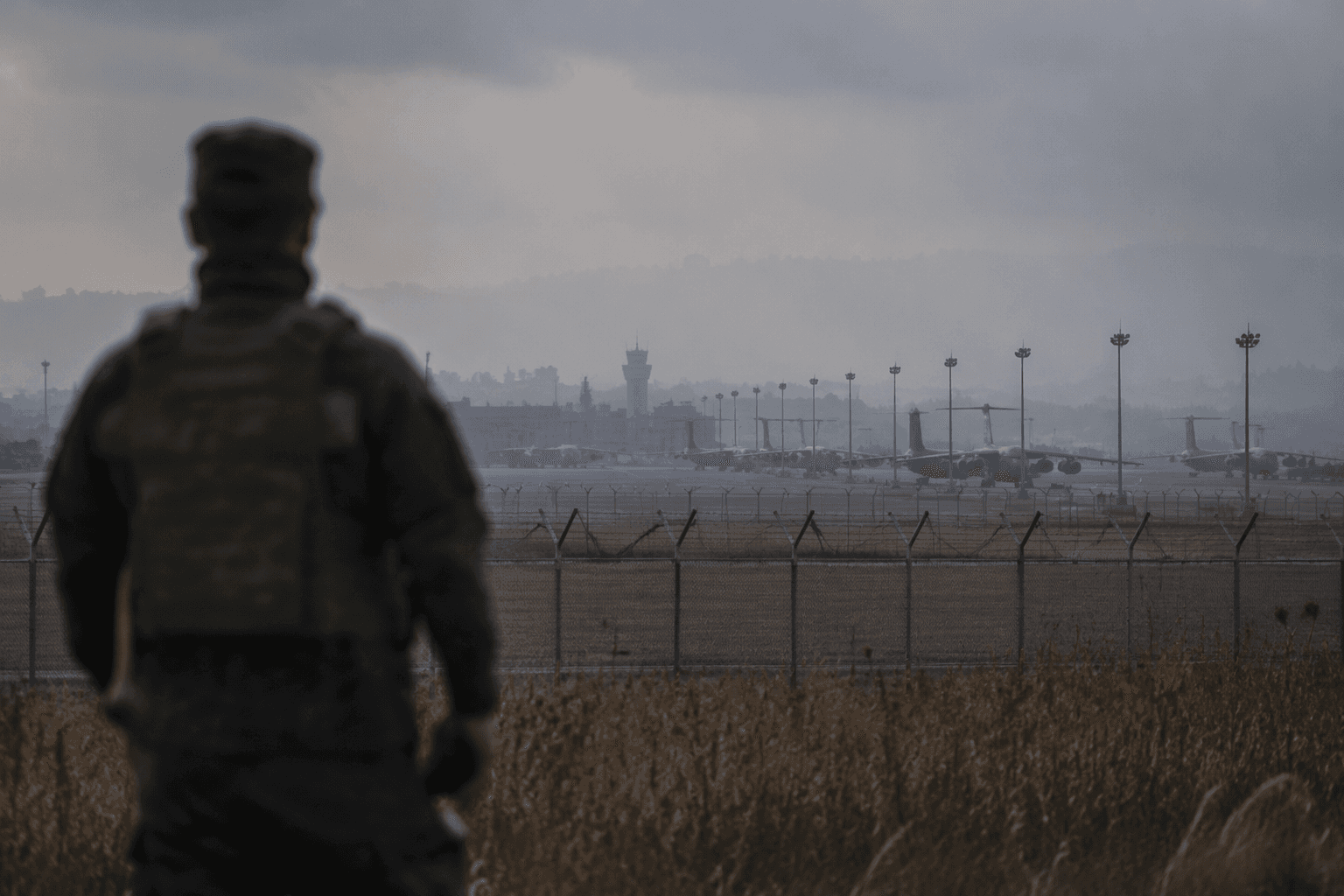
South Korea’s safety ministry said a white phosphorus leak occurred inside Osan Air Base in Pyeongtaek, also known as K-55, and issued an evacuation advisory for nearby residents. The incident put a hazardous military material at the center of a public-safety alert on a facility used by U.S. forces and their South Korean ally.
White phosphorus is especially alarming because it is a white-to-yellow waxy solid that can ignite on contact with oxygen, according to World Health Organization background material. In a military setting, that makes even a limited release a matter of immediate scrutiny, not only for burn risk but also for smoke and contamination concerns.
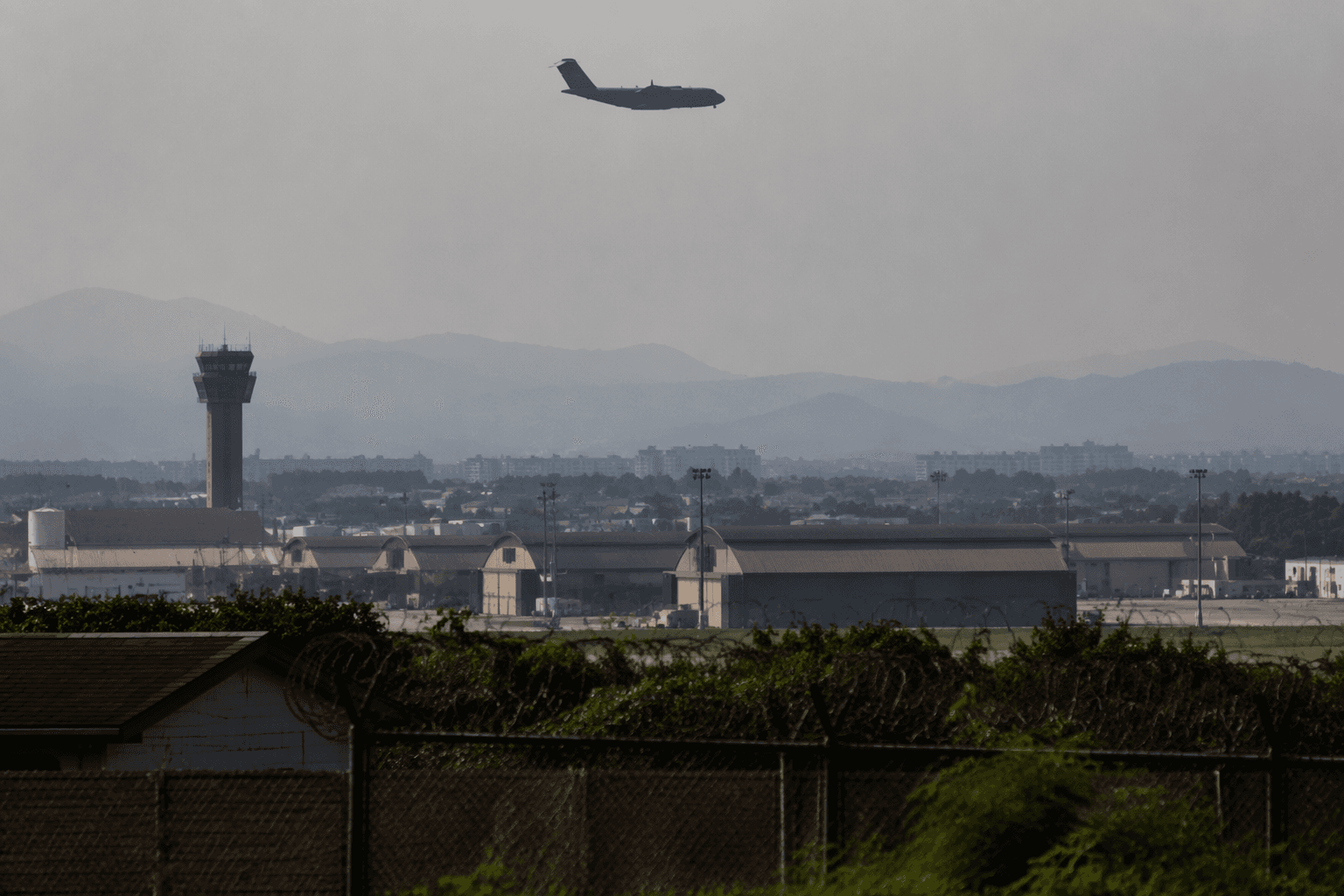
The first questions in Seoul are practical and accountability-driven: what leaked, how much escaped containment, whether any workers or residents were exposed, and what cleanup steps are needed. The evacuation advisory covered nearby residents, underscoring that the incident was not treated as a purely internal base matter. It also raised the broader issue of how quickly both South Korean and U.S. authorities communicate when hazardous materials are involved inside an American installation on South Korean soil.
The leak lands in a sensitive diplomatic space. Security cooperation between the United States and South Korea depends on confidence that base operations are tightly managed, yet accidents involving fuel, chemicals or munitions can quickly become tests of host-nation trust. Residents and advocacy groups in South Korea have long pressed for more transparency around spills, emissions and accidents at military facilities used by foreign forces, arguing that nearby communities should not absorb hidden risks from bases they do not control.
That pressure is likely to intensify around a white phosphorus incident because the material’s military use makes it especially sensitive. Even if officials ultimately determine the leak was contained, the episode can still trigger inspections, maintenance reviews and changes in hazardous-material handling procedures. The immediate burden is proving that the alarm was matched by a fast and credible response.
The incident also fits into a broader readiness framework already familiar to both militaries. U.S. and South Korean airmen have taken part in bilateral CBRN incident-response exercises, reflecting preparation for chemical, biological, radiological and nuclear emergencies. That planning now faces a real-world test at Osan, where environmental risk, base oversight and alliance transparency converged in a single leak.
This article was produced by Prism’s automated news system from verified source data, official records, and press releases, then run through automated quality and moderation checks before publishing. The system is built and supervised by the people who set the standards it runs under. Read our full AI policy.
Did this article answer your question?