Fish and chip shop boss says rising prices are leaving customers abrupt
Prices are rising so fast at one fish and chip shop that Rhys McLoughlin is fitting self-service tills after customers grew abrupt over menu costs.
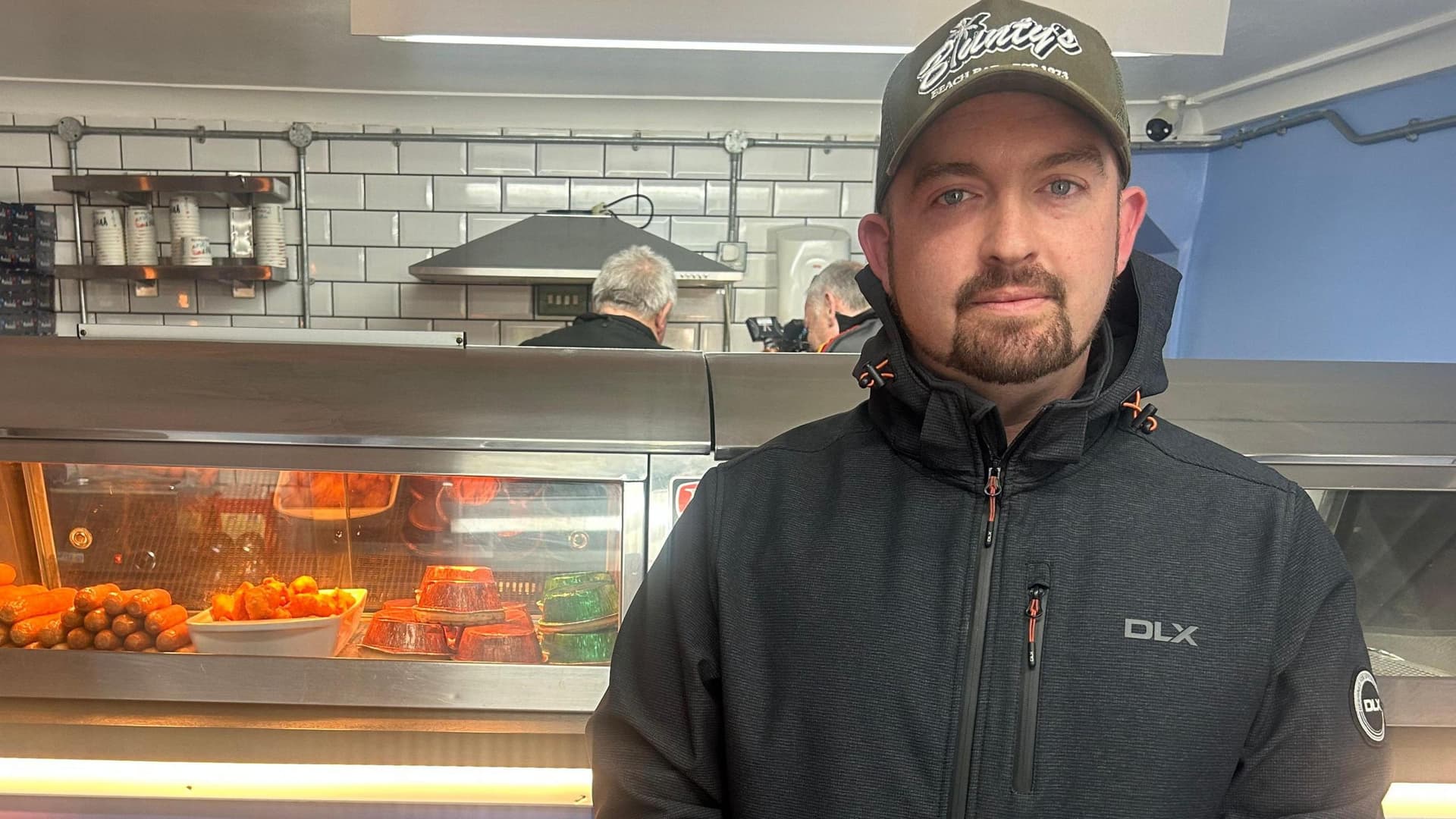
Rhys McLoughlin says the pressure from rising prices is now showing up at the counter, where customers have become more abrupt when they question what a meal costs. The fish and chip shop boss said he does not think customers understand that “incoming prices are going up and up”, a problem that is forcing him to install self-service tills.
The shift comes as chippies across the country face a fresh squeeze from higher fuel prices, potato fertiliser costs and chip-oil bills. Those inputs have been pushing margins down and menu prices up, leaving operators caught between higher wholesale costs and customers who are already uneasy about paying more for a traditional takeaway.
For a trade built on repeat custom and quick face-to-face service, the change is especially stark. Fish and chips have long been described as a national institution, with the BBC marking the dish’s 150th birthday as a British staple. That cultural status helps explain why price rises land so hard: when a family shop in Lancashire or elsewhere lifts prices, the reaction is immediate and personal.
The move toward self-service tills also reflects a wider fault line in retail. Some businesses have begun moving back to staffed tills after customer complaints, while others argue that self-checkouts invite fraud and retail crime. Booths said in November 2023 that it would remove almost all self-checkouts and return to staffed tills in response to customer feedback, a sign that the industry is still testing how much automation shoppers will tolerate.
That debate is not new. BBC reporting in 2009 already noted concerns that the spread of self-service tills was cutting down face-to-face interaction in shops. Nearly two decades later, the same arguments are resurfacing, but now they are tied to a harsher cost-of-living backdrop, with retailers trying to protect margins while customers push back against higher prices.
McLoughlin’s decision shows how inflation is changing not only what people pay, but how they are served. Rising supplier costs are feeding through to the till; customer frustration is reshaping the way shops handle payments; and automation is increasingly replacing the kind of human interaction that once defined a trip to the local chippy.
This article was produced by Prism’s automated news system from verified source data, official records, and press releases, then run through automated quality and moderation checks before publishing. The system is built and supervised by the people who set the standards it runs under. Read our full AI policy.
Did this article answer your question?
%3Amax_bytes(150000)%3Astrip_icc()%2FCertificate-of-deposit-2301f2164ceb4e91b100cb92aa6f868a.jpg&w=1920&q=75)