Fitch warns Romania's political turmoil could derail deficit cuts
Fitch kept Romania at BBB- with a negative outlook, but warned political instability could slow deficit cuts beyond 2026. The warning lands as Bucharest fights to keep investor confidence intact.

Fitch kept Romania at BBB- with a Negative Outlook on July 31, a rating that sits at the lowest investment-grade notch. The agency also warned that political instability will weigh on Bucharest’s efforts to cut the deficit beyond 2026, even after Romania narrowly avoided a downgrade as its budget gap narrowed more than expected.
The warning goes to the heart of Romania’s fiscal repair plan: the numbers alone are not enough if the political system cannot hold together long enough to deliver them. Fitch has already flagged the country’s political crisis and macroeconomic challenges as consolidation risks, a concern that has become sharper as shifting alliances and government turnover make tax rises or spending cuts harder to sustain.
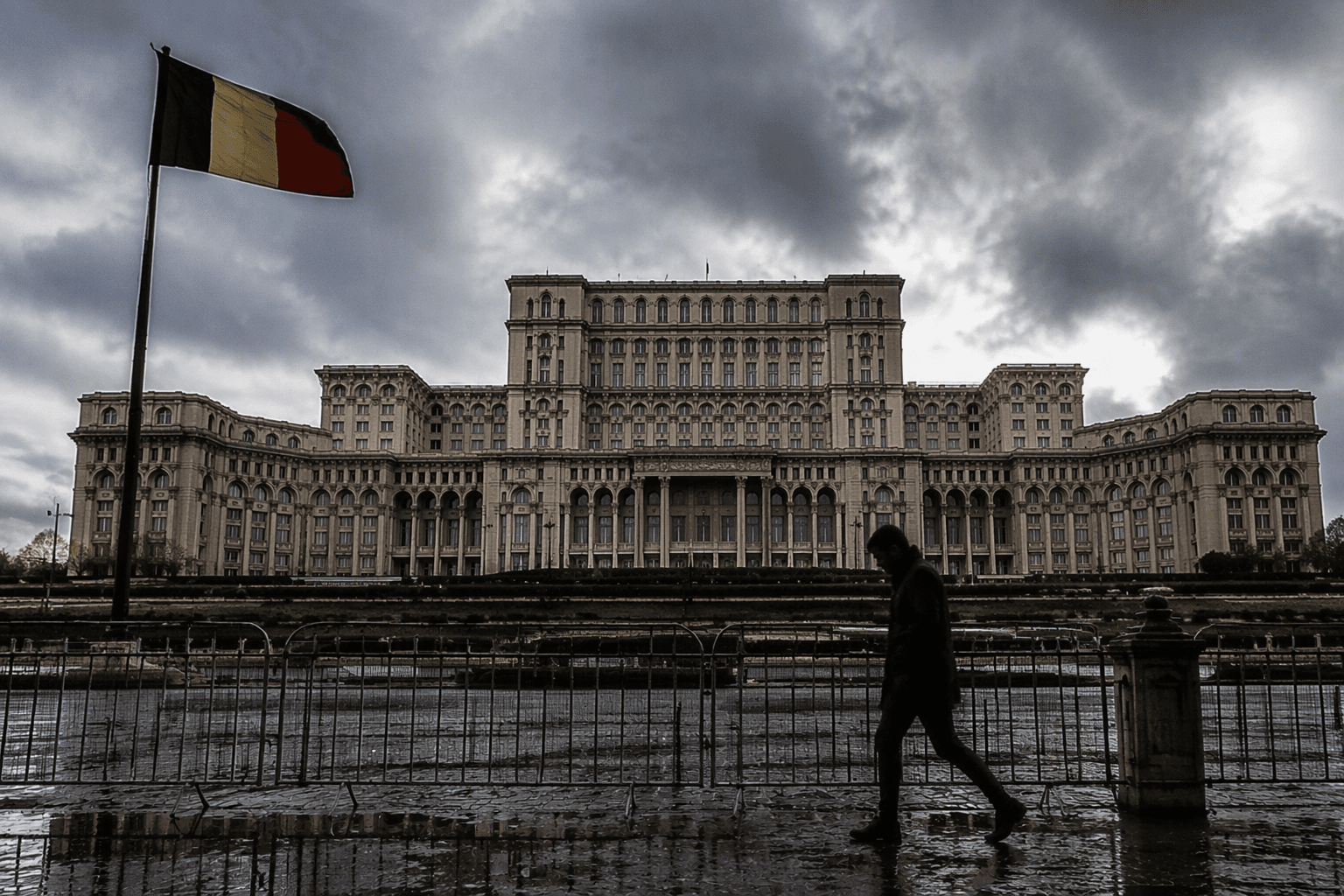
For investors, that raises the risk that Romania’s borrowing costs stay elevated. A country that cannot convince markets its deficits will keep falling faces a tougher price for issuing debt, weaker appetite from bondholders and more caution from businesses weighing investment plans. That can also limit the state’s room to respond if growth slows or a future downturn hits, because a government already stretched by high deficits has less flexibility to raise pensions, public wages or infrastructure spending without alarming lenders.
The pressure is especially acute because Romania remains under the European Union’s seven-year deficit reduction framework, which the bloc approved on January 21, 2025. That plan was meant to give Bucharest a longer runway for consolidation, but the latest warning from Fitch suggests the political test may be harder than the technical one. If deficits remain elevated beyond the current horizon, markets may conclude that the country’s fiscal adjustment has stalled rather than merely slowed.
Interim Prime Minister Ilie Bolojan added to the domestic blame game on July 30, saying credit ratings are influenced by political instability created by PSD’s actions. His comment captured how quickly fiscal credibility has become a political weapon in Bucharest, where each setback risks feeding doubts about whether any coalition can keep a multi-year austerity plan intact.
Romania’s BBB- rating still keeps it in investment-grade territory, but only just. If political churn keeps delaying deficit cuts, the danger is not only another warning from Fitch. It is a slower, more expensive financing path for the state, and less room to maneuver when the next shock arrives.
This article was produced by Prism’s automated news system from verified source data, official records, and press releases, then run through automated quality and moderation checks before publishing. The system is built and supervised by the people who set the standards it runs under. Read our full AI policy.
Did this article answer your question?