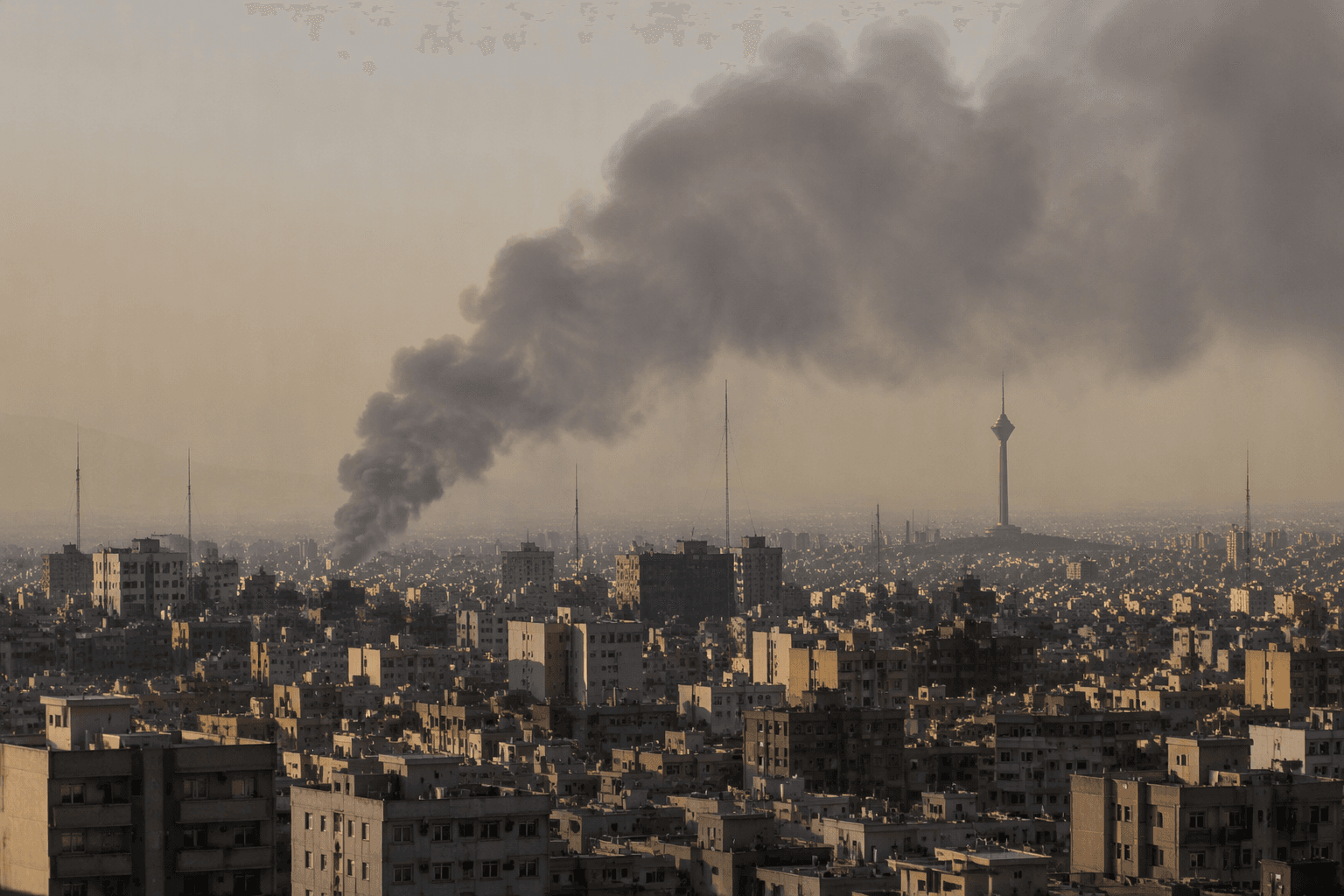
Tourist plane crash near Peru's Nazca Lines kills 13 people
A tourist plane went down outside Nazca, killing 13 people and renewing scrutiny of the small-aircraft flights that bring visitors over the lines.

A tourist plane crashed outside Nazca, Peru, on Saturday afternoon, killing all 13 people on board and turning fresh attention to the safety of the sightseeing flights that are a staple of the region’s tourism economy. The aircraft was on a flight in the Nazca area, where planes regularly carry visitors over the famous lines etched into the desert floor.
The Nazca Lines are massive geoglyphs carved about 2,000 years ago by the Nazca culture and are best seen from the air, which is why small aircraft have become part of the attraction itself. The lines draw international visitors to the Peruvian desert and sit at the center of a tourism market built around short overflights, even as repeated accidents keep raising questions about how tightly those flights are monitored.
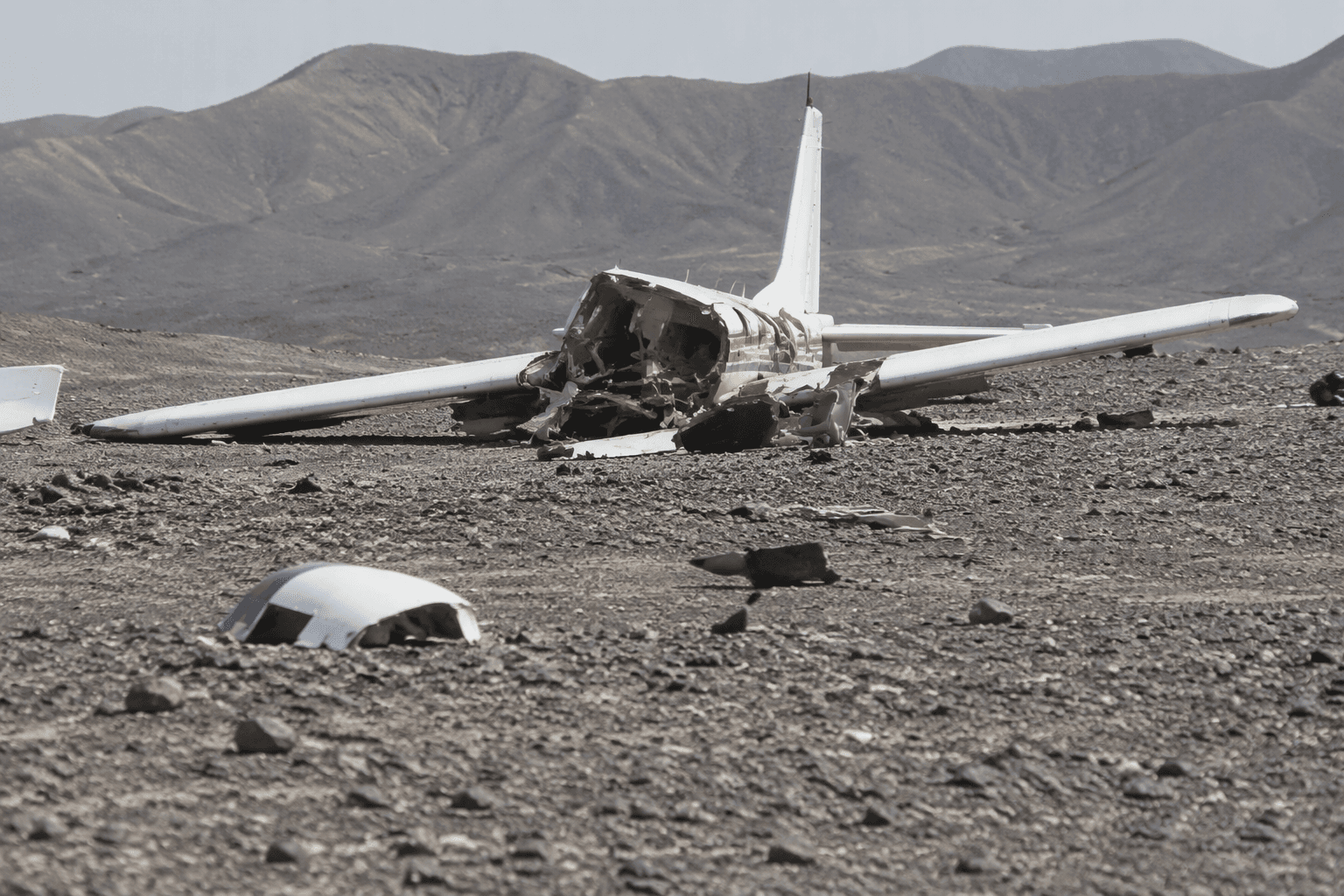
The crash also recalled an earlier disaster near the same site. On Oct. 2, 2010, a plane crashed near Peru’s Nazca Lines and killed six people, including four British tourists and two Peruvians. CNN’s report at the time said the plane took off around 4 p.m. and cited the state news agency Andina and police. The coincidence of another fatal crash in the same tourism corridor underscores how exposed the sector remains when operators are flying small planes in a high-volume sightseeing market.
Peru’s civil aviation system places oversight with the Directorate General of Civil Aviation, the country’s aviation authority, but the Nazca flights continue to rely on small operators selling a brief aerial experience that cannot be replicated from the ground. One search result identified the crashed aircraft as an Aerodiana flight, while Aerodiana’s own Nazca-facing pages advertise overflights of the lines. The company’s public-facing material and a separate traveler review point to the same market reality: the flights remain popular because the aerial view is the draw, even though the route has a documented history of fatal risk.
This article was produced by Prism’s automated news system from verified source data, official records, and press releases, then run through automated quality and moderation checks before publishing. The system is built and supervised by the people who set the standards it runs under. Read our full AI policy.
Did this article answer your question?