US warns Americans in Middle East to leave amid Iran tensions
The State Department told Americans across the Middle East to be ready to leave as new strike talk on Iran raised fears of another wider regional war.
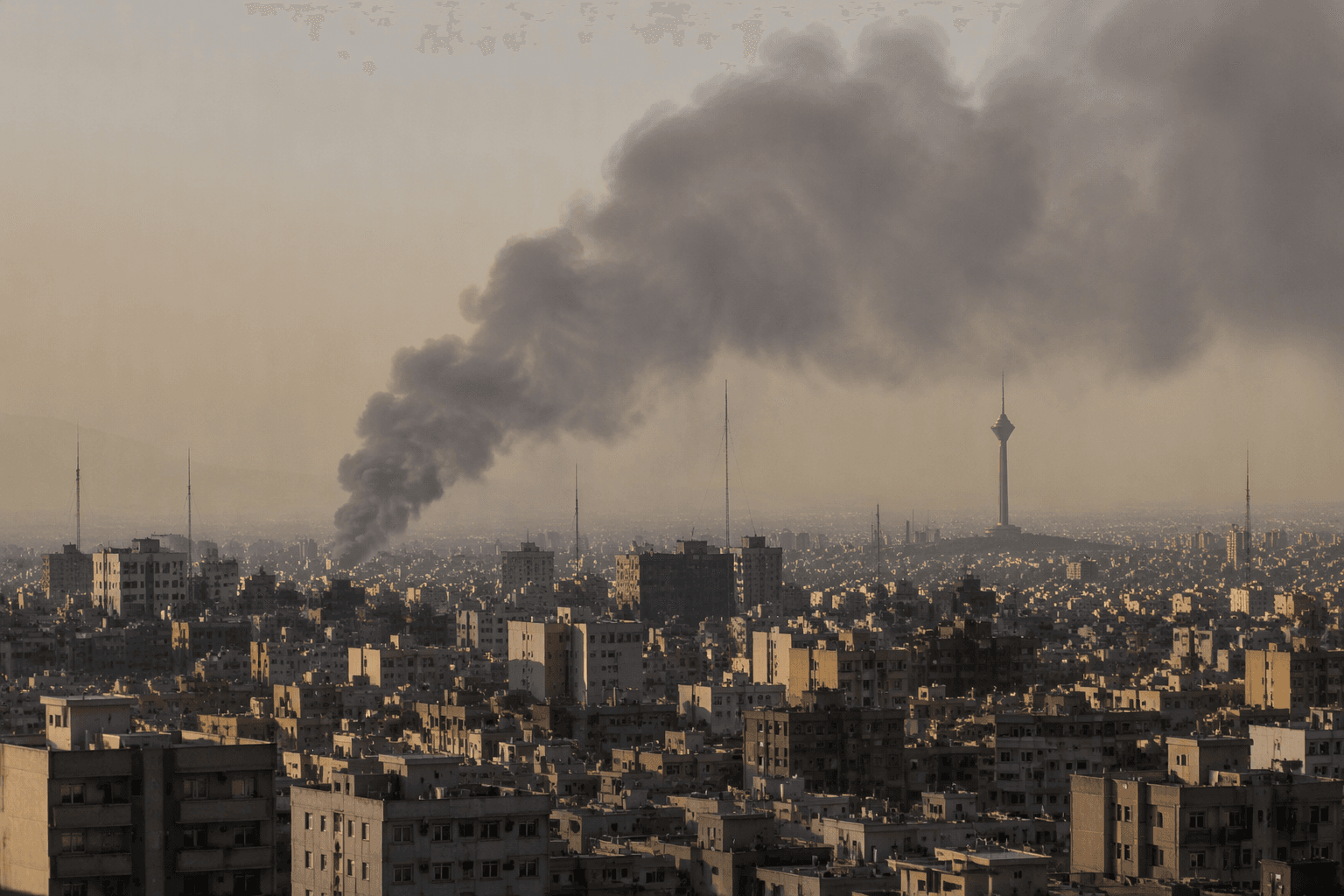
The State Department warned Americans across the Middle East to be alert and ready to leave if there is escalation, and President Donald Trump was planning a fresh round of strikes on Iran over the weekend. The warning reflects concern that the risks are no longer confined to Iran and Israel. US diplomatic facilities, including posts outside the Middle East, were targeted and Iran-linked groups are also a potential threat.
The security environment in the Middle East remains complex, with the potential for unforeseen escalation, and Americans there should exercise caution and heightened vigilance. It also warned of flight cancellations.
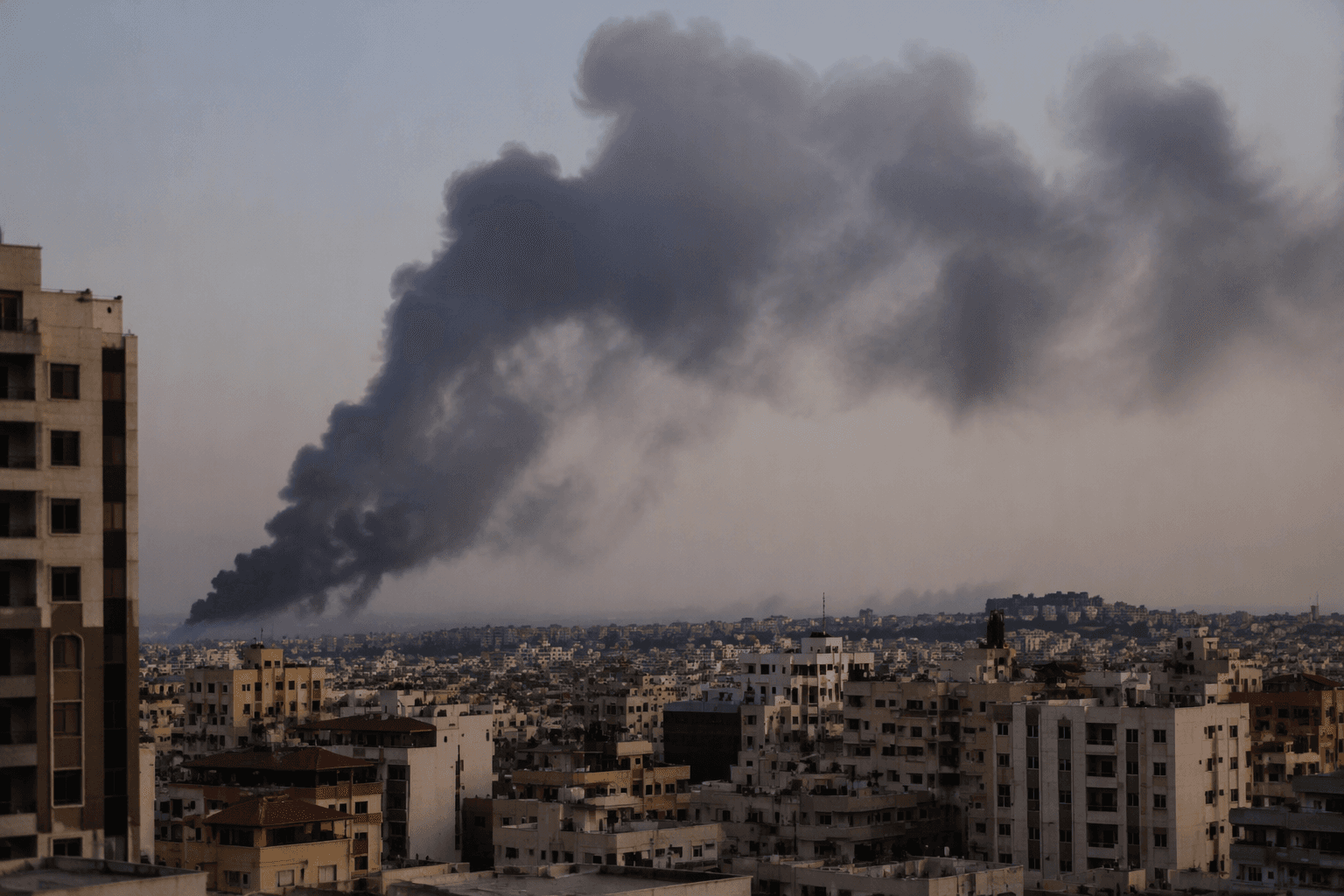
US embassies have warned American citizens to prepare for possible flight cancellations, airspace closures and travel disruptions, and the US Embassy in Jerusalem separately warned Americans to be ready for flight cancellations. For travelers trying to leave quickly, those notices point to a region where commercial routes can be cut off with little notice and where available flights may disappear before evacuees can get to an airport.
Last year’s 12-day war between Israel and Iran began when Israel launched strikes on 13 June 2025 against Iran’s nuclear program, ballistic missile sites and energy facilities and ended on 23 June 2025. On 22 June 2025, the State Department issued a worldwide caution telling Americans in the Middle East to exercise caution, keep up heightened vigilance and be prepared for flight cancellations. Embassy guidance in the region has also listed Iran, Iraq, Lebanon, Syria, Gaza and Yemen at Level 4, Do Not Travel.
By 2 March 2026, the United States was urging citizens to immediately depart more than a dozen Middle Eastern countries.
This article was produced by Prism’s automated news system from verified source data, official records, and press releases, then run through automated quality and moderation checks before publishing. The system is built and supervised by the people who set the standards it runs under. Read our full AI policy.
Did this article answer your question?