Flint cash program linked to healthier births, fewer NICU admissions
A Flint cash program gave pregnant residents $1,500 upfront and $500 a month, and researchers linked it to fewer preterm births and NICU stays.
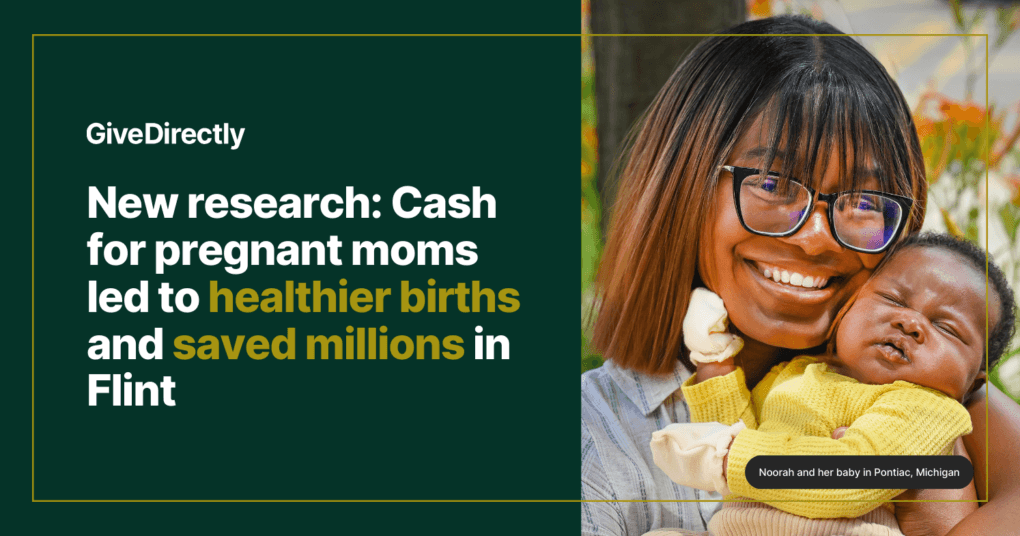
Cash with no strings attached is emerging as a public health tool, and Flint has become one of its clearest tests. In a city where about 59% of children lived in poverty, more than triple the national average, a program that put money directly into the hands of pregnant residents was tied to healthier births, fewer preterm deliveries and fewer NICU admissions.
Rx Kids launched in Flint, Michigan, in January 2024 and gave every pregnant person $1,500 during pregnancy, followed by $500 a month for the baby’s first year. Program organizers said it reached near-100% uptake among City of Flint newborns, an unusually broad rollout in a community that has long been at the center of debates over maternal health, poverty and infant well-being.
The strongest evidence came from a statewide analysis by researchers from Michigan State University and the University of Michigan, which examined more than 450,000 births across Michigan. In Flint, the study found healthier birth outcomes, including fewer preterm births and fewer NICU admissions. Researchers pointed to reduced smoking during pregnancy and increased prenatal care as likely pathways, suggesting the monthly cash was not just easing budgets but changing health behaviors during a critical period for fetal development.
A second study, based on survey data from more than 1,000 mothers in Flint and surrounding areas, showed how that money may have translated into day-to-day stability. Families reported a 91% decrease in evictions, and rent and mortgage debt fell by more than $1,000 on average. The same research also found improved access to nutrition, and reporting around the program described lower postpartum depression, underscoring how cash assistance can ripple through housing, food security and mental health as well as birth outcomes.
The findings arrive as policymakers continue to weigh whether direct payments during pregnancy deserve a place in the public health toolkit. Supporters of Rx Kids argue that poverty itself is a health risk factor in pregnancy and infancy, when finances often worsen just as babies are entering a crucial neurodevelopmental window. Critics of guaranteed-income programs still note that results across the broader field have been mixed, making Flint an important but not final answer.
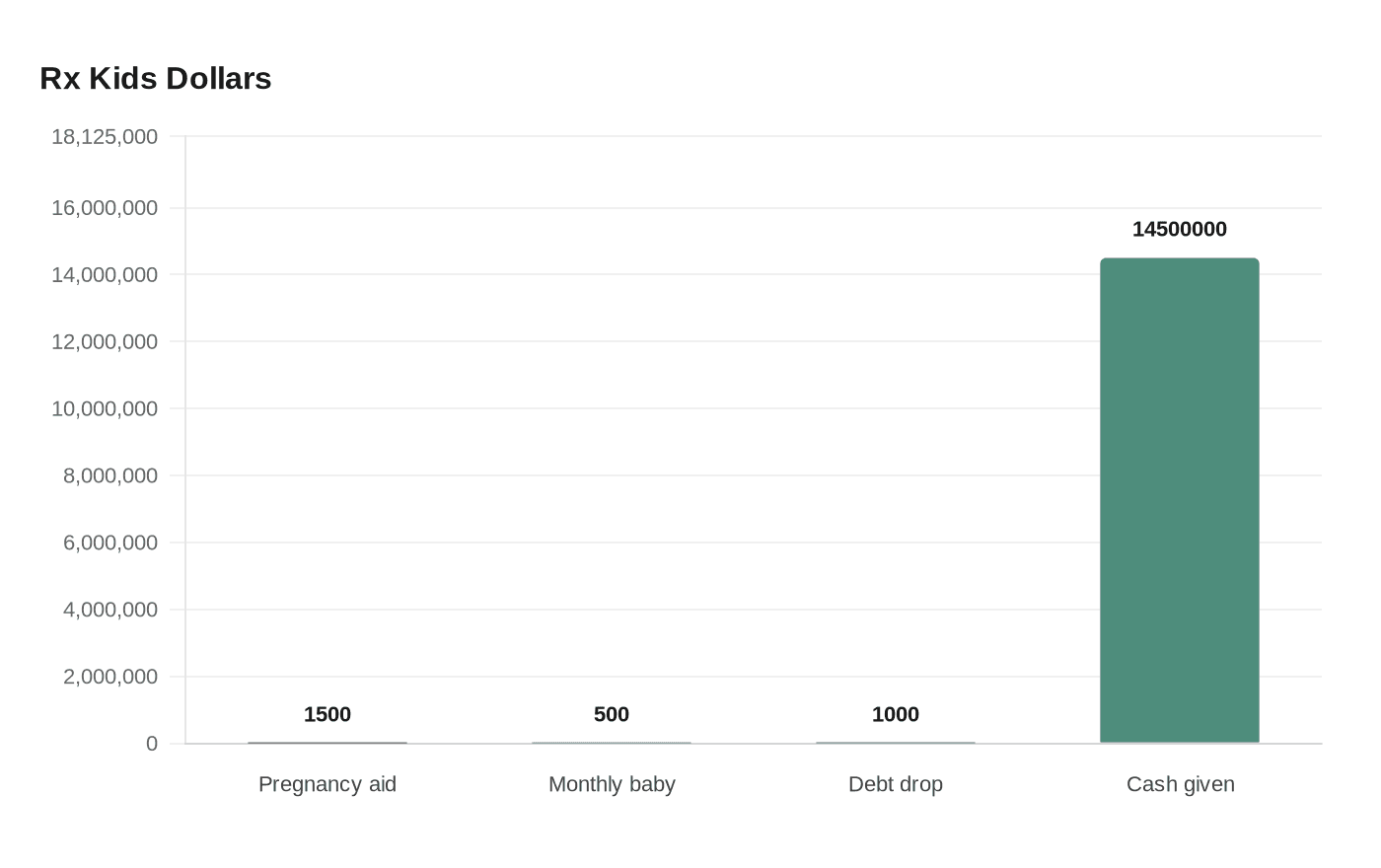
Still, the scale of the program has given it unusual momentum. Rx Kids leaders said it has expanded to 11 Michigan communities, reached more than 3,400 families and delivered over $14.5 million in cash prescriptions. For a city where need is acute and maternal health gaps are persistent, Flint’s early results have strengthened the case that a modest, unconditional payment can help move the needle on both family stability and infant health.
This article was produced by Prism’s automated news system from verified source data, official records, and press releases, then run through automated quality and moderation checks before publishing. The system is built and supervised by the people who set the standards it runs under. Read our full AI policy.
Did this article answer your question?