Flipper Devices unveils Flipper One, a pocket-sized Linux computer
Flipper Devices is reviving its original vision with Flipper One, a pocket-sized Linux computer it says will sit alongside, not replace, Flipper Zero.
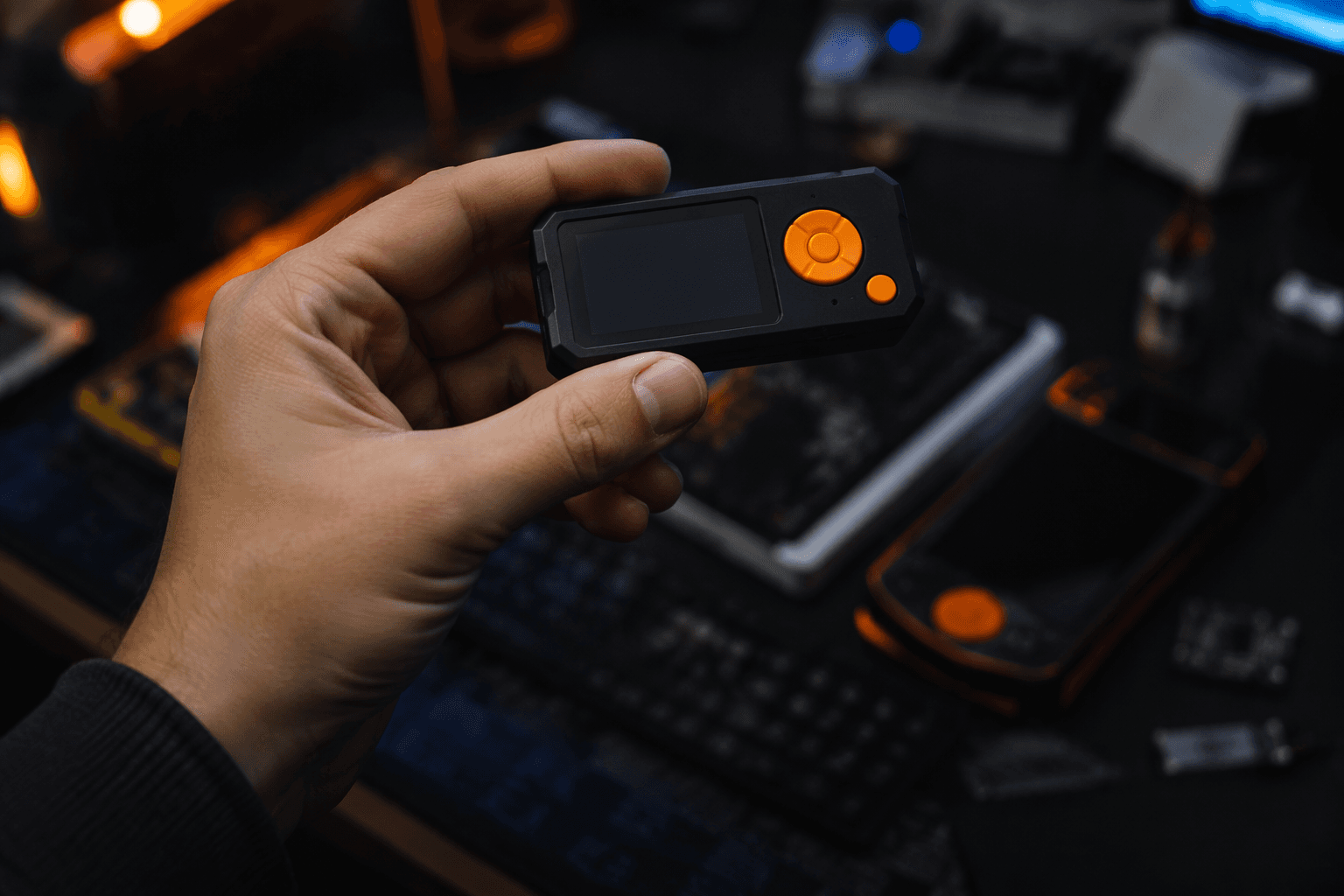
Flipper Devices is turning its original, more ambitious idea into a pocket-sized Linux computer that it says will sit beside, not replace, the controversial Flipper Zero. The company describes Flipper One as a separate project for different tasks, aimed at a broader class of users who want a small, open ARM machine rather than a pure radio and access-control tool.
The company said it has been working on Flipper One for years and rebuilt it from scratch several times. It is now asking the community to help develop the device because the project is financially and technically difficult. Flipper’s pitch is blunt: “Flipper One isn’t an upgrade to Flipper Zero - it’s a completely different project.” The goal is to build “the most open and best-documented ARM computer in the world,” with full mainline Linux kernel support and no binary blobs.
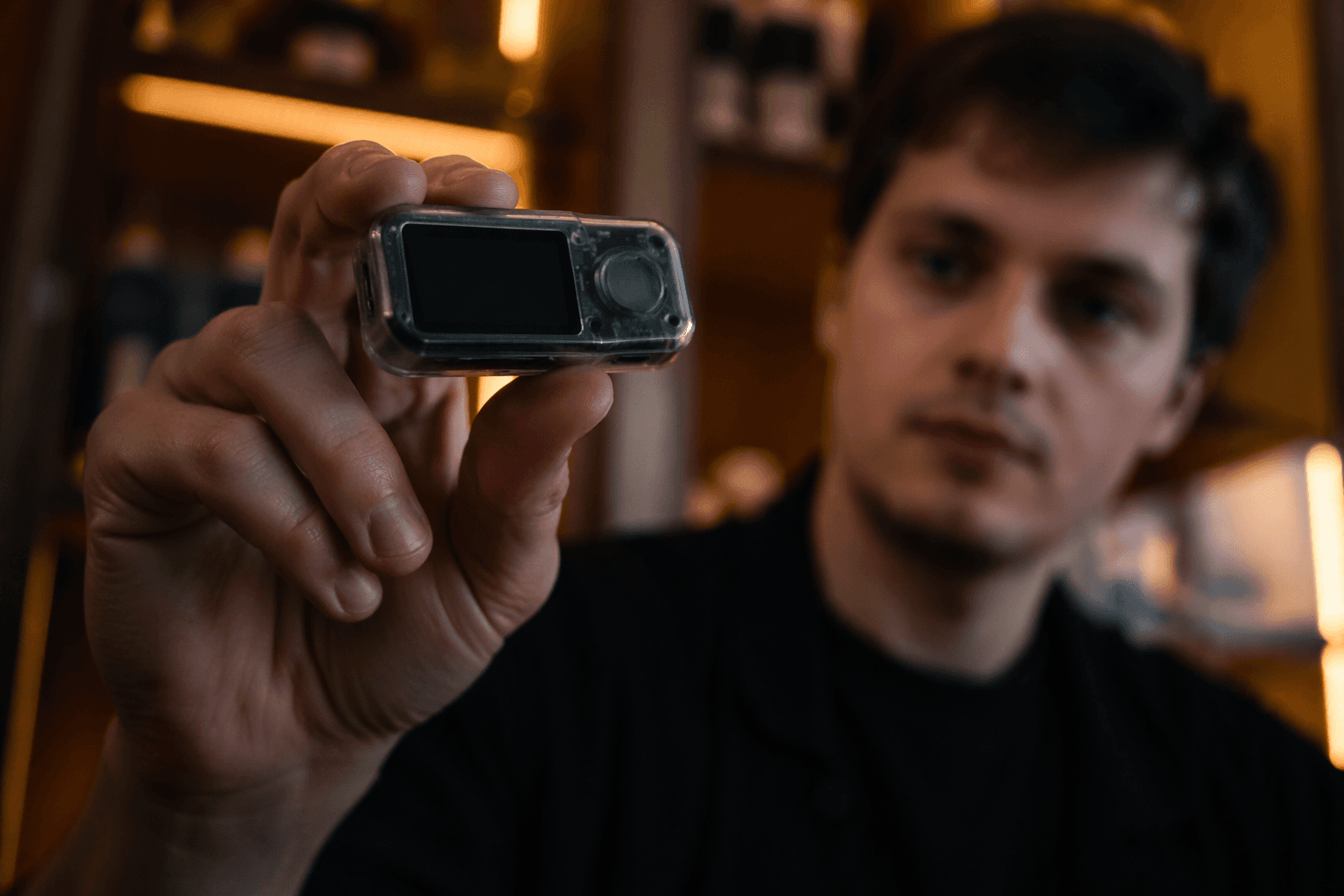
That openness is central to the appeal. Flipper One is designed with PCI Express, USB 3.0, SATA and M.2 expansion, turning the device into a modular platform rather than a fixed gadget. Flipper Devices says it will ship with 2x Gigabit Ethernet, USB Ethernet and Wi-Fi 6E, with optional 5G connectivity added through an M.2 modem. The company says the pocket-sized ARM Linux computer can serve as a router, VPN gateway, IP network analyzer, SDR-powered radio signal analyzer or local-AI device.
The product strategy highlights a sharp division inside Flipper’s hardware lineup. Flipper Zero, first announced in August 2020 through a Kickstarter campaign that raised $4.8 million, handles offline point-to-point protocols such as NFC, RFID, Sub-1 GHz radio, infrared and wired interfaces. Flipper One moves up the stack into IP-connected networking, data transfer and high-performance computing. That distinction matters because it separates the low-level security research use cases that made Flipper Zero famous from the more mainstream computing functions that could make Flipper One attractive to developers, network engineers and edge-AI tinkerers.
Flipper Devices says the Zero community has grown to more than half a million people, a sign that a niche hacking tool has already crossed into broader consumer awareness. Keeping Flipper Zero in production while introducing Flipper One gives the company a way to serve both camps: the users who want a pocketable access-control multi-tool, and the users who want a tiny Linux workstation with serious networking hardware. As devices like this become more powerful and more ordinary, the line between legitimate security research and consumerized hacking hardware will only get more visible to retailers, regulators and law enforcement.
Know something we missed? Have a correction or additional information?
Submit a Tip