Florida HIV Provider Loses $3.5M in Contracts After Opposing State Cuts
Florida's DOH refused to renew five AIDS Healthcare Foundation contracts worth $3.5M days after AHF's courtroom battles against DeSantis-era HIV cuts.
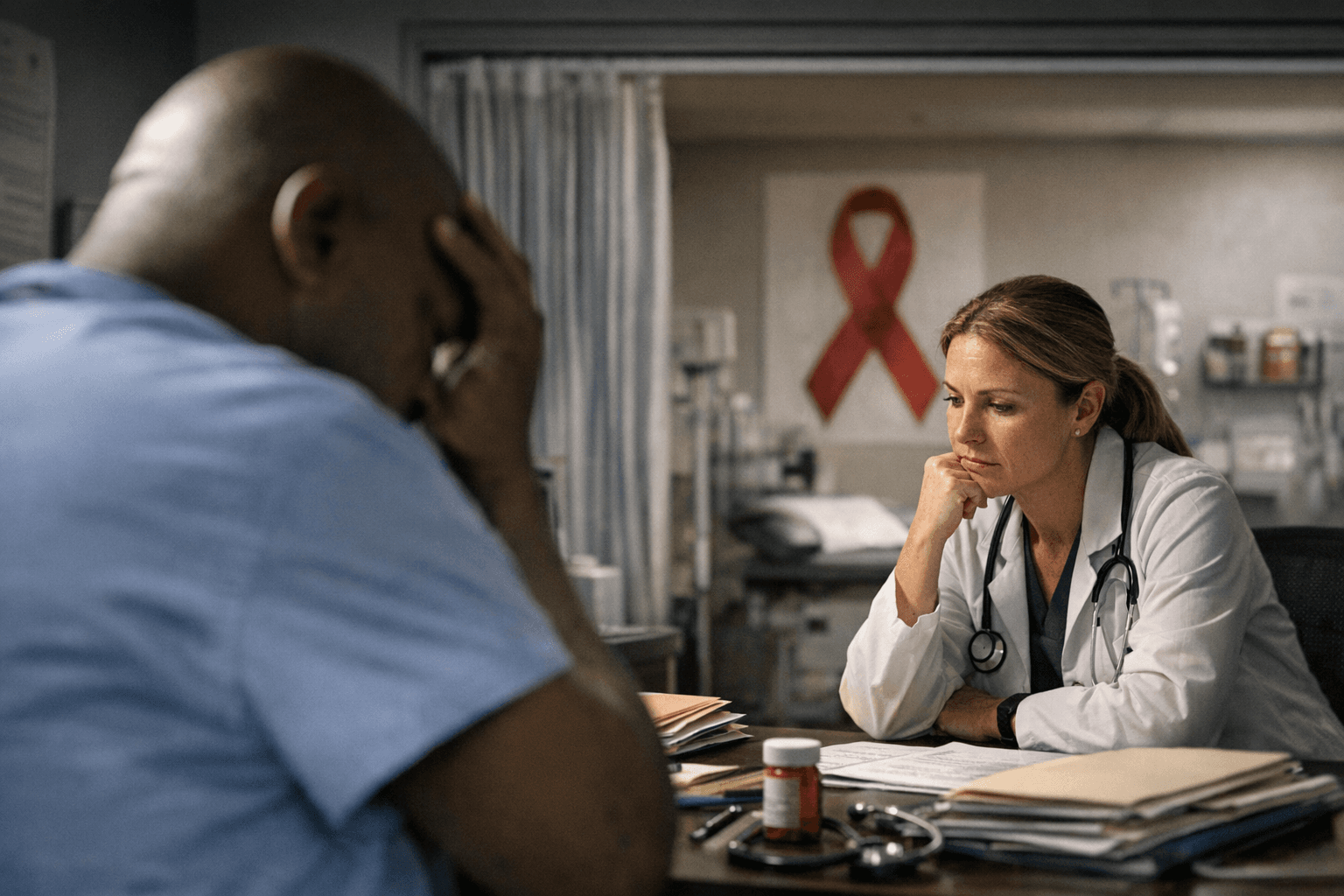
The AIDS Healthcare Foundation, the world's largest HIV/AIDS organization, lost five Florida state contracts worth a combined $3.5 million after mounting an aggressive legal and public campaign against the DeSantis administration's cuts to the state's AIDS Drug Assistance Program, with advocates calling the contract terminations outright retaliation.
The state Department of Health notified AHF that it would not renew five of its contracts to test and treat people with HIV and stop the spread of sexually transmitted infections. The notices arrived on March 31, the same day several of the contracts were set to expire.
The Miami-Dade County Health Department notified AHF via email on March 31 that it "would not be moving forward" with two new contracts for HIV and AIDS testing and treatment. Those contracts, which expired March 31 with new ones set to take effect April 1, were combined worth $63,362.48. The same email told AHF that its existing Housing Opportunities for Persons with AIDS Program agreement, valued at $830,544, would "expire as scheduled."
The DOH also said it would not renew a $2 million-plus contract in Broward County, where AHF contracts with the Broward County Health Department to operate an STI Testing and Treatment Center. That contract represents the single largest loss in the package and strikes at a county with one of the highest HIV infection rates in the country. AHF's director of advocacy and legislative affairs, Esteban Wood, noted that AHF was instrumental in lowering Broward County's new HIV infection rate from 40.8 per 100,000 people in 2017 to 19.2 per 100,000 in 2021.
The contracts ran the gamut: from helping with housing for people living with HIV and AIDS, to navigating people through complex health care systems, to operating a wellness center that provides free care for STIs.
AHF's Southern Bureau Chief Tracy Jones said the pattern is unmistakable. AHF, which filed a number of unsuccessful legal challenges in administrative and circuit court to stop the administration from reducing eligibility for the AIDS Drug Assistance Program as well as the medications clients can access, said the contracts are being cancelled in retaliation for its legal actions and support of rallies across the state calling attention to the cuts. "It was vicious, at best," Jones said.
Jones said the scope of harm in Broward County alone is difficult to comprehend. "The amount of people that will be harmed solely in Broward County because of our relationship with Broward County Health to provide these services for Broward County and then to have them pull the rug out from under patients who are in need of those services that the county is tasked to provide is just kind of head twisting," she said.
The contract decisions land at a particularly fraught moment. The Florida Legislature had just approved $31 million in stopgap ADAP funding following months of legal battles and bipartisan pressure, a rare concession from Tallahassee. Fort Lauderdale activist Michael Emanuel Rajner said the DOH moved to undercut that progress immediately. "Just when the Florida Legislature stepped forward with stopgap funding, the DOH is once again disrupting a system of care where clients are left trying to figure out how to navigate another problem because DOH leadership is more focused on being vindictive rather than effectively meeting the health needs of Floridians," Rajner said.
The DOH did not respond to requests for comment on AHF's allegations that the department is exacting revenge against the organization and whether the services will be terminated or offered by a different provider.
The backdrop to the contract fight stretches back to January, when the DeSantis administration announced it was slashing ADAP income eligibility from $62,600 annually to $20,748, removing the antiretroviral drug Biktarvy from the program formulary, and ending insurance premium assistance for ACA policyholders, all in response to what officials described as a $120 million funding shortfall. The National Alliance of State and Territorial AIDS Directors estimated that between 12,000 and 16,000 people in Florida would lose benefits under those policy changes.
AHF challenged the eligibility cuts in both administrative and circuit court. In March, a Leon County circuit judge denied AHF's emergency injunction request, clearing the way for the administration to proceed. Jones said AHF will challenge the contract termination notices and, for now, intends to continue providing services in Broward, Miami-Dade, Pinellas, and Lee counties regardless of whether state funding is restored.
Florida ranked third nationally in new HIV infections in 2022, accounting for 11 percent of cases diagnosed across the country. Losing specialized provider capacity built over years of community trust, public health experts warn, is rarely a straightforward thing to rebuild.
This article was produced by Prism’s automated news system from verified source data, official records, and press releases, then run through automated quality and moderation checks before publishing. The system is built and supervised by the people who set the standards it runs under. Read our full AI policy.
Did this article answer your question?