Florida man set for execution in 1996 infant murder case
A Florida man is set to die for killing his girlfriend’s 5-month-old daughter, in what would be the state’s eighth execution this year.

Andrew Richard Lukehart was scheduled to receive a three-drug lethal injection at 6 p.m. at Florida State Prison near Starke for the 1996 killing of 5-month-old Gabrielle Hanshaw, his girlfriend’s infant daughter. The 53-year-old was convicted in 1997 of first-degree murder and aggravated child abuse after prosecutors said he struck the baby in the head and later threw her body in a pond.
The case has carried a grim public record for nearly three decades. Court records say Lukehart was on probation for felony child abuse of another infant when Gabrielle Hanshaw was killed, and reports say he had pleaded guilty in 1994 to child abuse and was ordered to attend parenting and anger-management programs. Those details have made the case stand out not only for the brutality of the crime, but for what it reveals about the limits of earlier interventions around child safety and domestic violence.
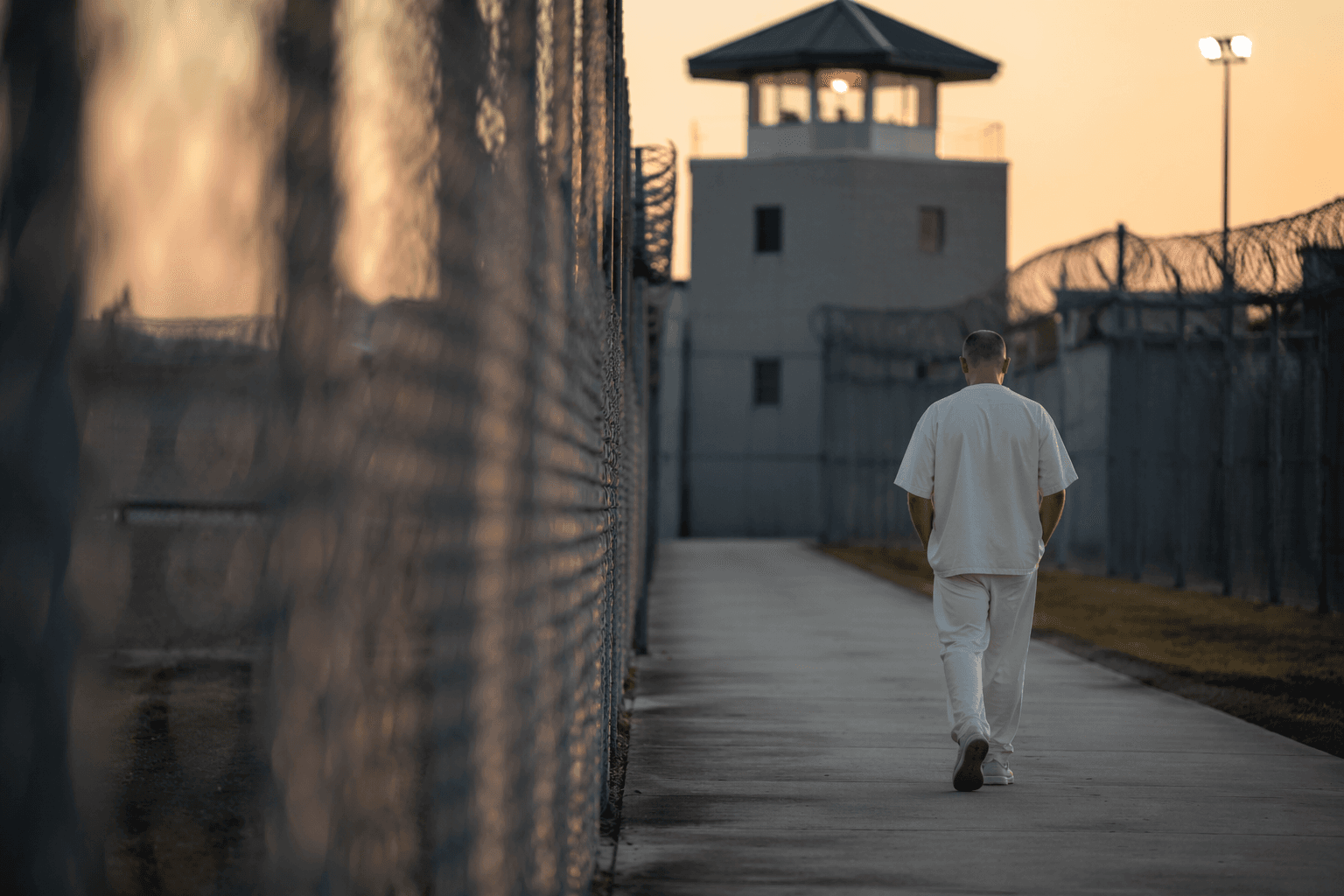
If carried out, Lukehart’s death would be Florida’s eighth execution of 2026, a pace that would deepen the state’s transformation into the nation’s most aggressive capital-punishment jurisdiction. Gov. Ron DeSantis signed the death warrant on May 1, 2026, and the Florida Supreme Court denied Lukehart’s final appeal on May 27, 2026. Another execution in Florida was already scheduled later in June, reinforcing how quickly the state has moved through death warrants this year.
Florida carried out a record 19 executions in 2025, more than any other state and about 40 percent of all U.S. executions, according to the Death Penalty Information Center. The state’s previous single-year record was eight, set in 2014. The rise has put Florida at the center of a national debate over whether executions are being used as a political signal, a deterrent, or both, and whether such an accelerated schedule reflects public safety priorities or a broader hard-line posture from state leaders.
For the family of Gabrielle Hanshaw, the execution date closes a case rooted in the death of a 5-month-old child. For Florida, it marks another step in a year that has already rewritten the state’s place in the modern death-penalty landscape.
This article was produced by Prism’s automated news system from verified source data, official records, and press releases, then run through automated quality and moderation checks before publishing. The system is built and supervised by the people who set the standards it runs under. Read our full AI policy.
Know something we missed? Have a correction or additional information?
Submit a Tip