Kilauea sets eruption record with 48th lava-fountaining episode
Kīlauea’s latest burst lasted just under nine hours and sent fountains 650 feet high, pushing the summit eruption past a 47-episode record.

Kīlauea has now done something no eruption at the volcano has done before: it produced a 48th lava-fountaining episode in a single summit eruption, a milestone that gives volcanologists a rare benchmark for how the Halemaumau system is behaving in real time.
Episode 48 began at 4:40 a.m. HST on June 1 and ended abruptly at 1:37 p.m., after just under nine hours of continuous fountaining from the north vent. The fountains briefly reached about 650 feet, then eased to roughly 425 to 500 feet before the eruption stopped. In the final minute, the vent shifted to gas jetting, and the summit eruption was left paused again.
The new record is significant because the current eruption, which began on December 23, 2024, is still part of the same long-running event as lava continues to emerge from the same vents at Kīlauea’s summit. It has now surpassed the 47 fountaining episodes seen in the opening years of the Puuōō eruption from 1983 to 1986, making it one of only three similar episodic-fountaining eruptions in Kīlauea’s recorded history.
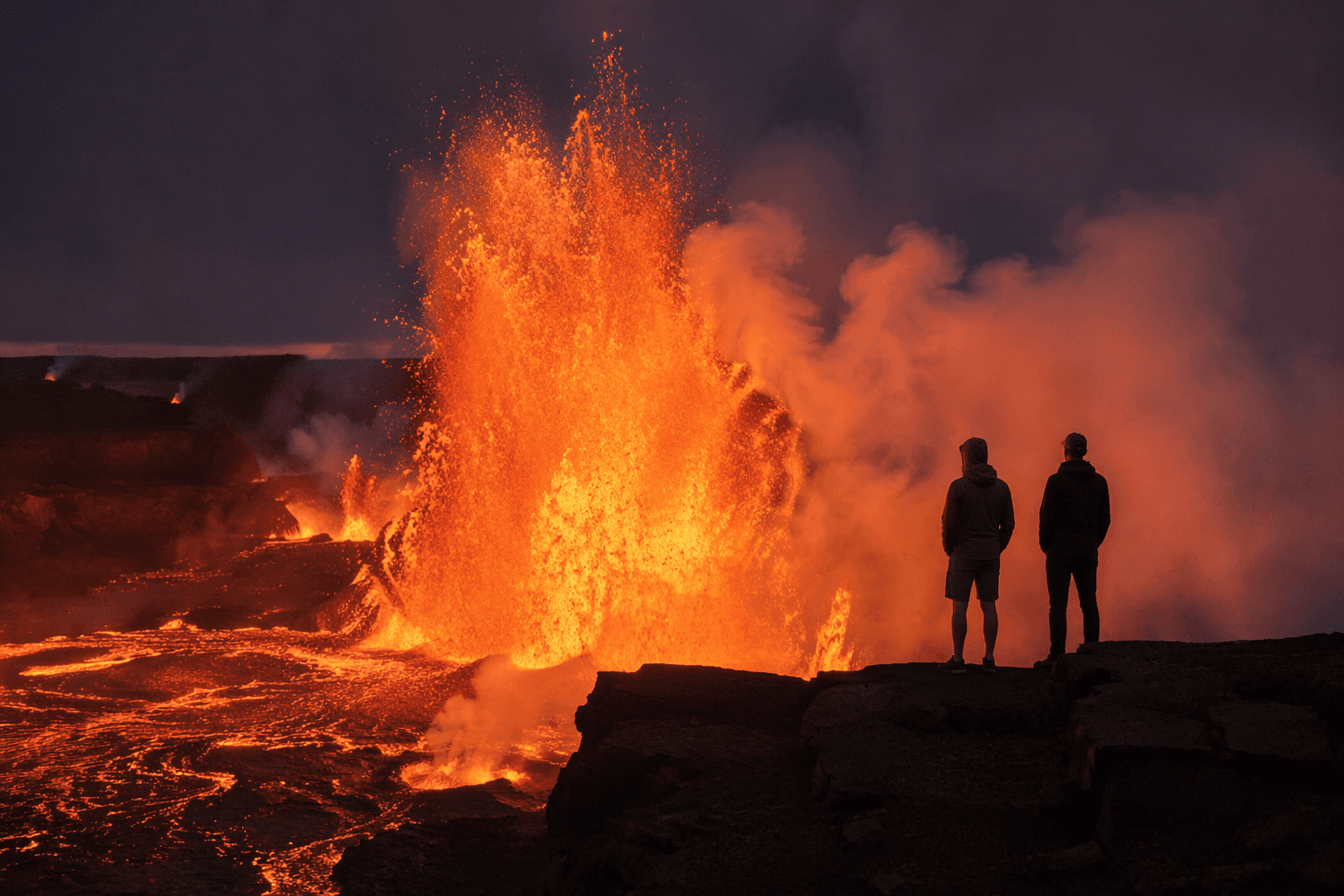
For scientists, that comparison matters. The repeated bursts, the summit deflation measured by the U.S. Geological Survey, and the changing fountain heights help researchers track how magma and gas are moving beneath Halemaumau crater. The latest episode also shed light on how the eruption can build and weaken in a matter of hours, with the effusion rate falling from about 400 cubic yards per second to about 130 cubic yards per second before the eruption shut down.
The public impact has been immediate and visible. Light to moderate tephra fall reached Hawaii Volcanoes National Park and Highway 11 near Nāmakanipaio Campground, while fine ash and Peles hair were reported in Volcano village, Mauna Loa Estates, Ohia Estates and Royal Hawaiian Estates. Park staff had already been clearing ash, rock and glass from roads and overlooks after earlier episodes, a reminder that even when the lava stays inside the park, its hazards do not stay neatly contained.
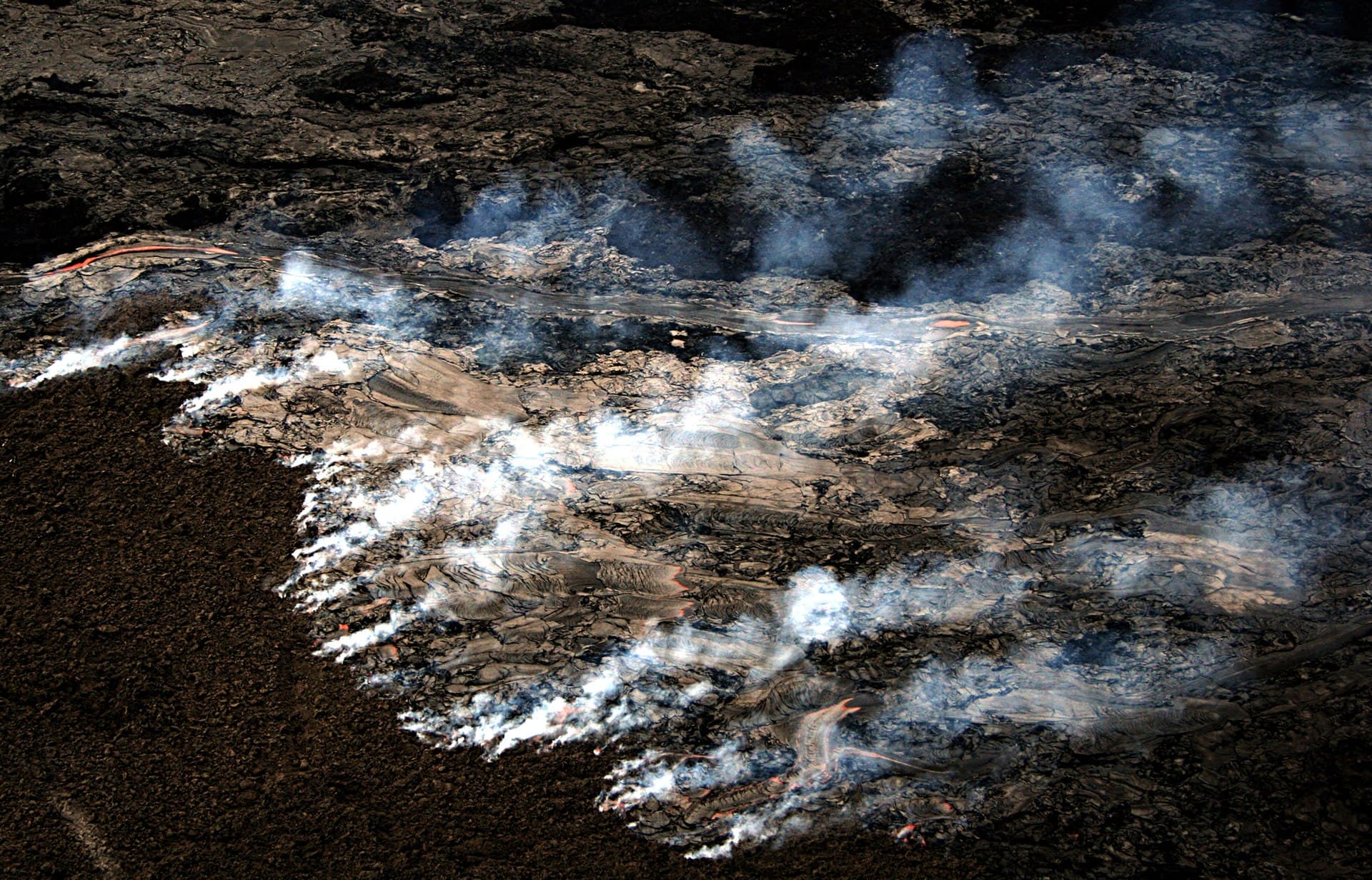
Hawaii Volcanoes National Park has warned that light or southerly winds can carry tephra and volcanic gas far enough to trigger temporary closures. The eruption is entirely within the park, and viewing is sometimes possible from overlooks along Crater Rim Drive, but conditions can change quickly with weather, crowds and volcanic hazards. The record does not mean the summit is safe, and it does not by itself signal a larger eruption is imminent. It does show how closely residents, visitors and emergency officials must watch a volcano that is still rewriting its own history.
This article was produced by Prism’s automated news system from verified source data, official records, and press releases, then run through automated quality and moderation checks before publishing. The system is built and supervised by the people who set the standards it runs under. Read our full AI policy.
Know something we missed? Have a correction or additional information?
Submit a Tip