Flushing watches Trump China visit amid tariffs, Taiwan tensions
Flushing residents split between hopes for calmer U.S.-China ties and fears over Taiwan, tariffs and anti-Asian backlash.
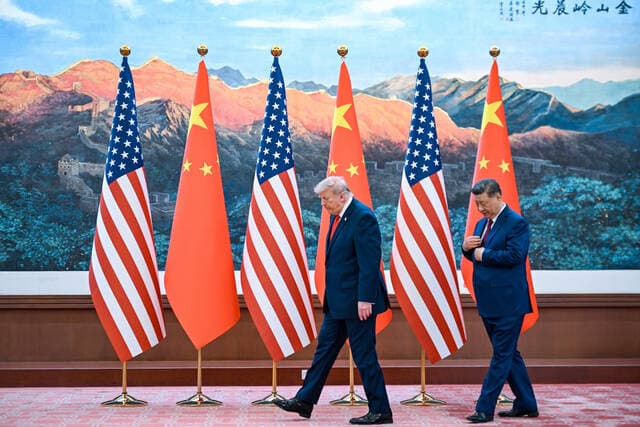
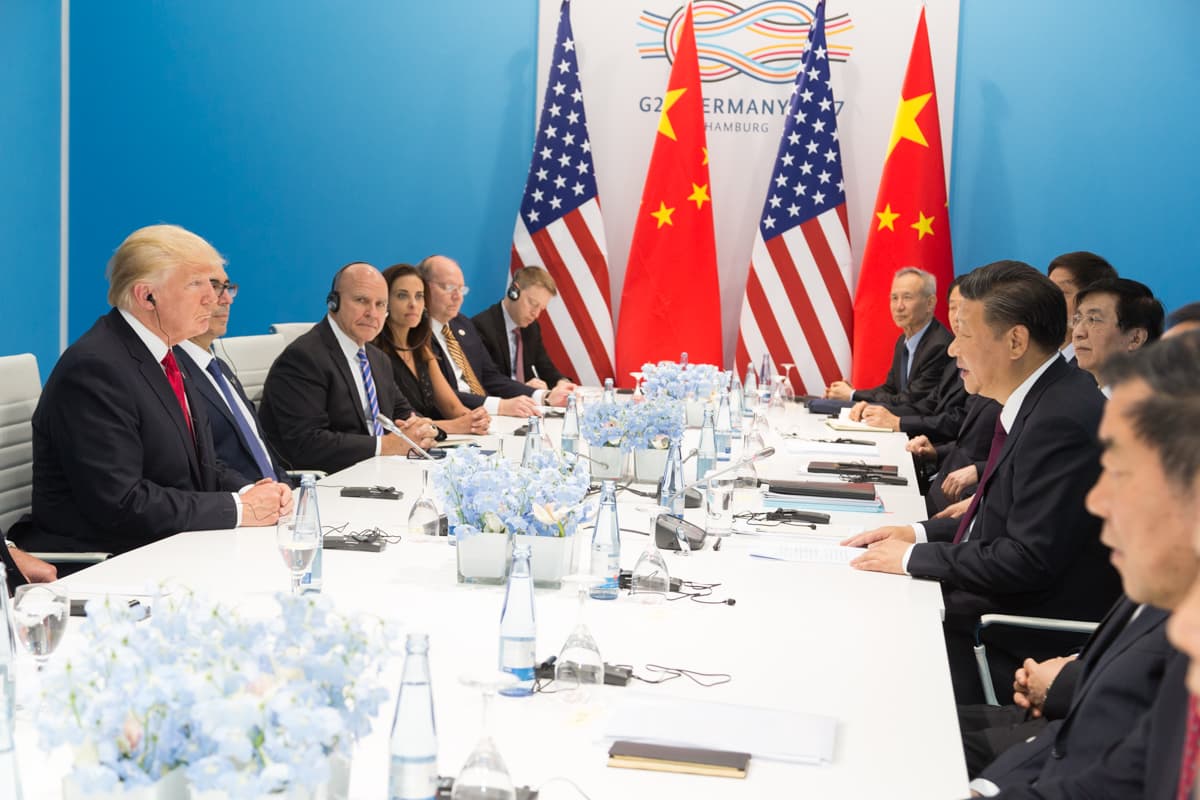
In Flushing, the Trump-Xi summit landed as both a geopolitical test and a neighborhood conversation, with two dozen residents describing a mix of optimism, caution and pride in the ties that connect Queens to China, Taiwan, Hong Kong and Vietnam. The meeting in Beijing came against tensions over tariffs, trade, Taiwan, Iran, rare earths and artificial intelligence, and it was the first U.S.-China presidential summit in Beijing in nearly a decade.
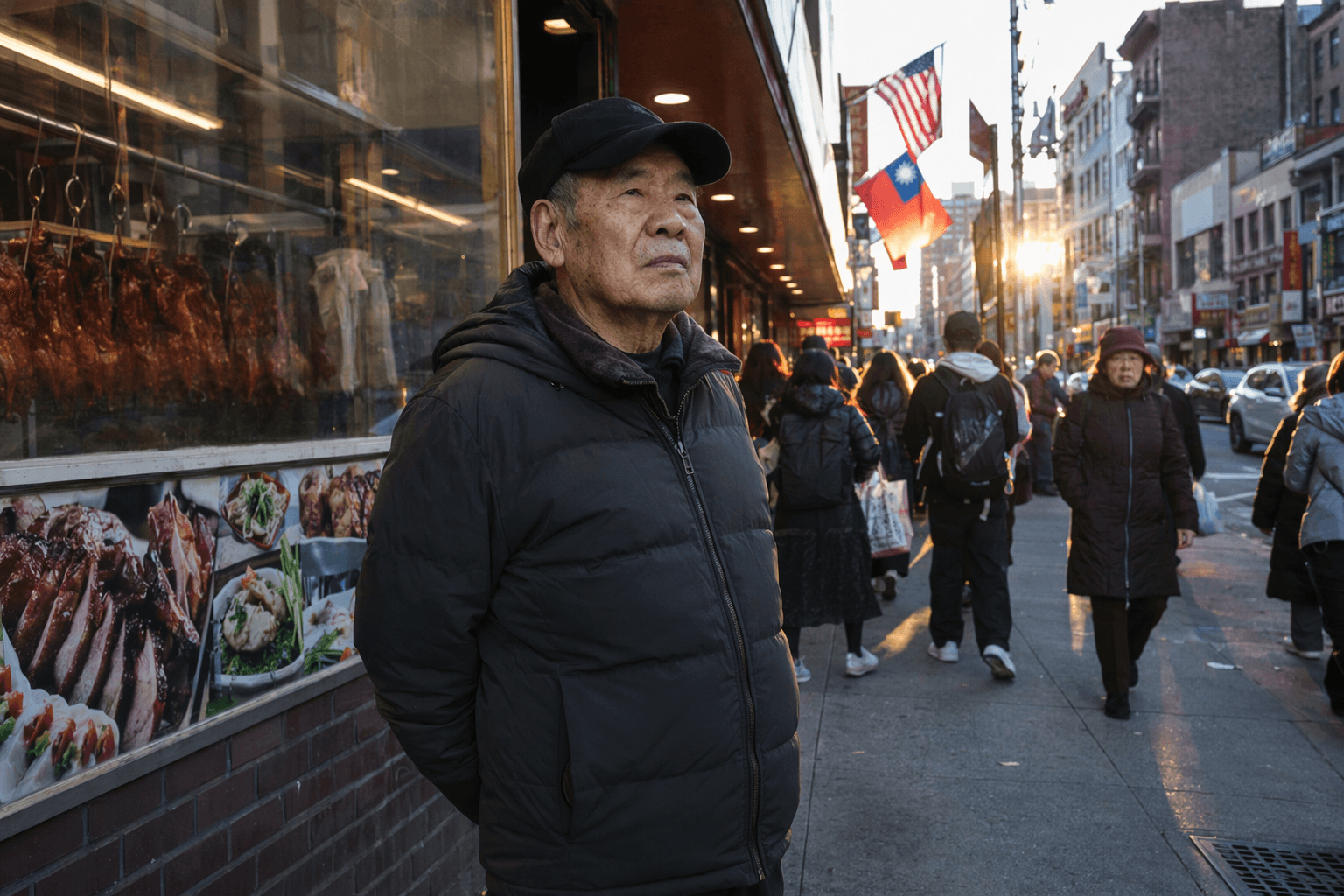
For some longtime residents, the prospect of steadier relations carried clear economic meaning. One Queens man in his 70s, born in China, said, “A strong U.S. and a strong China benefits everyone.” Others drew sharper lines around Taiwan. A Taiwanese-born man in Flushing said, “China and Taiwan have nothing in common.” A Hong Kong-born man said he hoped Xi Jinping would allow more freedoms in mainland China and worried about reduced freedoms in Hong Kong.
Xi warned Trump that mishandling Taiwan could put the relationship in “great jeopardy,” underscoring how quickly any diplomatic thaw can run into the island’s status. The talks were expected to cover not only Taiwan, but also tariffs, trade, Iran, rare earths and artificial intelligence, a reminder that the relationship now sits at the center of both global security and supply-chain policy. For Trump, the trip was his first to China since 2017.
Flushing’s reaction carried weight because the neighborhood is one of New York’s clearest demographic bellwethers. City figures show more than half of New York City’s Asian and Pacific Islander immigrants live in Queens. Flushing Community District has about 70,000 Chinese immigrants, more than double Manhattan Chinatown’s 32,000. Queens County is 28.1% Asian, and 55.4% of residents speak a language other than English at home, according to Census Bureau estimates.
The community’s political organizing has also become more visible. Wu Yiping of Asian American Cohesion has said the group was started during the pandemic to protect Asian Americans against anti-Asian hate, a response shaped by the surge in hate crimes and bias incidents that city officials say API communities faced during and after COVID-19. CBS cited FBI data showing more than 300 attacks on Asians in the U.S. were reported last year, still above pre-pandemic levels. That backdrop gives Flushing’s response to Trump’s China trip a sharper edge: residents want stability, but they are watching closely for nationalism, surveillance and any new wave of backlash.
Know something we missed? Have a correction or additional information?
Submit a Tip