Food insecurity rises above pandemic levels, New York Fed finds
Food insecurity rose above summer 2020 levels as 10% of households struggled to get enough food and nearly 16% relied on donations.
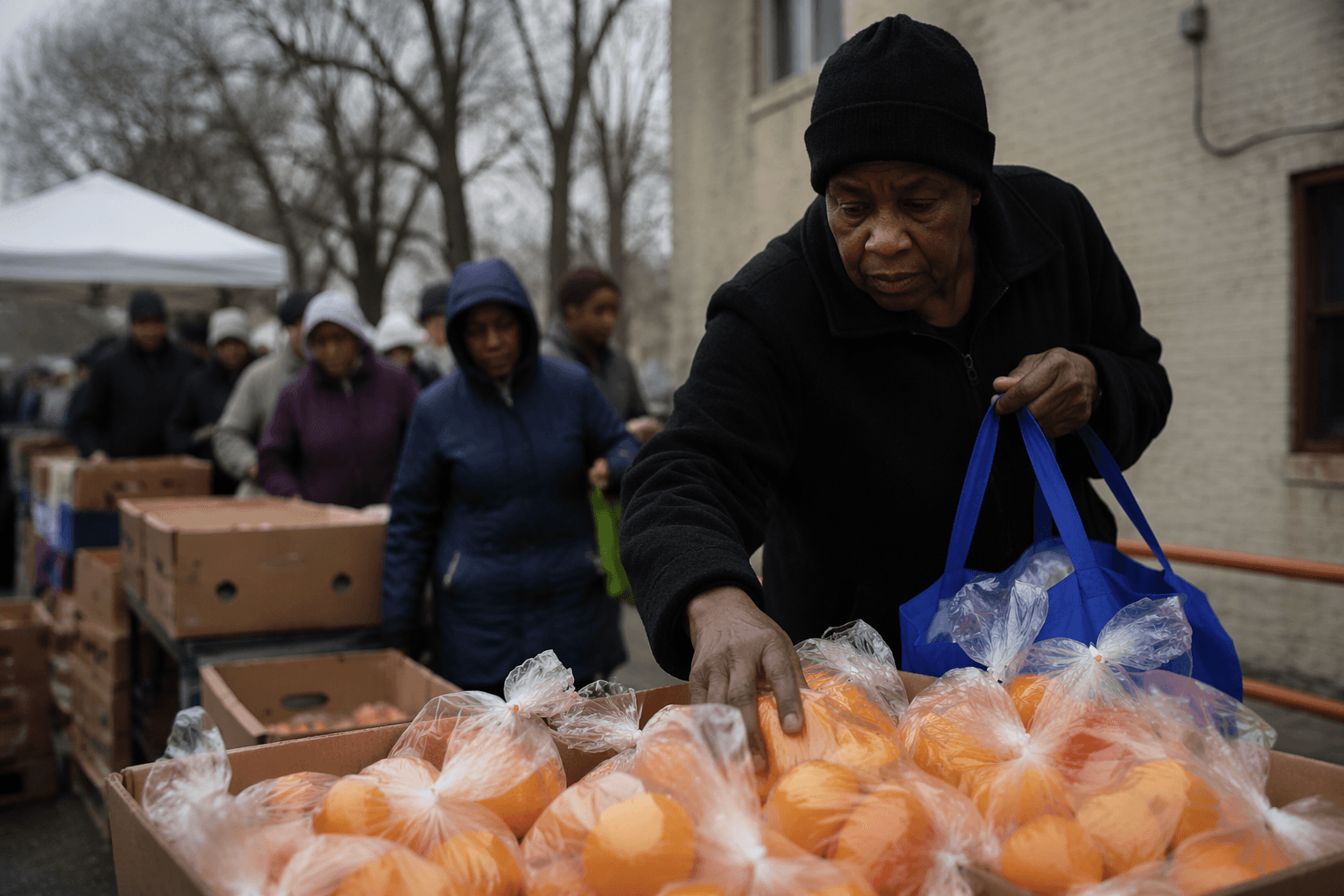
Food insecurity in the United States has climbed above pandemic-era levels, even as unemployment stays low and consumer spending holds up. The New York Fed said its latest survey found a “remarkable increase” in hunger, with the sharpest strain hitting lower-income households, less-educated households and families with young children.
The bank said food insecurity was higher in February 2026 than in the summer of 2020, reversing an assumption that the worst disruptions belonged to the early pandemic. The findings came from supplemental questions in the October 2025 and February 2026 rounds of the Survey of Consumer Expectations, the monthly internet-based survey the New York Fed has run since June 2013 with a rotating panel of about 1,200 nationally representative U.S. household heads.
The numbers point to broad stress beneath the surface of a still-solid macroeconomy. Reporting on the survey found that 10% of households said they struggled to obtain enough food and nearly 16% relied on food donations. Among households earning less than $50,000 a year, nearly 20% said they skipped meals or went without. The New York Fed linked that rise to a “K-shaped” economy in which higher-income households continue to do well while many others face mounting strain.
That split matters because it shows how far household experience can diverge from headline indicators. The New York Fed said consumer sentiment has fallen near or below the low levels seen during the Great Recession and the pandemic, despite low unemployment, historically high household net wealth and resilient consumer spending. In other words, the broad economy is expanding, but many families are not feeling the gains.
The survey also helps explain why the current cycle looks worse than the pandemic for some households. During the COVID-19 emergency, food insecurity was partly cushioned by government relief payments and supplemental unemployment benefits. Those supports have long since expired, while food prices and other living costs remain elevated, leaving more families exposed to even small financial shocks.
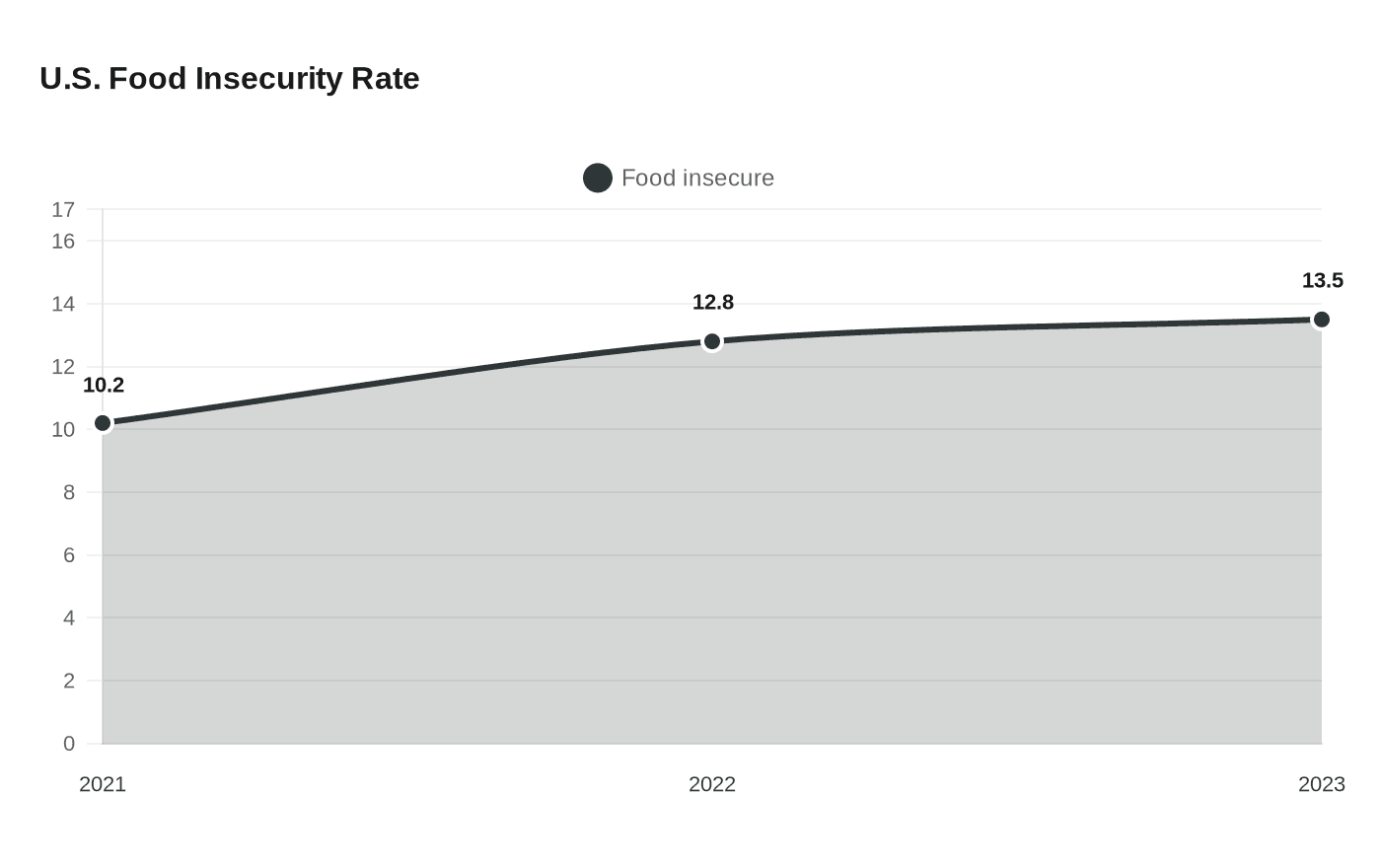
The latest figures fit a wider pattern. The Office of the New York State Comptroller said in May 2024 that one in ten New York households, about 800,000, experienced food insecurity at some point from 2019 to 2021. The U.S. Department of Agriculture estimated that 11.2% of U.S. households were food insecure in 2020-22, the first increase in more than a decade. A 2025 JAMA Health Forum study found the national rate held near 10.2% in 2021, then jumped to 12.8% in 2022 and 13.5% in 2023.
In Augusta, Georgia, Amy Breitmann of Golden Harvest Food Bank said some families line up two to three miles the night before a distribution begins and sleep in their cars. Nicole Williams of the Community Food Bank of Central Alabama said hunger can be a neighbor’s problem, pushed into view by a gas bill, a car repair or a medical expense. The New York Fed planned a press call later Tuesday to discuss the research.
This article was produced by Prism’s automated news system from verified source data, official records, and press releases, then run through automated quality and moderation checks before publishing. The system is built and supervised by the people who set the standards it runs under. Read our full AI policy.
Know something we missed? Have a correction or additional information?
Submit a Tip