Forehand reverse flick shows promise as short-return option
A pilot kinematic study finds the forehand reverse flick is learnable and feasible. elite players reached about 86% success after seven days of focused training.
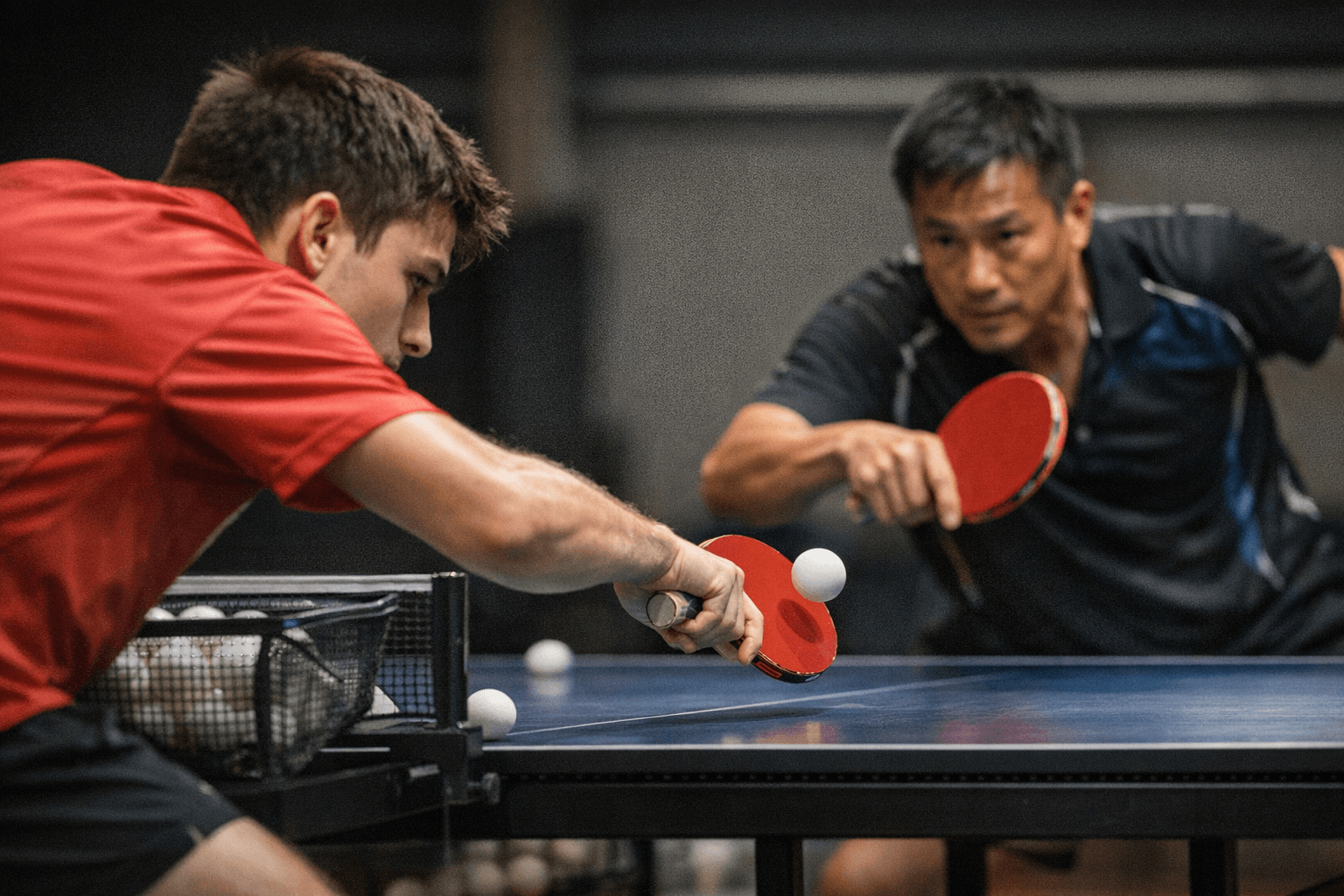
A new pilot kinematic study tested a short-return alternative called the forehand reverse flick (FRF) and found it both feasible and learnable for elite players. Four elite athletes completed seven consecutive days of FRF-specific training while researchers tracked racket motion with infrared motion capture and ultra-high-speed video, then compared FRF against the conventional backhand flick (BF) on a suite of biomechanical and ball-flight measures.
The clearest headline: FRF success climbed steadily through the week-long program and finished at roughly 86% success rate, demonstrating rapid adaptation in experienced players. Racket and ball speeds for FRF were on par with the backhand flick, meaning the move can match the pace players expect from a short flick. That said, the FRF generated noticeably less spin than the BF—about 64% of the spin level produced by the backhand flick on average—which has direct tactical implications for placement and follow-up options.
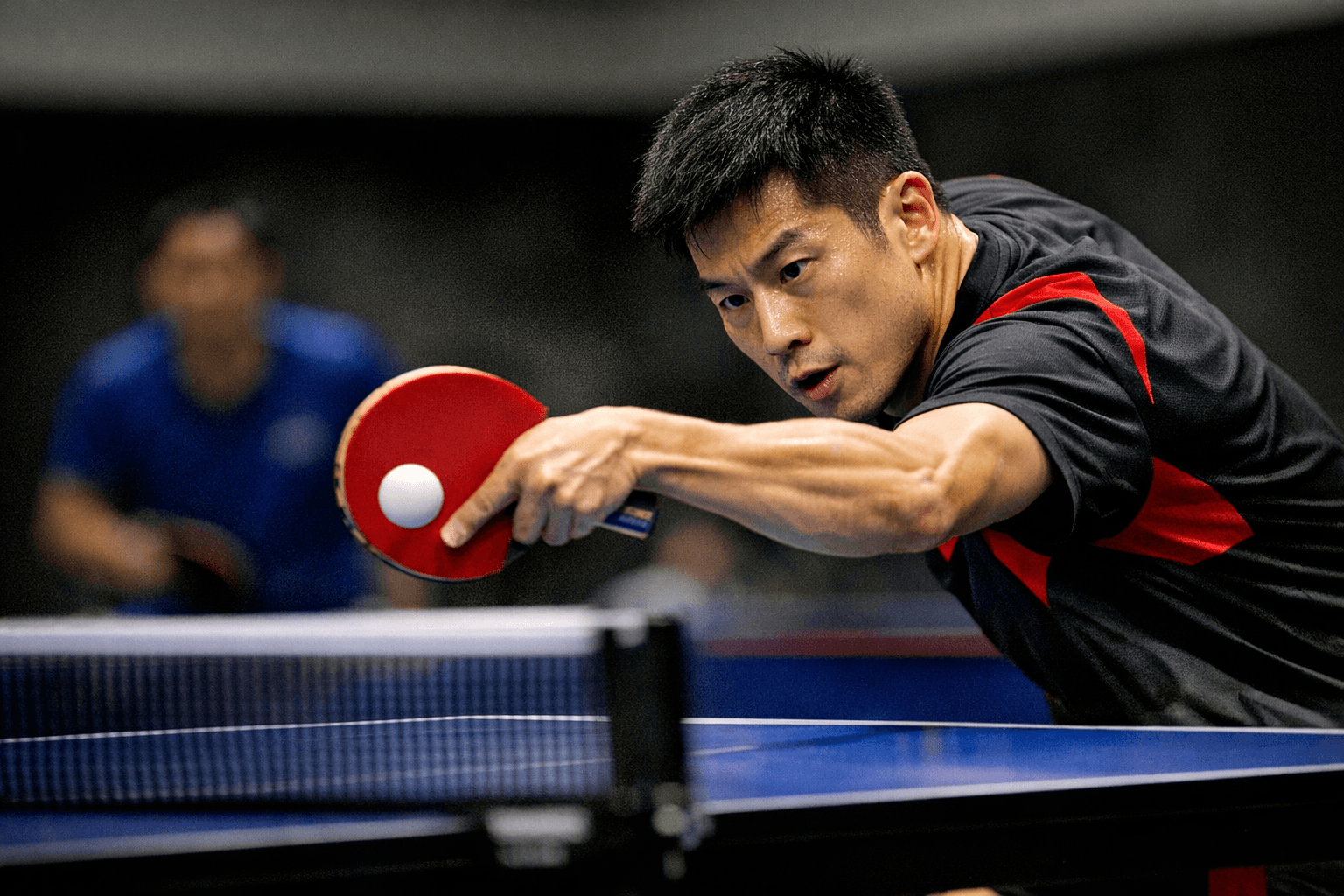
Kinematically, researchers reported that horizontal racket trajectories for FRF and BF were highly similar, while vertical motion diverged. The FRF showed a slightly longer movement duration, about 0.03 seconds more, and produced lower resultant acceleration compared with the backhand flick. Those differences help explain the reduced spin despite comparable linear velocities: less vertical whip and lower peak acceleration translate to less rotational impulse on the ball.
For coaches and club players, the takeaway is practical. FRF offers a viable short-return tool, especially on forehand-side short pushes where executing a backhand flick can compromise recovery or court continuity. Because FRF can reach competitive ball speeds but with lower spin, players may need to adjust racket angle and timing drills to regain top spin or use flatter returns as a tactical choice. The study supplies initial kinematic numbers that can inform progressions: focus on developing vertical acceleration and wrist snap if you want to close the spin gap, or exploit the lower-spin FRF for quicker rallies and unexpected placement.

Researchers recommend further optimization and competitive testing before FRF becomes a staple in match play. For now, integrate the FRF into short-ball drills, train it under serve variation, and run recovery-focused patterns to see how it affects your third-ball readiness. Our two cents? Try the FRF in practice with intent—work the vertical motion and acceleration cues, and measure whether the extra tool improves your forehand-side short-ball problem or just adds a new weapon to your flick arsenal.
Sources:
Know something we missed? Have a correction or additional information?
Submit a Tip