Former Army soldier jailed after arson attack at Manhattan federal building
A former Army soldier was jailed without bail after prosecutors said he planned for months to ignite a blaze outside 26 Federal Plaza.
Andrew Arrabaca, a 43-year-old former U.S. Army soldier, was jailed without bail after prosecutors said he plotted for months to ignite a blaze outside 26 Federal Plaza in Lower Manhattan. The federal building houses the New York Federal Plaza Immigration Court and ICE-related offices, putting the case at the intersection of law enforcement, immigration politics and public safety.
Prosecutors charged Arrabaca with arson after what they described as a planned attack, not a spur-of-the-moment outburst. Investigators believed he had considered other New York City targets as well, a detail that deepened concerns that the episode was premeditated before it turned into a fire outside a crowded government complex.
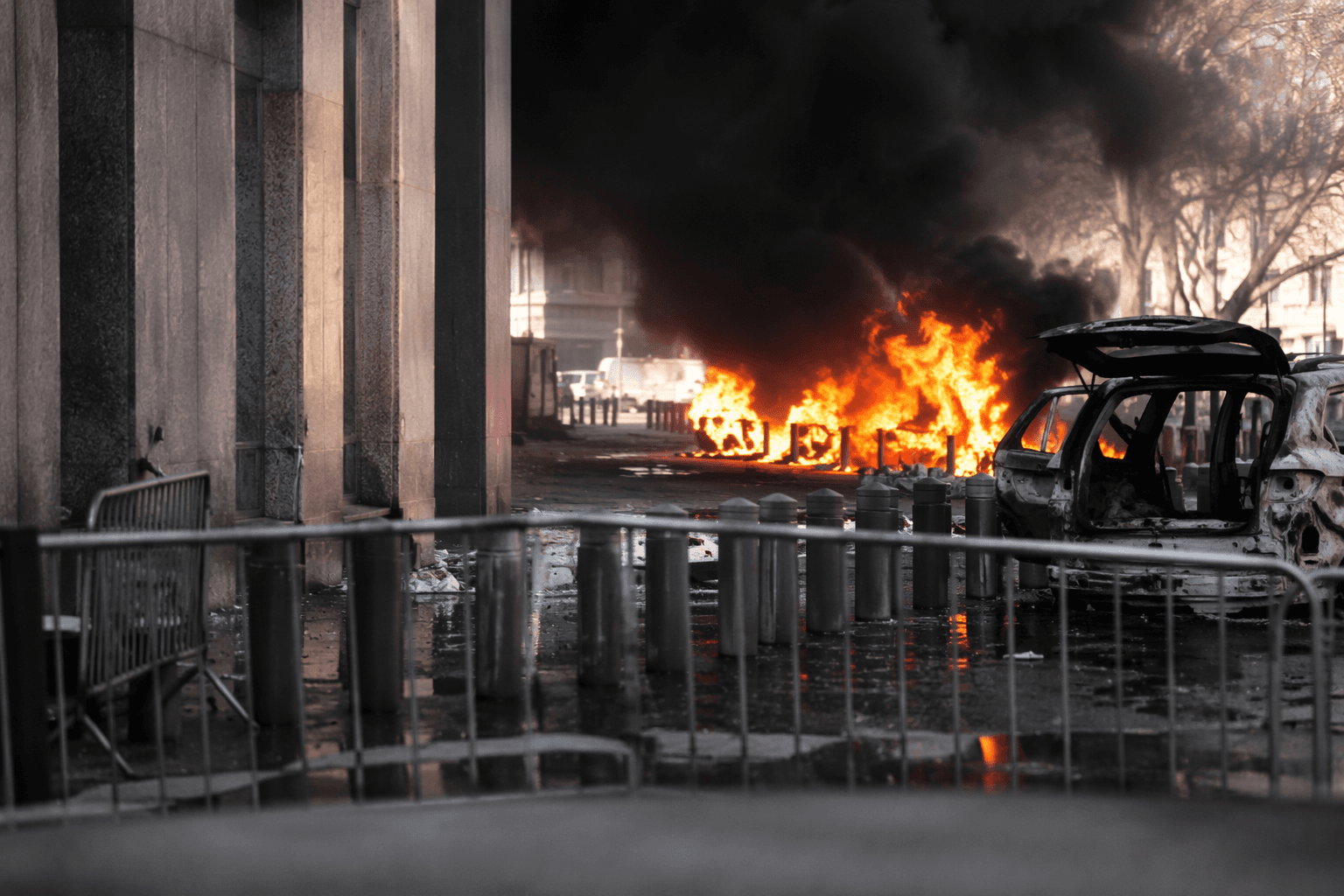
Video and surveillance images showed Arrabaca pouring a liquid and then igniting it outside the building, sending flames and sparks into the air. Officials said fireworks were used to set the blaze, and witnesses saw a sudden burst of fire outside the Manhattan site. No injuries were reported, and the scene was contained before the fire could seriously harm anyone inside or outside the building.
The FBI said Arrabaca had a history of anti-Immigration and Customs Enforcement activity. Agents also took over the investigation through the FBI New York Joint Terrorism Task Force, and the bureau later described him as “an anti-American, anti-government extremist.” In a bail hearing, a judge denied his release.
The attack landed on a site that has become a flashpoint in New York’s immigration disputes. 26 Federal Plaza is home to immigration court operations and ICE-related offices, and the building has long drawn protests and heavy security because of its role in federal immigration enforcement. A 2025 NPR report said immigration courts nationwide had become epicenters of efforts to increase immigration arrests under the Trump administration, adding context to why a federal building in Lower Manhattan has taken on outsized political meaning.
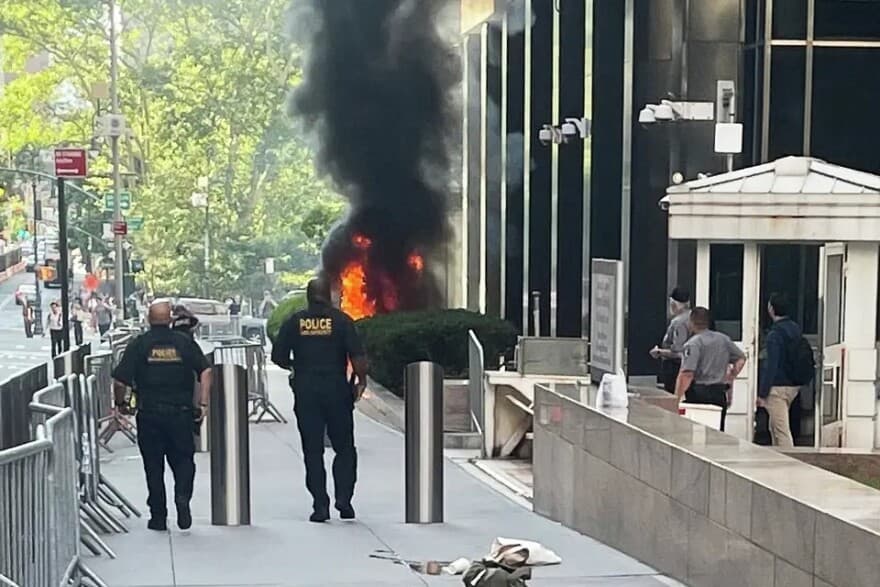
The case now moves forward as a federal arson prosecution tied to a highly visible government site, with investigators examining both the alleged planning and the broader threat posed when political anger turns into violence around public institutions.
This article was produced by Prism’s automated news system from verified source data, official records, and press releases, then run through automated quality and moderation checks before publishing. The system is built and supervised by the people who set the standards it runs under. Read our full AI policy.
Did this article answer your question?