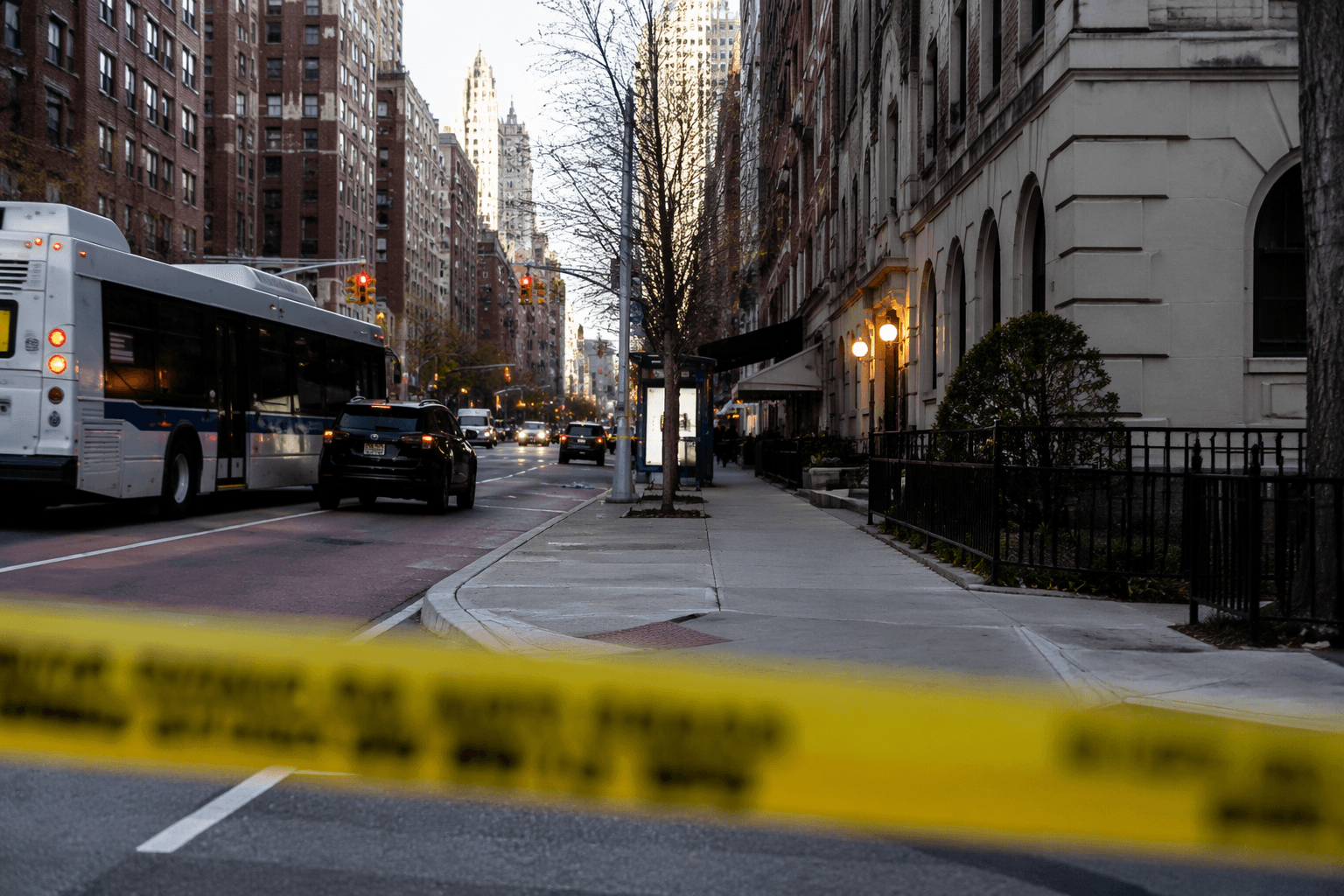
National Guard deployed as flash flooding inundates West Virginia homes, businesses
Hundreds of Guard members moved into northern West Virginia after flash floods triggered more than 85 water rescues and washed out bridges.
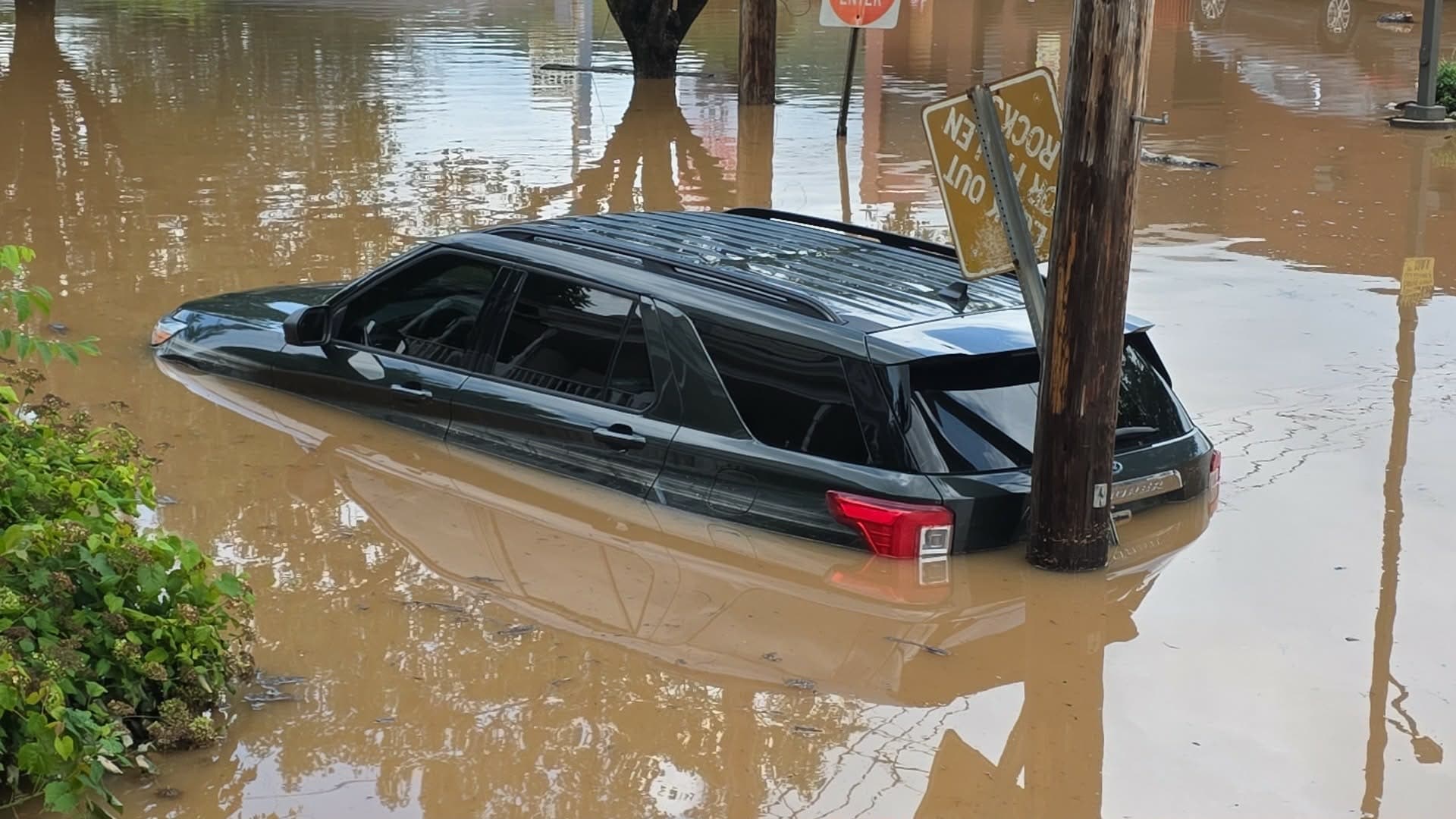
Gov. Patrick Morrisey sent hundreds of West Virginia National Guard members to the hardest-hit areas in northern West Virginia after flash flooding inundated homes and businesses and triggered more than 85 water rescues. Officials said the response was still in the "search and rescue" phase as bridges washed out and water spread through communities that had little time to react.
Morrisey had already declared a statewide State of Preparedness for all 55 West Virginia counties on July 21, one day before the Guard deployment, as multiple rounds of severe weather moved toward the state. He also declared a state of emergency for Barbour County on July 19 after severe thunderstorms and heavy rainfall caused flooding there, a sign that the storm threat had been building before the worst flooding hit.
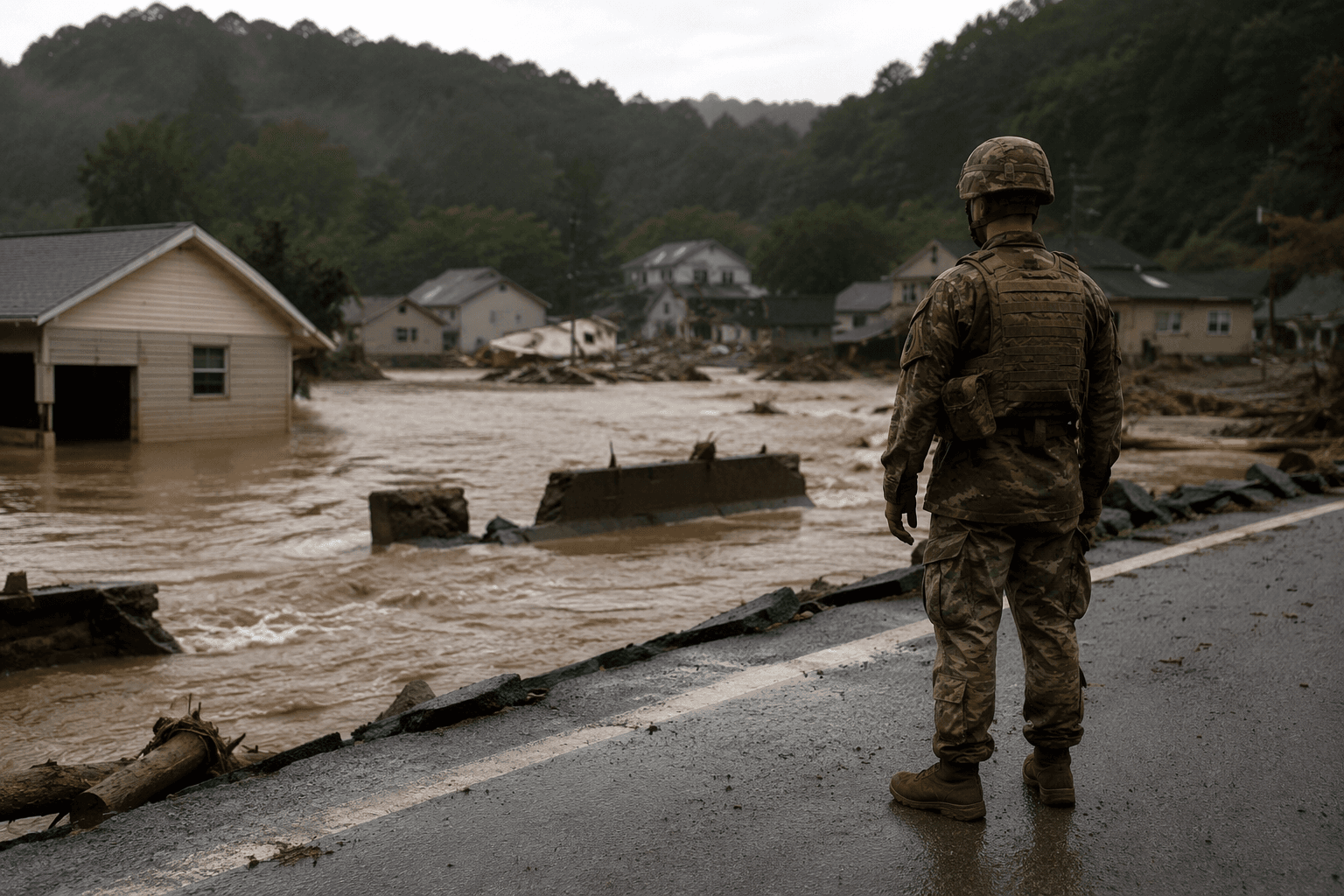
The flooding left clear damage in Buckhannon, where floodwater was visible on Tuesday and again the next day as streets and low-lying areas remained covered. In Horner, mud and debris piled up near Stonecoal Creek after the severe floods, underscoring how quickly fast-moving water can leave roads and properties clogged with wreckage. The flood response also centered on downed or washed-out bridges, a critical failure in a state where mountain roads and river crossings are essential links between small towns and larger population centers.
The scale of the Guard deployment showed that local crews were stretched beyond routine response. With more than 85 water rescues reported, the emergency demanded personnel, vehicles and equipment capable of reaching stranded residents, clearing routes and moving supplies into isolated areas. In practical terms, the flooding had moved beyond a weather event and into a statewide public-safety operation.
For West Virginia, the sequence from Barbour County’s emergency declaration to the statewide preparedness order and then to the Guard deployment laid out a compressed timeline of escalation. It also raised a familiar question for Appalachian communities that face repeated flash floods: whether warning systems, road networks and recovery planning can keep pace with storms that now turn deadly in minutes.
This article was produced by Prism’s automated news system from verified source data, official records, and press releases, then run through automated quality and moderation checks before publishing. The system is built and supervised by the people who set the standards it runs under. Read our full AI policy.
Did this article answer your question?