Former MI6 chief Sir Alex Younger dies, tributes praise his leadership
Sir Alex Younger steered MI6 through ISIS, Russian pressure and Brexit-era strain, becoming the service’s longest-serving chief in 50 years.
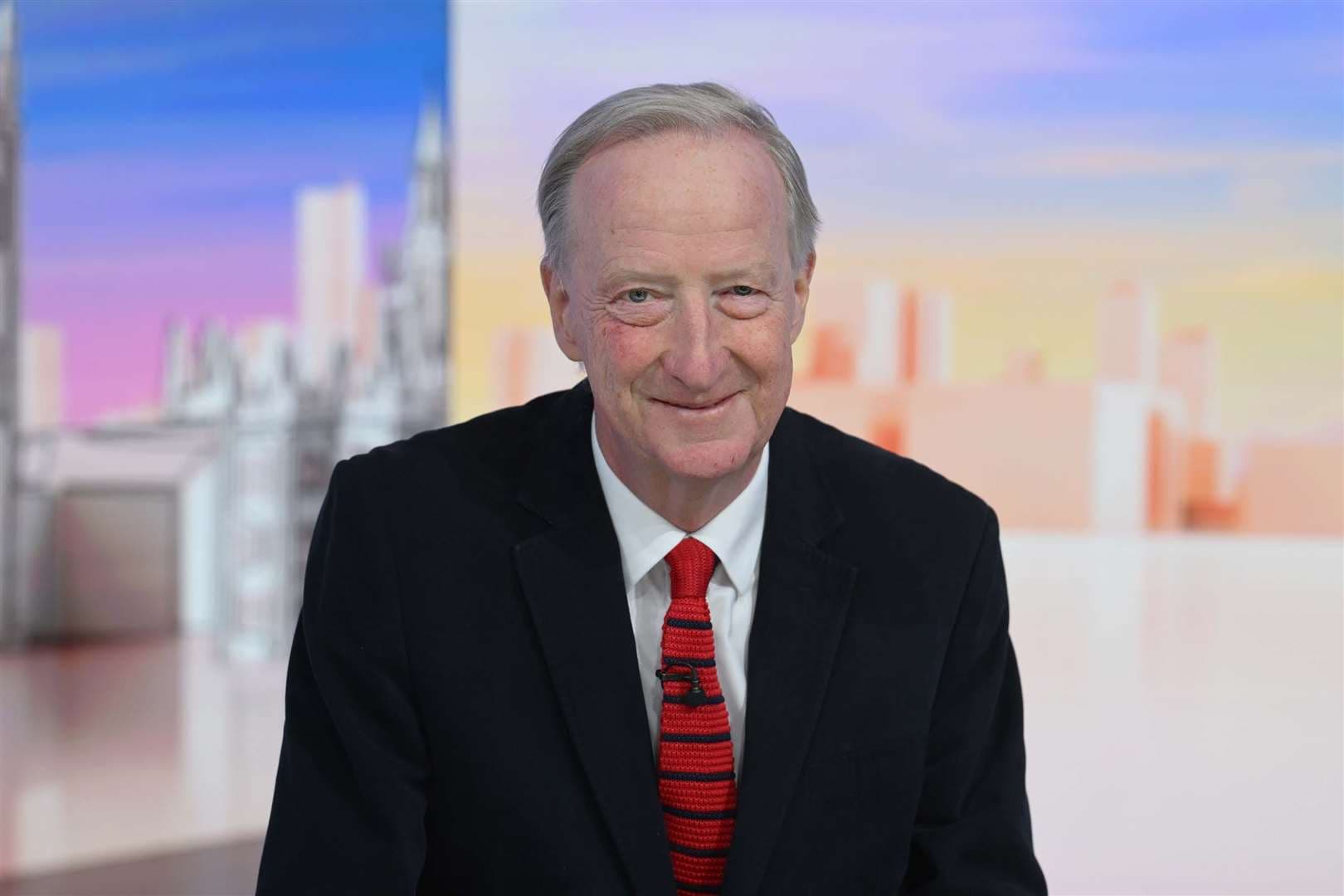
Sir Alex Younger, who led MI6 through some of the sharpest intelligence pressures on Britain since the Cold War, has died in Boston at 62 after being diagnosed with prostate cancer last year.
Younger ran the Secret Intelligence Service from November 1, 2014, to September 30, 2020, serving under David Cameron, Theresa May and Boris Johnson. An extension to his contract in April 2019 made him MI6’s longest-serving chief in 50 years, a rare stretch of continuity at a time when the agency was juggling international terrorism, an emboldened Russia, cyber threats and the fallout from Brexit.
Prime Minister Keir Starmer led the tributes, describing Younger’s life and career as exemplary and saying he would be remembered for his dedication to protecting the nation. Foreign Secretary Yvette Cooper praised his dedication, integrity and leadership, while current MI6 chief Blaise Metreweli said Younger embodied the service’s values of integrity, courage, creativity and respect.
The timing of Younger’s tenure helps explain its significance. He joined MI6 in 1991 and spent postings in the Balkans, the Middle East and Kabul before being appointed head of counter-terrorism in 2009, when Britain was still living with the legacy of the July 7, 2005 London bombings and preparing for the 2012 Olympics. By the time he became chief, the service was confronting ISIS, Russian aggression and the intensifying contest over cyber capability and emerging technologies.
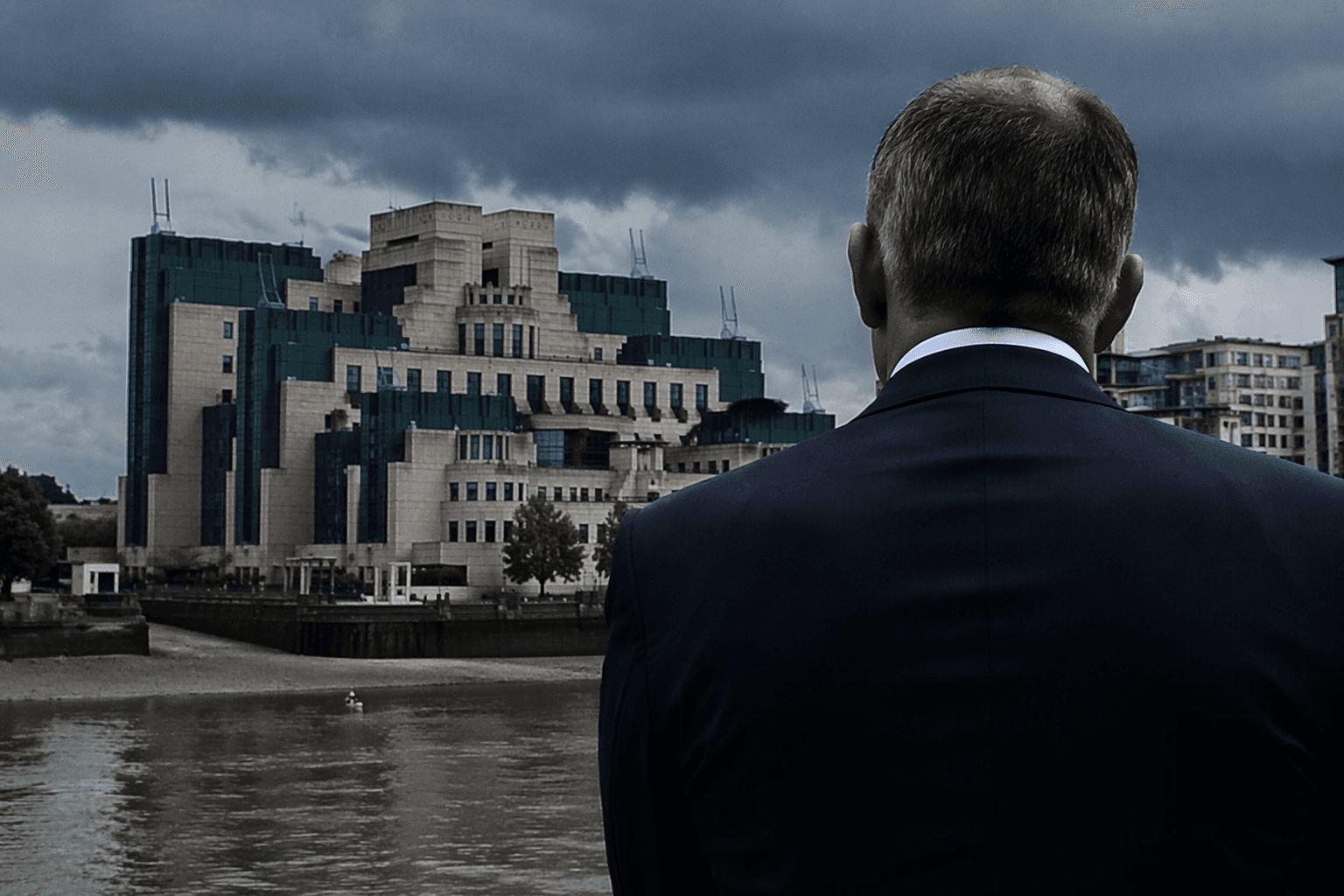
Younger was unusually public for a figure in his role. In 2019, he became the first serving MI6 chief to give a recorded interview, using it to warn that the world felt as dangerous as at any point since the end of the Cold War. He said Russia posed a standing threat to the West, while China represented a generational threat, and he also pointed to the risk of brinkmanship among major powers and the danger of miscalculation.
Those warnings now read as a map of the security environment that followed him out of office. His long tenure gave MI6 a degree of continuity through the Brexit period, but it also reflected how quickly Britain’s intelligence workload had broadened, from counterterrorism and state threats to cyberwar and strategic competition. Younger retired in 2020 and was succeeded by Sir Richard Moore, leaving behind a service shaped by the crises he helped define.
This article was produced by Prism’s automated news system from verified source data, official records, and press releases, then run through automated quality and moderation checks before publishing. The system is built and supervised by the people who set the standards it runs under. Read our full AI policy.
Know something we missed? Have a correction or additional information?
Submit a Tip