Former NIH adviser indicted in scheme to hide COVID records
A former NIAID adviser was indicted on five counts after prosecutors said he hid COVID-era records from FOIA requests and took perks for the scheme.
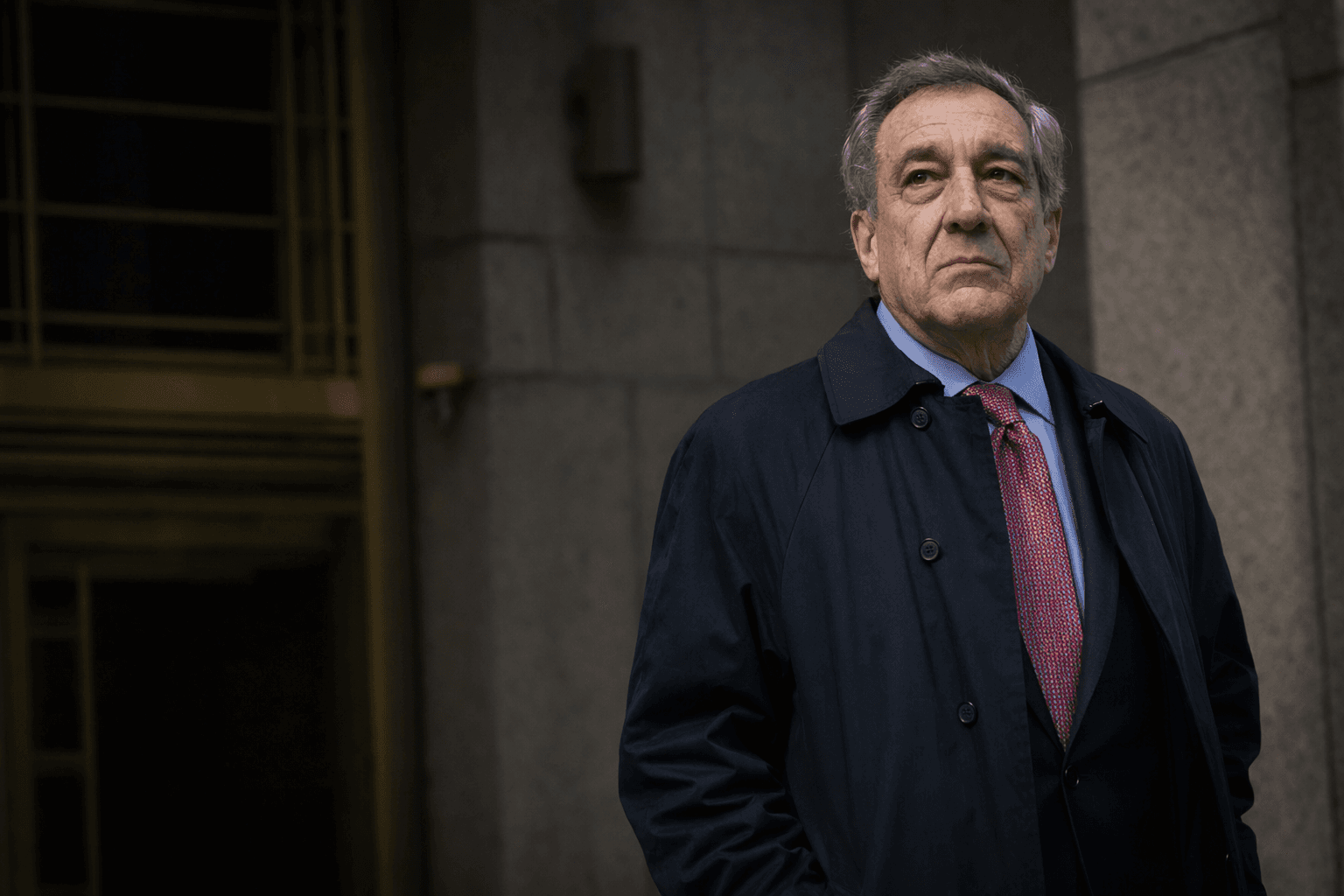
Federal prosecutors have turned a long-running fight over pandemic records into a criminal case, accusing a former senior NIH adviser of helping hide COVID-19 communications from public disclosure and then falsifying records to keep them out of reach.
The Justice Department said David M. Morens, 78, of Chester, Maryland, was indicted by a federal grand jury earlier this month on five counts tied to an alleged scheme to evade Freedom of Information Act requests connected to COVID-19 research grants. Morens served as a senior adviser in the National Institute of Allergy and Infectious Diseases’ Office of the Director from 2006 through 2022. The charges include conspiracy against the United States, destruction, alteration or falsification of records in federal investigations, concealment, removal or mutilation of records, and aiding and abetting.
Prosecutors said the alleged conduct involved using private email and other methods to hide communications about COVID-19 research and questions about the virus’s origins during the pandemic. Acting Attorney General Todd Blanche said Morens and co-conspirators “deliberately concealed information and falsified records” to suppress alternative theories about COVID-19 origins. FBI Director Kash Patel said Morens allegedly received kickbacks, including wine and offers of meals at high-end restaurants, for the conduct.
The indictment lands after years of congressional scrutiny over how NIH and NIAID handled pandemic-era records. In 2024, the House Select Subcommittee on the Coronavirus Pandemic released emails and other documents alleging that Morens discussed ways to evade records rules, used a personal email account, and wrote that he had learned how to make emails disappear. The House Oversight Committee also said newly uncovered documents showed Morens consulted the NIH FOIA office on best practices for deleting official records.
The records fight became especially sensitive because it touched the debate over the origins of the pandemic. The committee scrutinized Morens’s relationship with EcoHealth Alliance, which had received an NIH grant tied to bat coronaviruses. NIH terminated that grant in April 2020 after saying it was reviewing allegations tied to a possible lab-leak theory involving the Wuhan Institute of Virology.
Anthony Fauci is not named in the indictment. He told lawmakers in June 2024 that he and Morens worked in different buildings on the NIH campus and distanced himself from the investigation into Morens. But the criminal case now adds a new layer to the broader battle over FOIA compliance, federal record-keeping and whether public health officials tried to limit access to pandemic communications that Congress and the public have a right to see.
This article was produced by Prism’s automated news system from verified source data, official records, and press releases, then run through automated quality and moderation checks before publishing. The system is built and supervised by the people who set the standards it runs under. Read our full AI policy.
Did this article answer your question?