Supreme Court to weigh Cisco liability in China surveillance abuses case
The justices took up whether Cisco can be sued over China’s Golden Shield, which Falun Gong practitioners say helped identify and torture them.
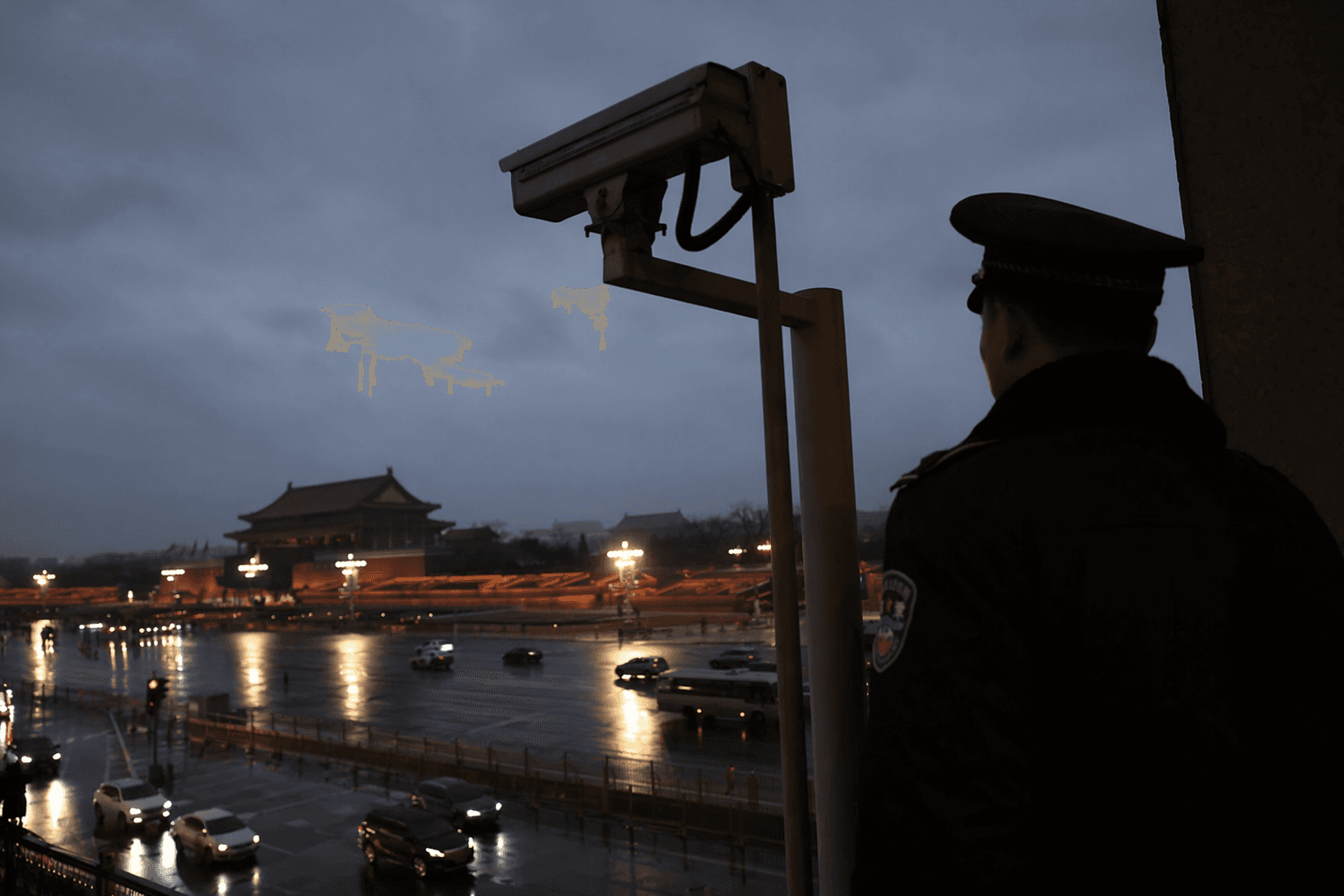
The Supreme Court weighed whether Cisco Systems can face private lawsuits for allegedly helping China build a surveillance network that plaintiffs say was used to identify, monitor, apprehend, interrogate and torture Falun Gong practitioners. The case, Cisco Systems, Inc. v. Doe I, No. 24-856, put the justices at the center of a broader fight over whether U.S. companies can be held legally responsible for technology that enables abuses abroad.
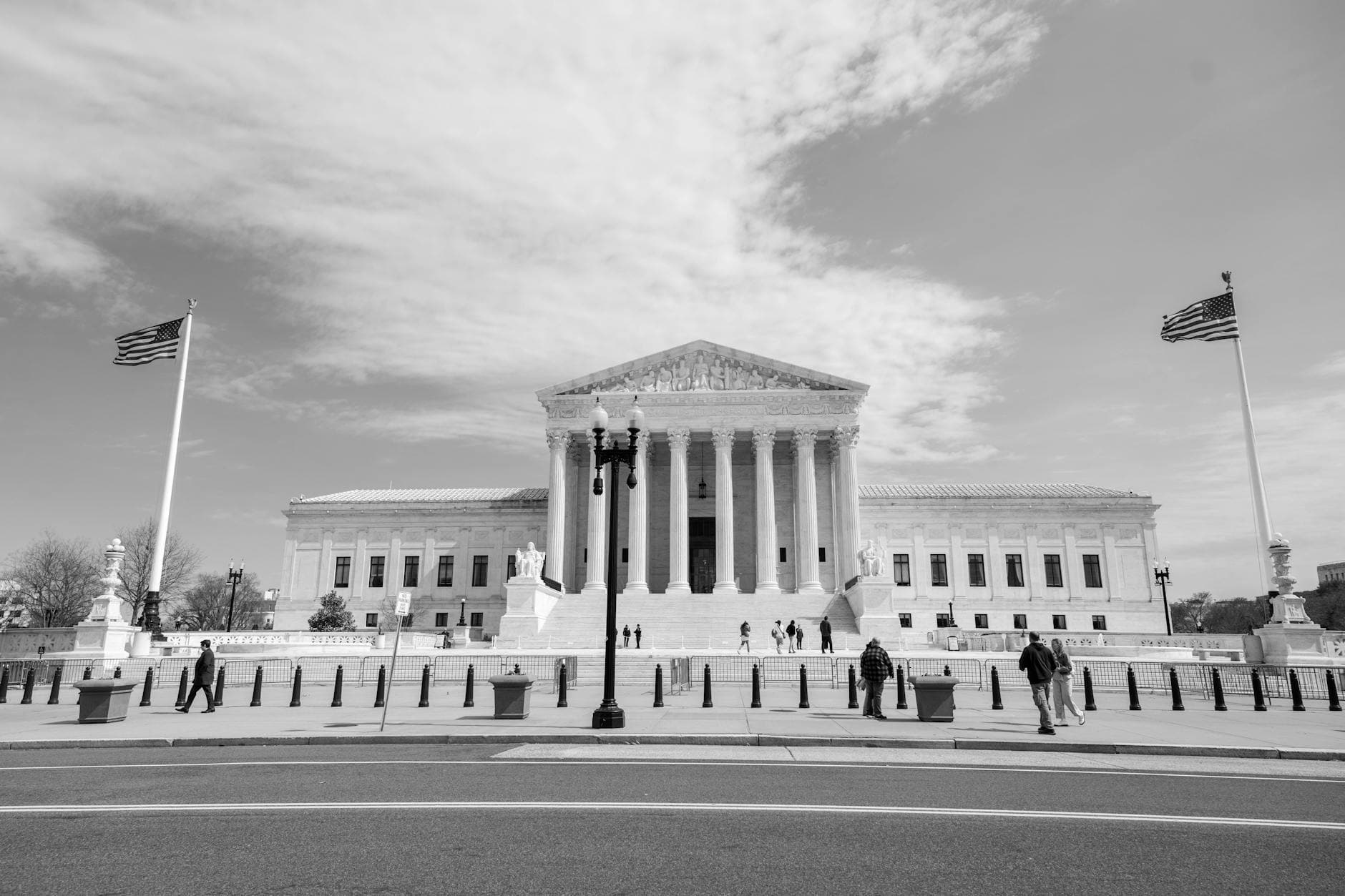
At issue was whether the Alien Tort Statute and the Torture Victim Protection Act permit aiding-and-abetting claims in this setting. The court granted review on January 9, 2026, and narrowed the case to Questions 1 and 3 presented in the petition, signaling a tightly focused look at the scope of corporate liability for alleged international-law violations.
Falun Gong practitioners allege that Cisco, along with two executives, helped build and maintain China’s “Golden Shield” surveillance system. The plaintiffs say Cisco knowingly, purposefully and intentionally designed, implemented and helped maintain the network, which they contend became a tool for Chinese authorities to track dissent and carry out abuses against religious and political targets. The lawsuit frames the dispute not only as a question of civil procedure, but as a test of whether technology companies can be sued when their products are allegedly woven into repression.
The case reached the high court after the Ninth U.S. Circuit Court of Appeals ruled in the dispute, reported at 73 F.4th 700, and later denied rehearing en banc in a split order that produced a statement and dissent reported at 113 F.4th 1230. That appellate history set up a direct clash over the reach of federal human-rights statutes and the liability of corporations accused of aiding foreign abuse.
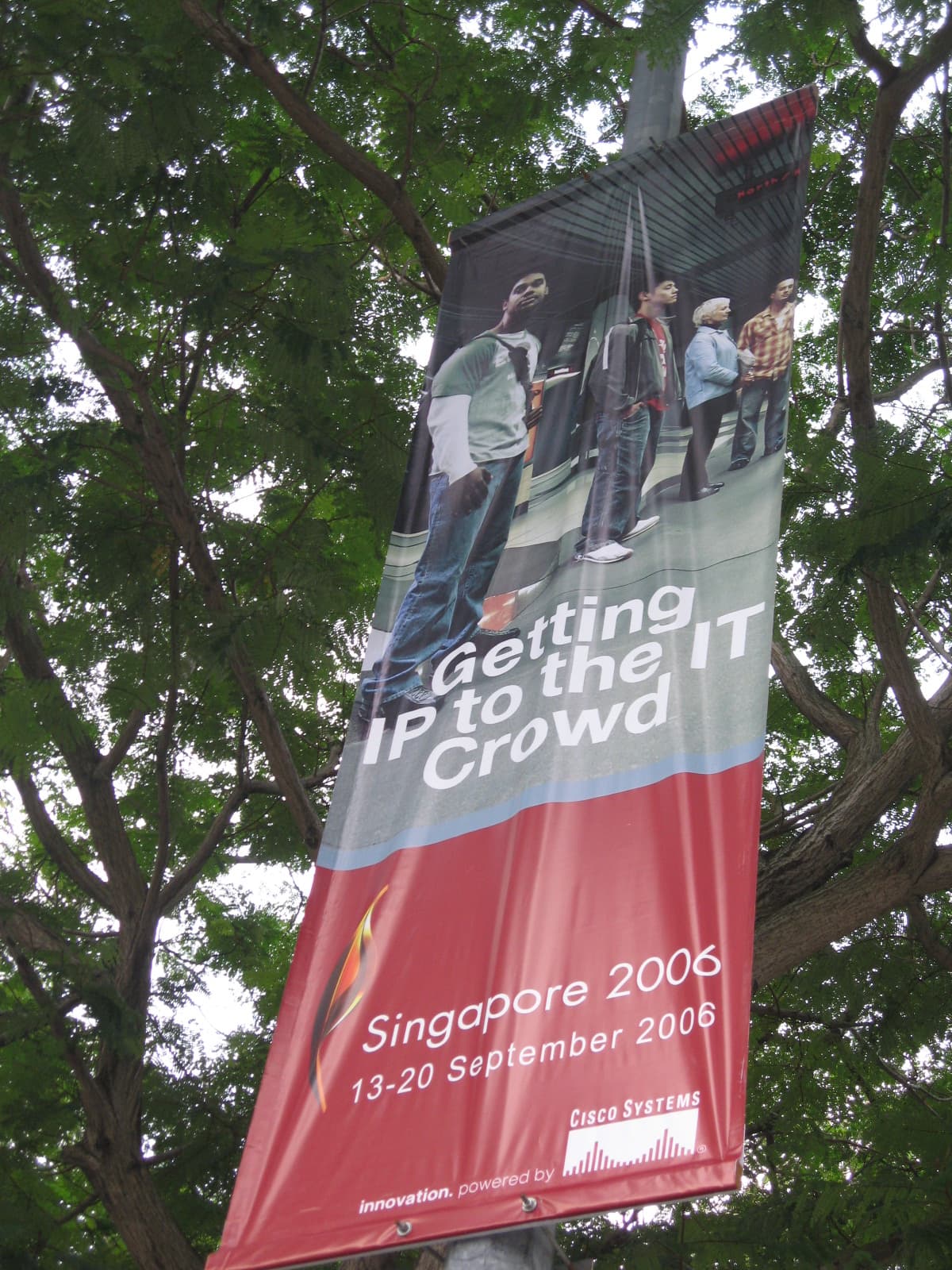
The U.S. government filed an amicus brief backing Cisco, adding institutional weight to the company’s argument that the statutes do not allow this kind of private suit. The case also drew multiple outside briefs, including one filed on March 27, 2026, on behalf of Falun Gong supporters, underscoring the stakes for technology firms, human-rights litigation and the question of how far American law reaches when corporate tools are tied to authoritarian policing.
This article was produced by Prism’s automated news system from verified source data, official records, and press releases, then run through automated quality and moderation checks before publishing. The system is built and supervised by the people who set the standards it runs under. Read our full AI policy.
Did this article answer your question?