Trump administration speeds up immigration hearings for migrant children
Court dates for migrant children were pushed up by weeks or months, shrinking time for asylum claims and raising due-process concerns for children in custody.
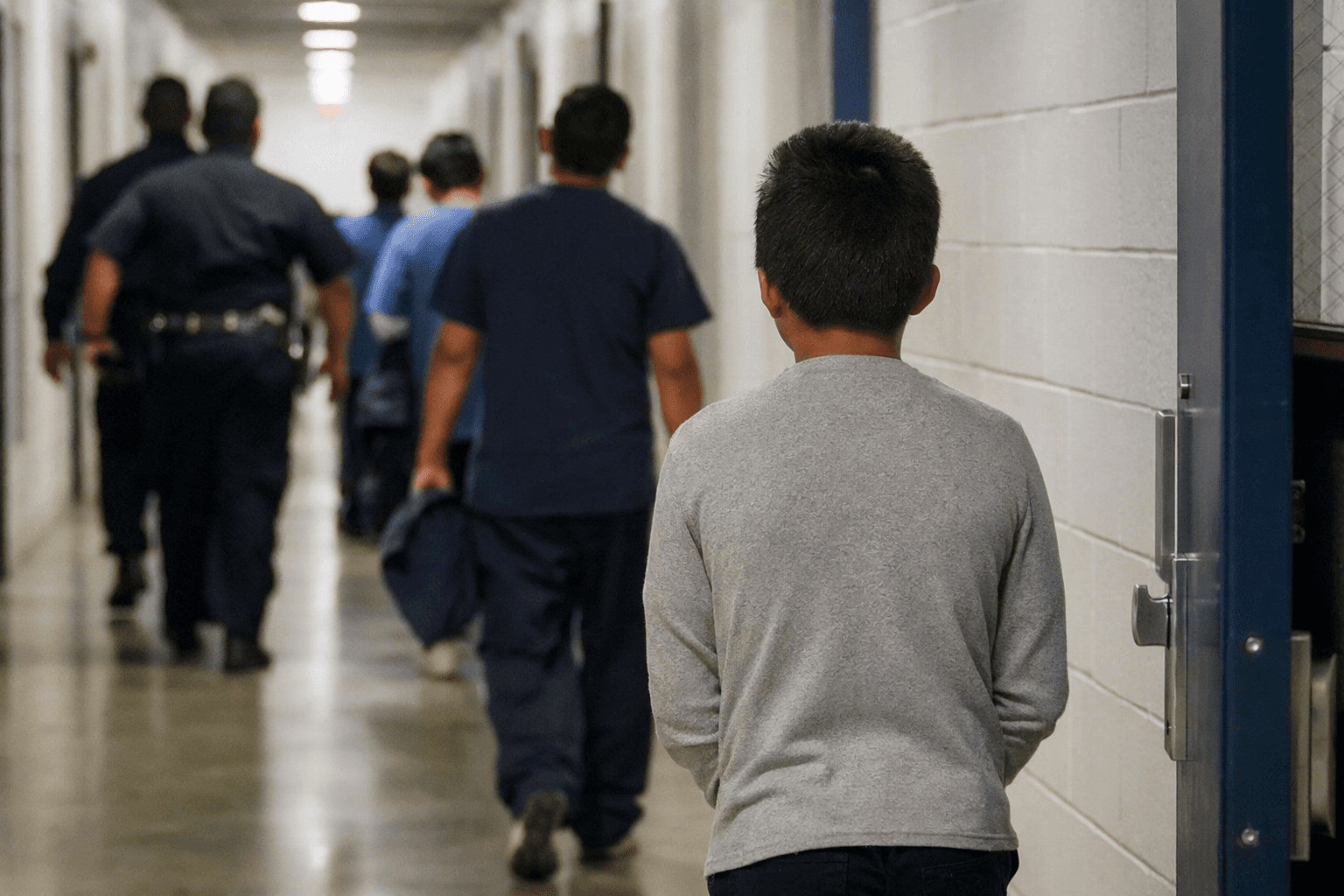
The Trump administration moved immigration hearings for migrant children in federal custody forward by weeks or even months, a change that could leave children, lawyers and sponsors with far less time to prepare asylum or other protection claims. The shift lands hardest on unaccompanied minors, some of whom are as young as four, and on a system already strained by repeated court appearances, short deadlines and patchy access to counsel.
Under federal law, the Office of Refugee Resettlement, part of the Department of Health and Human Services, is responsible for caring for children referred by the Department of Homeland Security until they can be released to safe sponsors, often family members, while they wait for immigration proceedings. HHS says children are placed in shelters first and are not released until sponsors are screened and background checks are completed. The policy change would compress that process even further, cutting into the time families and attorneys have to gather evidence, prepare testimony and navigate asylum or trafficking-related claims.
Andrew Nixon, a spokesman for HHS, said many of the children were at risk of trafficking and exploitation and that some had been brought across the border by cartels under dangerous and coercive conditions. He said, “moving cases forward helps disrupt those networks and ensures children are returned to safe environments as quickly as possible.”
The move also reflected the administration’s broader immigration agenda, which has included efforts to locate hundreds of thousands of unaccompanied migrant children, cut legal aid in immigration proceedings and restrict birthright citizenship. That broader campaign has made unaccompanied children a central test of how far the White House will push executive power in the immigration system, where due-process rights and child welfare often collide.
The United Nations warned in January 2026 that thousands of children remained in custody without access to legal counsel after federal funding for representation was terminated, calling that a serious child-rights concern. The issue sits squarely inside the federal trafficking protections created by the 2008 William Wilberforce Trafficking Victims Protection Reauthorization Act, which established ORR’s custody role for unaccompanied children.
HHS also posted state-by-state data on unaccompanied children released to sponsors for fiscal year 2026 as of March 31, underscoring the national scale of the caseload. The Government Accountability Office said ORR cared for about 119,000 unaccompanied children in fiscal 2023, a reminder that even small changes in scheduling can ripple across thousands of cases.
This article was produced by Prism’s automated news system from verified source data, official records, and press releases, then run through automated quality and moderation checks before publishing. The system is built and supervised by the people who set the standards it runs under. Read our full AI policy.
Did this article answer your question?