Former Shaolin Temple abbot sentenced to 24 years for bribery
A once-celebrated Shaolin monk was jailed for 24 years after a court said he siphoned temple assets and took bribes worth about 300 million yuan.

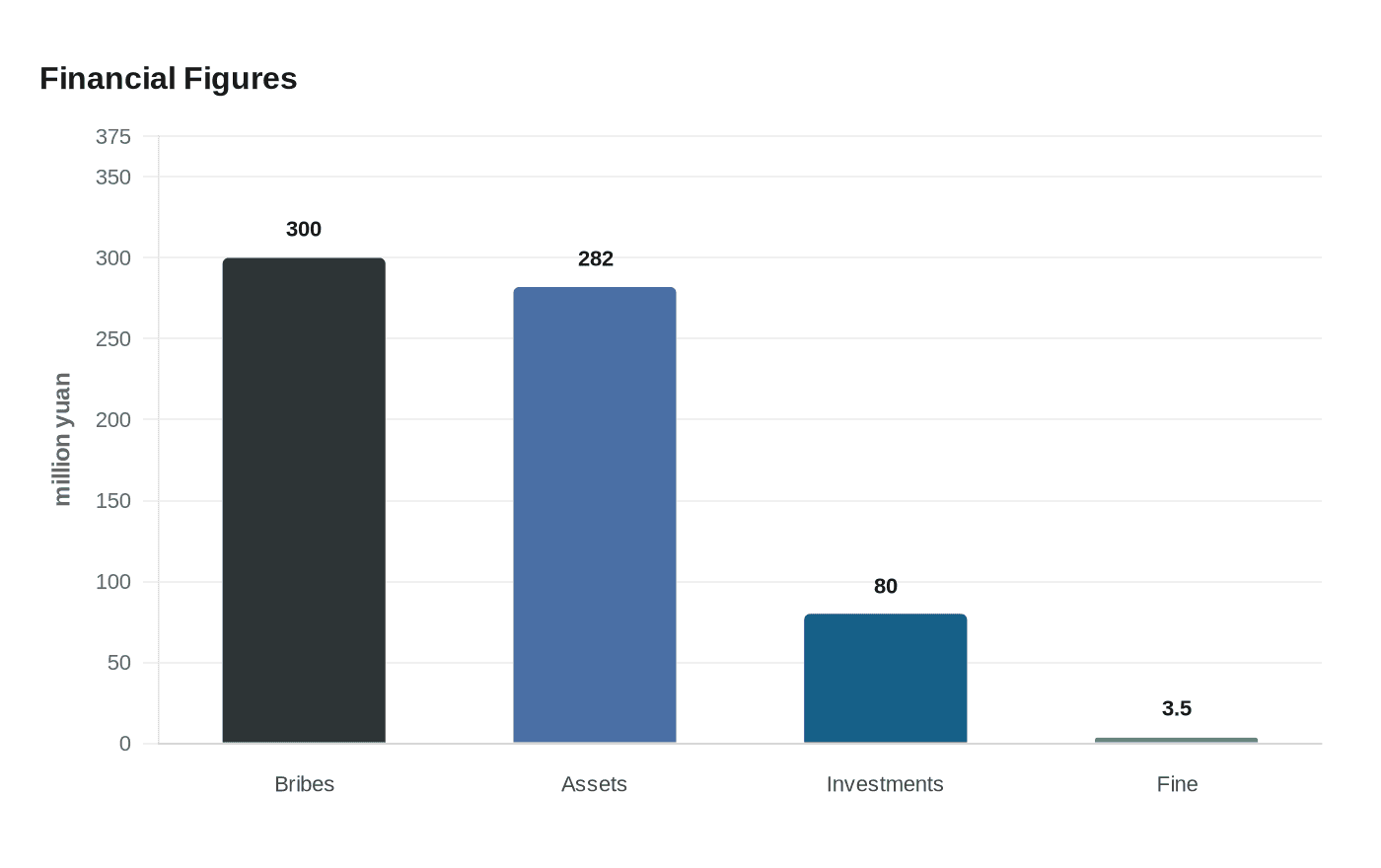
Shi Yongxin, the former abbot of the Shaolin Temple, was sentenced to 24 years in prison and fined 3.5 million yuan, or about $517,000, after a court in Xinxiang, Henan province, found he abused his position over many years to commit embezzlement and bribery. State media said the 60-year-old pleaded guilty and would not appeal, closing a case that has shaken one of China’s most recognizable religious institutions.
The judgment carries weight far beyond a single corruption case because Shaolin is not just a temple in central China. It is a global symbol of kung fu, a pilgrimage site, a tourist destination and a commercial brand tied to Chinese soft power. Shi, whose secular name is Liu Yingcheng, spent decades building that image. He entered monastic life in 1981, helped oversee the temple from 1987 and became abbot in 1999, earning the nickname “CEO monk” as he pushed Shaolin into overseas schools, performance tours and business ventures.
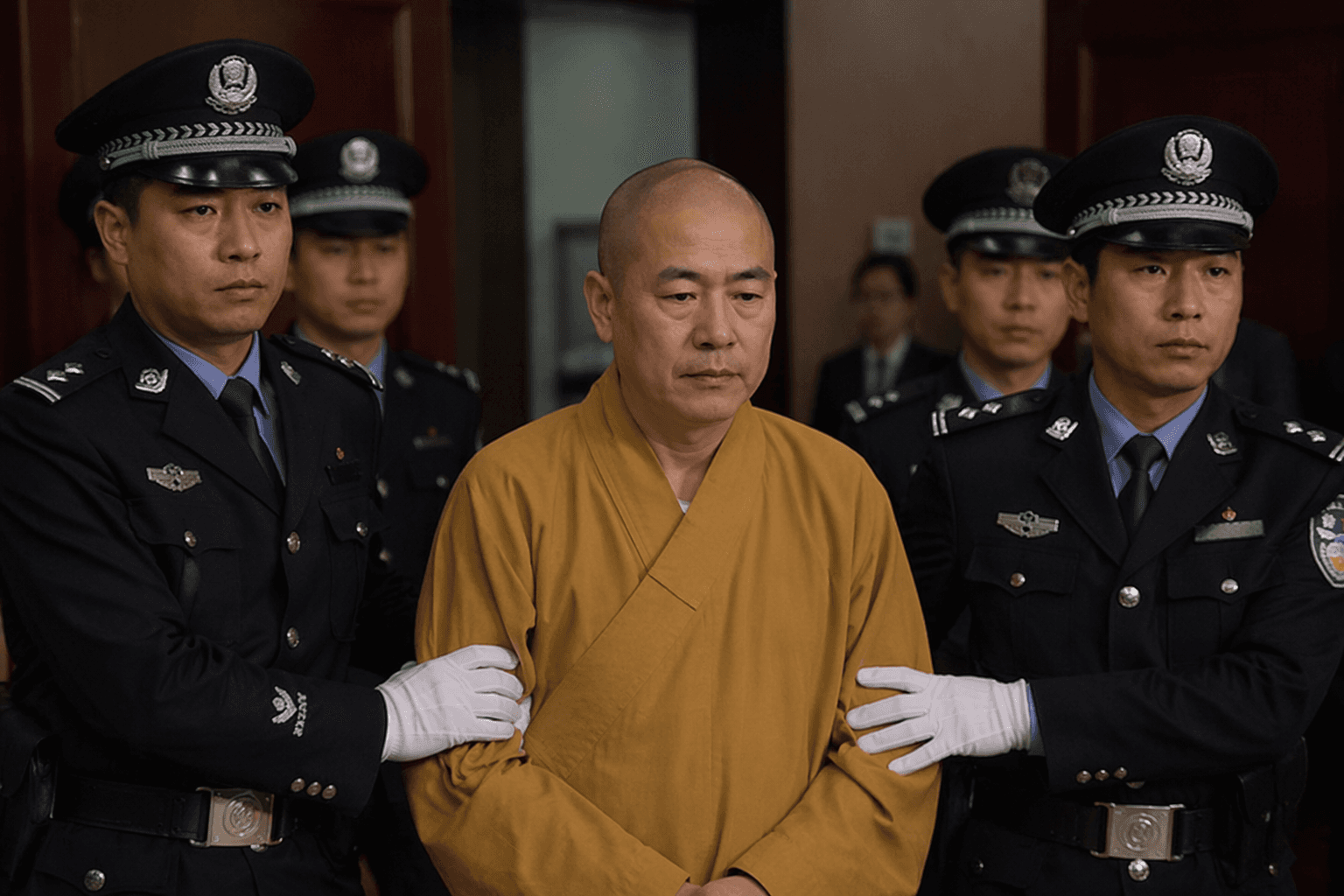
Court findings described misconduct stretching from 2003 to 2025, with state media reporting that Shi abused his role to embezzle, misappropriate, take and give bribes totaling about 300 million yuan. One account said he misappropriated temple assets worth more than 282 million yuan. The scale of the sums makes clear this was treated not as an internal discipline problem, but as a major corruption case involving an institution with enormous public visibility and symbolic value.
The legal case followed a fast-moving disciplinary collapse. In July 2025, the Shaolin Temple said Shi was under joint investigation by multiple departments and accused him of embezzling project funds and temple assets. The temple also alleged serious violations of Buddhist precepts, including improper relationships with multiple women and fathering at least one illegitimate child. By March 2026, he had been charged, and on May 29 the Xinxiang Intermediate People’s Court imposed the 24-year sentence.
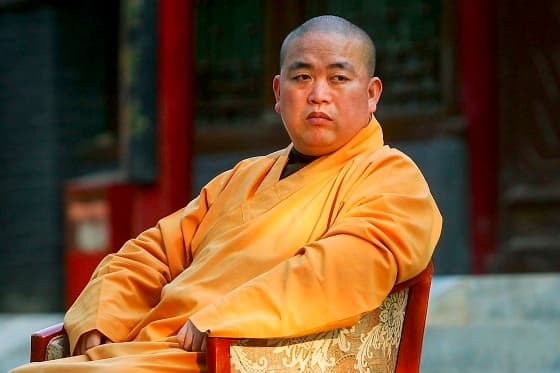
Shi’s fall also exposes how deeply Shaolin’s modern identity had fused religion with commerce. Sixth Tone reported that he created Henan Shaolin Intangible Assets Management Co., Ltd. in 2008 to manage commercial interests, and that the company later invested in 16 businesses with total investments of 80 million yuan. That business logic helped turn Shaolin into an exportable brand, but it also made the institution vulnerable to the corruption that now defines his legacy.
The Buddhist Association of China later stripped Shi of his monastic office, and companies linked to him were deregistered. For Beijing, the case sends a clear message: even the most famous religious names are not exempt when branding, wealth and authority become too closely intertwined.
This article was produced by Prism’s automated news system from verified source data, official records, and press releases, then run through automated quality and moderation checks before publishing. The system is built and supervised by the people who set the standards it runs under. Read our full AI policy.
Know something we missed? Have a correction or additional information?
Submit a Tip