Ukraine appoints first military ombudsman to protect soldiers' rights
Ukraine’s first military ombudsman logged 3,876 appeals in 20 days, exposing how wartime complaints are being turned into a civilian oversight system.
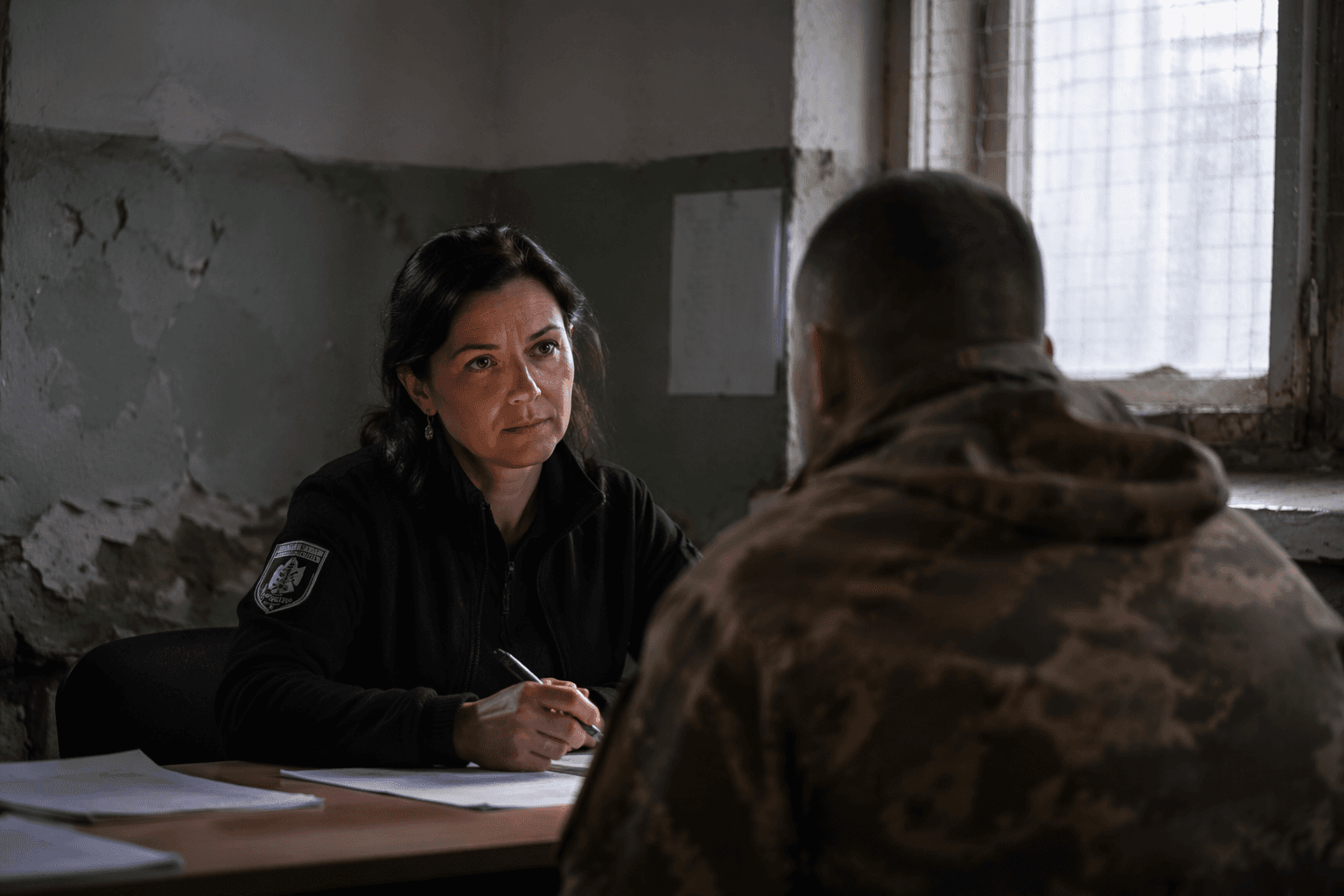
Ukraine is building a formal channel for soldiers to challenge abuse, neglect and arbitrary treatment inside the armed forces, even as the country fights a grinding war. Olha Reshetylova, a journalist and human rights activist with deep roots in wartime monitoring, has become the face of that effort, and her mandate has already triggered friction with commanders who see scrutiny as a threat to discipline.
The post was first introduced at the end of 2023, then expanded through a sequence of legal and political steps that hardened it into a permanent institution. President Volodymyr Zelenskyy appointed Reshetylova as Presidential Commissioner for the Protection of the Rights of Servicemen and Members of Military Families on Dec. 30, 2024. The Verkhovna Rada later adopted the military ombudsman law on Sept. 17, 2025, with 283 lawmakers in favor, and the presidential office approved regulations for the office two days later. Zelenskyy formally appointed Reshetylova as Ukraine’s first Military Ombudsman on Oct. 16, 2025.
The new office is designed to oversee rights across the Defense Forces of Ukraine, including active-duty servicemembers, volunteer territorial-defense units, reservists in training, people in the resistance movement under occupation and law-enforcement officers engaged in combat operations. That civilian oversight is central to the government’s argument: a wartime military can preserve trust and effectiveness only if soldiers have a real mechanism to report violations instead of absorbing them in silence.
Reshetylova’s background reflects that logic. She co-founded Come Back Alive in 2014 and later co-founded the Media Initiative for Human Rights in 2016 with Maria Tomak, building an archive of war-crimes and rights-violation cases linked to Russia’s war against Ukraine. Her appointment places a longtime civil-society watchdog directly inside the state’s wartime chain of accountability, a move that signals the government is willing to expose internal strain in order to strengthen the force over time.
The demand for the office was immediate. In her first 20 days, Reshetylova said she received 3,876 appeals, with recurring complaints about refusals to refer soldiers to military medical commissions and treatment, transfers between units and the non-renewal of service after a contract term. As the office began work, it reported nearly 2,500 complaints in less than a month. Those numbers underscore the scale of grievances inside a military that has been under intense pressure for more than three and a half years of full-scale war, where allegations of abuse and misconduct in some units have become impossible to ignore.
This article was produced by Prism’s automated news system from verified source data, official records, and press releases, then run through automated quality and moderation checks before publishing. The system is built and supervised by the people who set the standards it runs under. Read our full AI policy.
Know something we missed? Have a correction or additional information?
Submit a Tip