Former Spirit workers sue over pay and benefits after shutdown
Former Spirit employees say the airline left them unpaid and uninsured after its May 2 shutdown, even as the carrier sought bonus money for insiders.
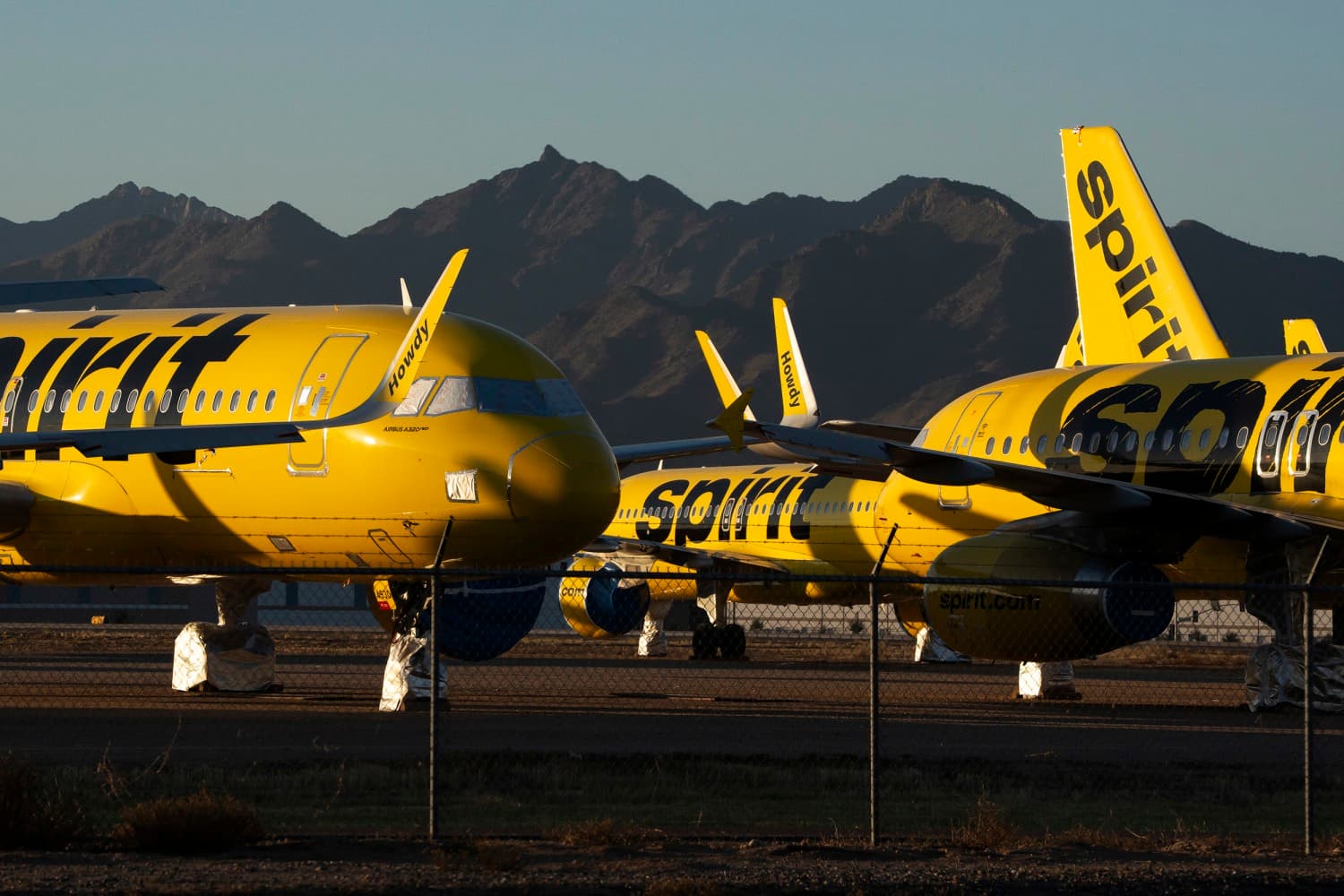
Six former Spirit Airlines workers have asked a bankruptcy judge to make the carrier pay for the human cost of its collapse: final wages, unused leave, health coverage and retirement-related benefits they say vanished when the airline shut down operations.
The lawsuit, filed May 12 in U.S. Bankruptcy Court for the Southern District of New York, names five former employees from Florida and one from South Carolina. They are seeking to represent about 17,000 full- and part-time workers whose jobs were eliminated when Spirit abruptly stopped flying on May 2, after 34 years in business.
At the center of the case is the federal WARN Act, which generally requires 60 days’ notice before a mass layoff. The complaint says Spirit leadership emailed workers that the company had “decided to cease operations immediately.” Employees say they had been told they would be paid through May 2, but many still have not received their final paychecks or compensation for unused vacation and sick time.
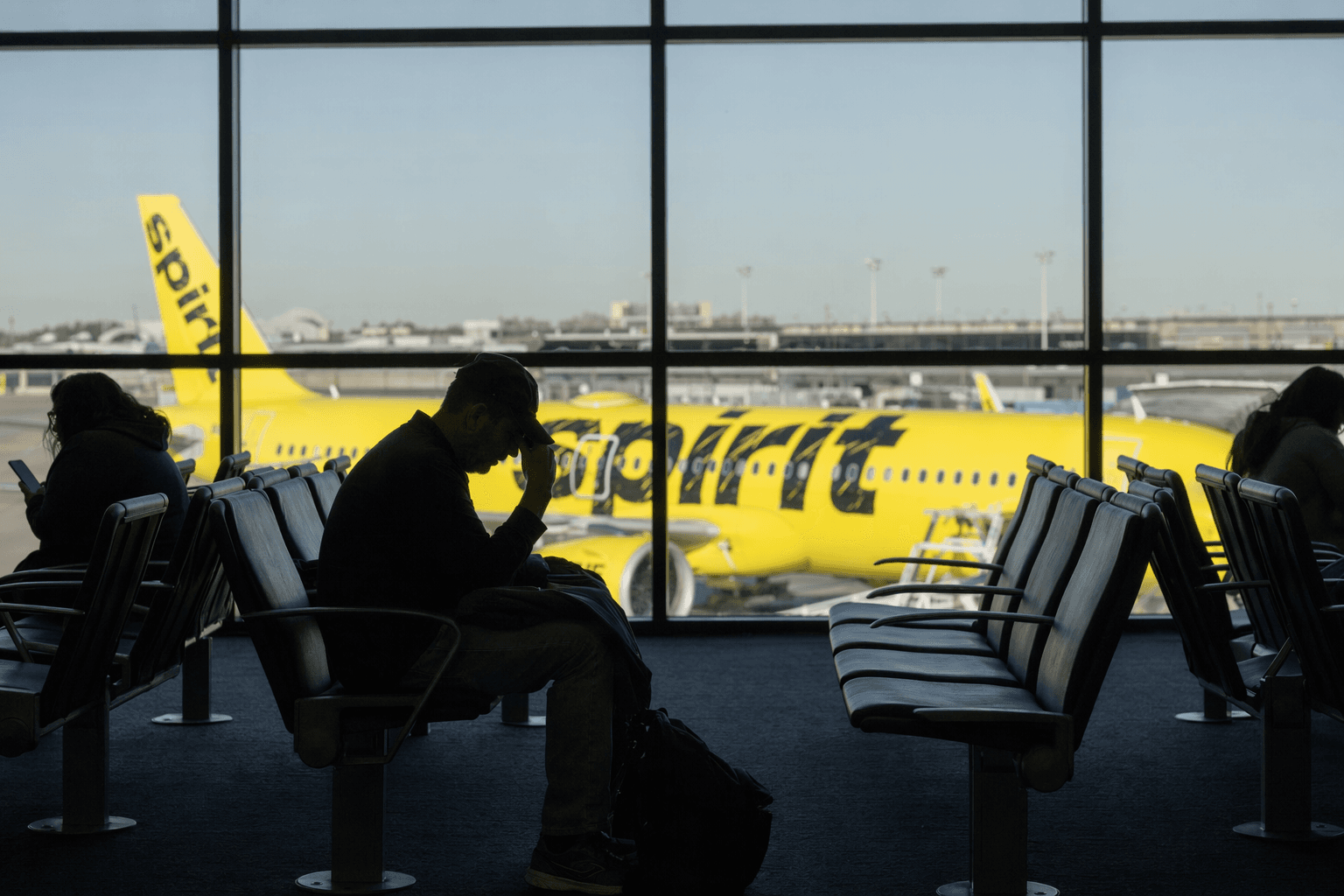
The plaintiffs are also seeking continuation of medical coverage, retirement contributions and other benefits, arguing that the shutdown should not leave workers to absorb the full cost of the airline’s failure. Attorneys for the former employees say some people are now scrambling for new jobs and new insurance while dealing with chronic medical issues or family members who need ongoing coverage.
Spirit said it began “an orderly wind-down of our operations, effective immediately” after rescue talks with the federal government stalled. The planned $500 million rescue deal did not materialize, leaving the airline to unwind its business under bankruptcy court supervision after oil prices and other pressures squeezed the carrier’s finances.
The case also lands as Spirit asks the court for permission to pay $10.7 million in retention bonuses to 130 non-management employees who remain to help liquidate the company. It is also seeking separate bonus payments for its top three executives, including CEO David Davis, a request that has already drawn scrutiny from workers who say they are still waiting for pay and benefits they were promised.
The dispute now asks a larger question that has shadowed airline failures for decades: when a carrier collapses, how much can bankruptcy law shield management, and how much of the bill gets shifted to workers left behind. In Spirit’s case, the answer could determine whether thousands of laid-off employees recover anything beyond a short email saying operations had ceased.
This article was produced by Prism’s automated news system from verified source data, official records, and press releases, then run through automated quality and moderation checks before publishing. The system is built and supervised by the people who set the standards it runs under. Read our full AI policy.
Did this article answer your question?

