Mexico suspends U.S. pork breeding imports after pseudorabies detection
Mexico halted imports of U.S. breeding pigs and pork offal after pseudorabies antibodies were found in Iowa boars, hitting targeted trade flows but not pork muscle cuts.
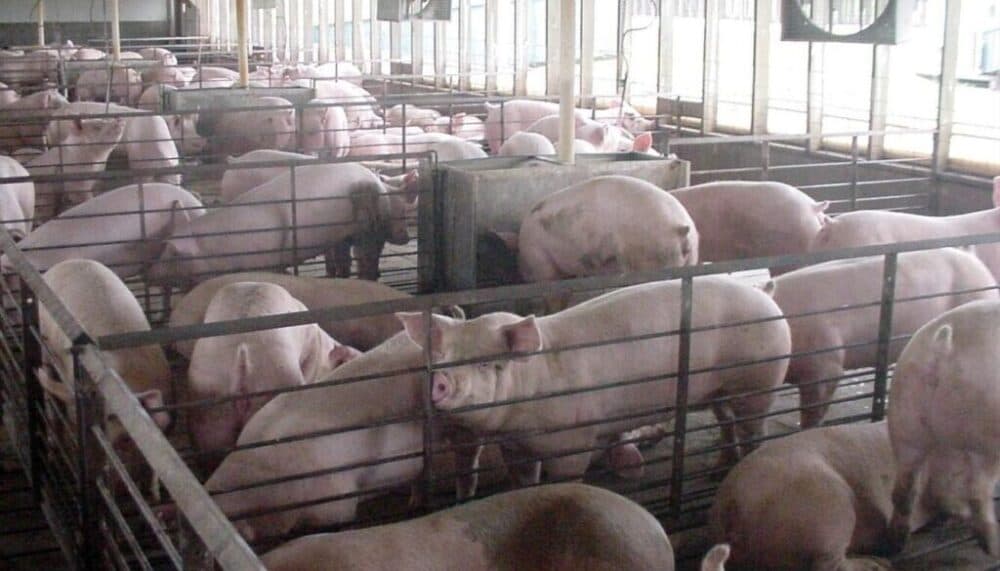
Mexico has suspended imports of U.S. breeding pigs, porcine semen, viscera, offal and related byproducts after U.S. animal-health officials detected pseudorabies virus antibodies in five boars tied to a small commercial swine facility in Iowa. The move immediately tightened a sensitive trade lane with the United States, Mexico’s largest pork supplier, even as the restriction stopped short of a full ban and did not cover pork muscle cuts.
Mexico’s National Service for Agri-Food Health, Safety and Quality put the restrictions in place on May 2, removing the relevant zoosanitary import requirement sheets from its consultation module and making some import procedures impossible to complete. Industry sources said shipments began running into trouble by May 4 as loads could not clear into Mexico without the paperwork. The affected products account for roughly 10% of Mexico’s total pork-product imports from the United States, a meaningful disruption in a market where Mexico buys about half of the pork it consumes and around 80% of those imports come from the United States.
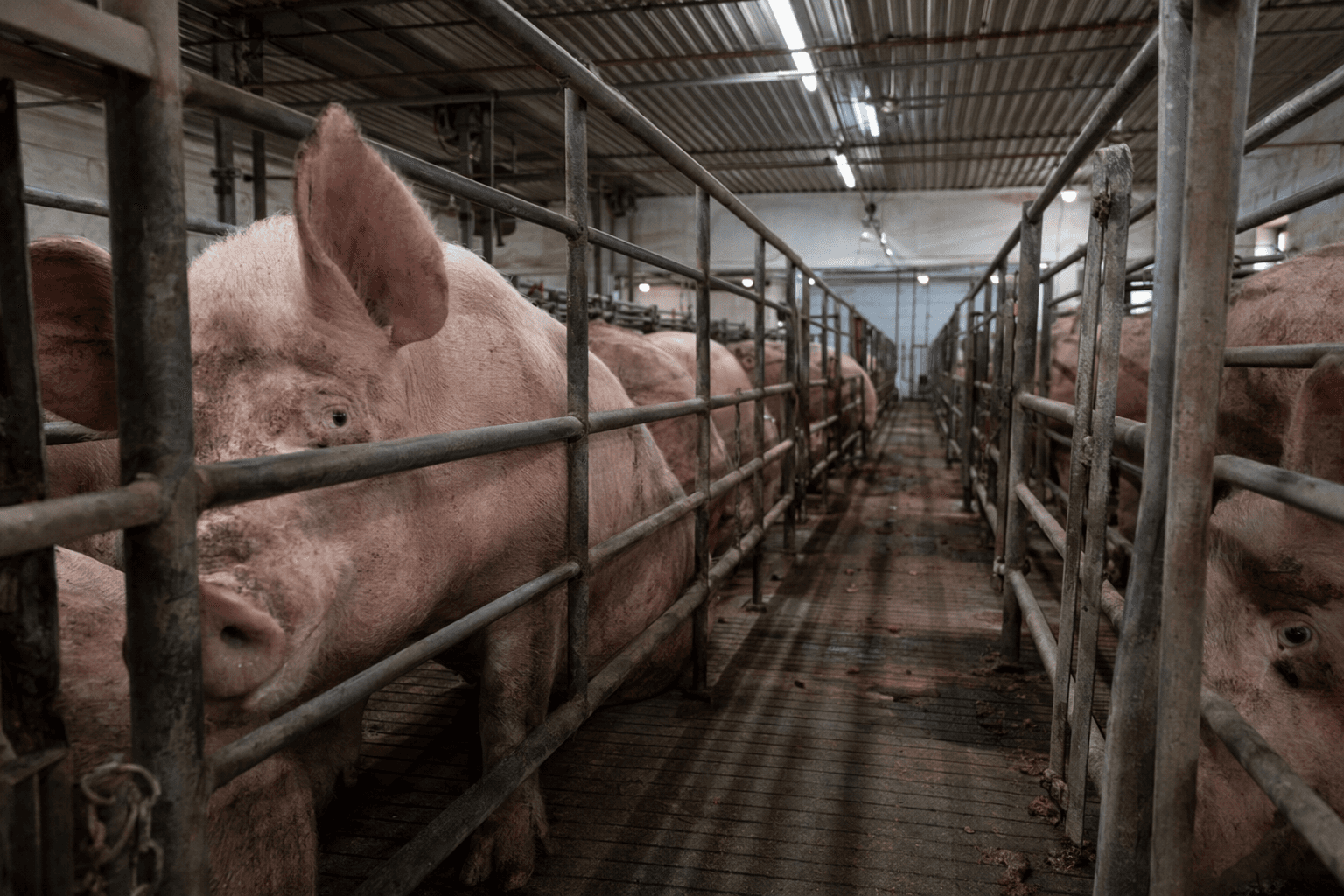
U.S. Department of Agriculture officials confirmed the detection on April 30 using ELISA and latex agglutination tests. The agency traced the five affected boars back to an outdoor facility in Texas and said the case was the first known pseudorabies finding in U.S. commercial swine since 2004. USDA said pseudorabies remains prevalent in feral swine in the United States, where spillover can occur in outdoor herds, but stressed that the detection posed no risk to consumer health and did not affect the safety of the commercial pork supply. It also warned of limited, short-term impacts on exports of U.S. swine and swine genetics.
Iowa officials said the small commercial facility had received swine from the Texas herd in recent months, and state and federal veterinarians were coordinating traceback efforts. Iowa Secretary of Agriculture Mike Naig said the state was moving decisively to eliminate the disease. USDA said the affected animals would be culled.
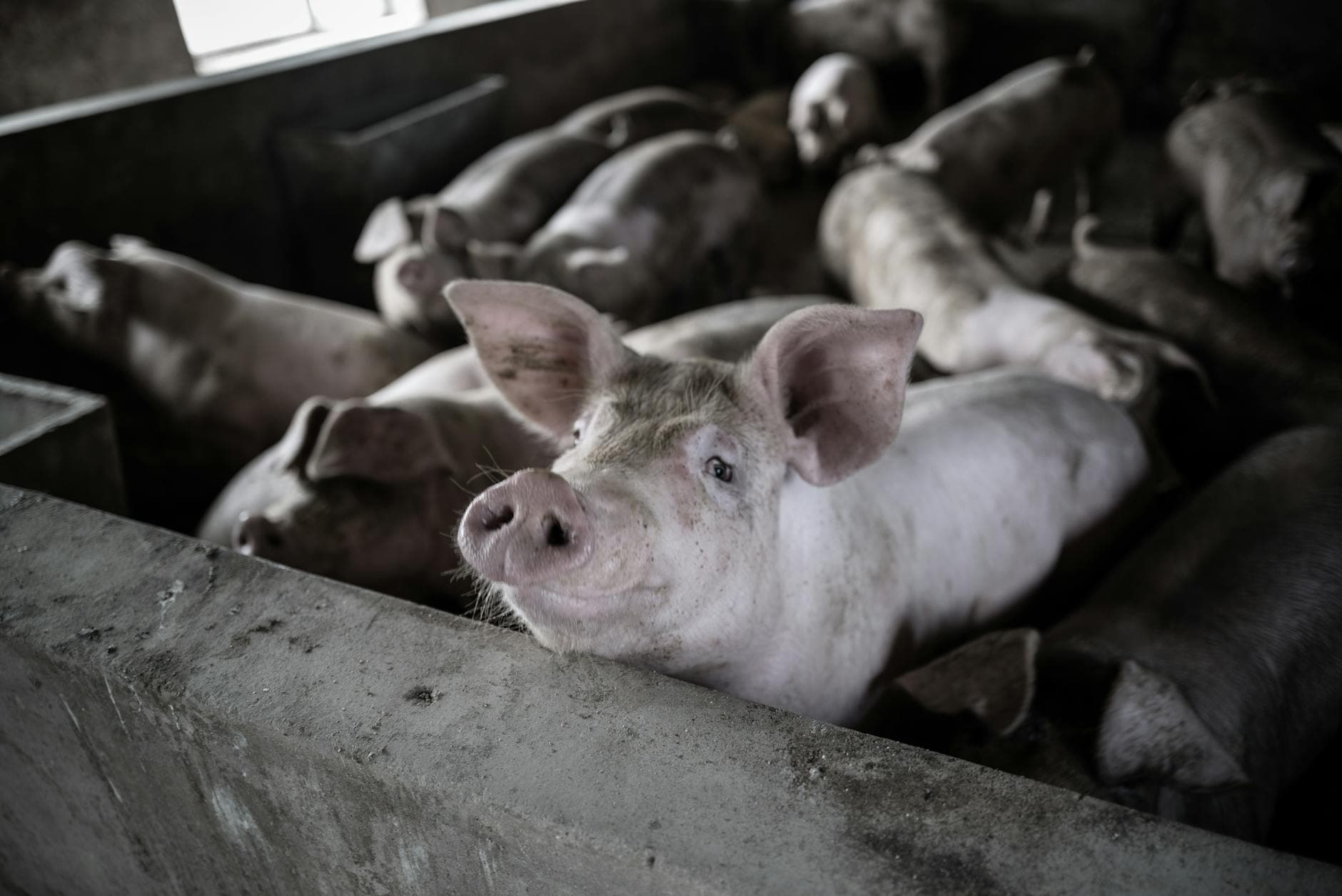
For Mexican importers and U.S. exporters, the immediate concern is not retail pork shelves but the genetics and byproduct trade that feeds breeding operations and processing chains. The Regional Livestock Union of Pork Producers of Sonora said the measure was proportional and consistent with international standards, while U.S. Meat Export Federation officials voiced confidence that the interruption would be short-lived if Mexico followed World Organisation for Animal Health guidelines. Even so, the episode underscored how quickly an animal-health alert in Iowa can ripple through cross-border agricultural trust, especially when the commercial pork relationship is as concentrated as the one between the United States and Mexico.
This article was produced by Prism’s automated news system from verified source data, official records, and press releases, then run through automated quality and moderation checks before publishing. The system is built and supervised by the people who set the standards it runs under. Read our full AI policy.
Did this article answer your question?

