Formula 1 turns grand prix weekends into startup networking hubs
Formula 1 is selling more than racing: its paddock has become a premium networking floor where founders, investors, and brands trade access for proximity.
The paddock is now a dealmaking venue
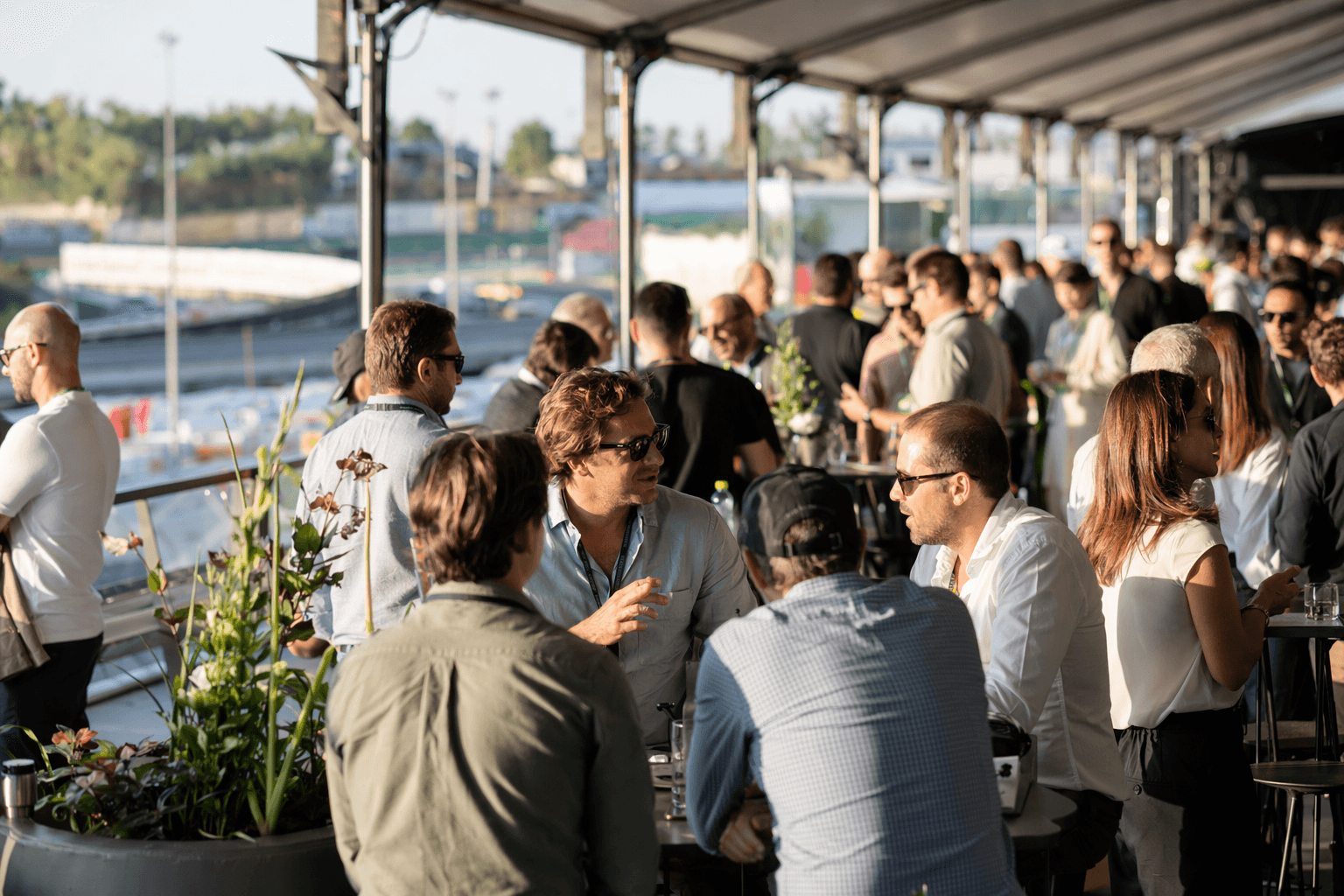
Formula 1 weekends are no longer just for watching lap times and tire strategy. They have become curated networking environments, where founders, investors, sponsors, and operators gather in the same hospitality spaces that once existed mainly to sell the sport to VIPs. The clearest symbol is the Paddock Club, which Formula 1 describes as an access point where guests can walk the pit lane and take guided track tours. That is not ordinary sports seating. It is controlled proximity, and in startup culture, proximity is often the product.
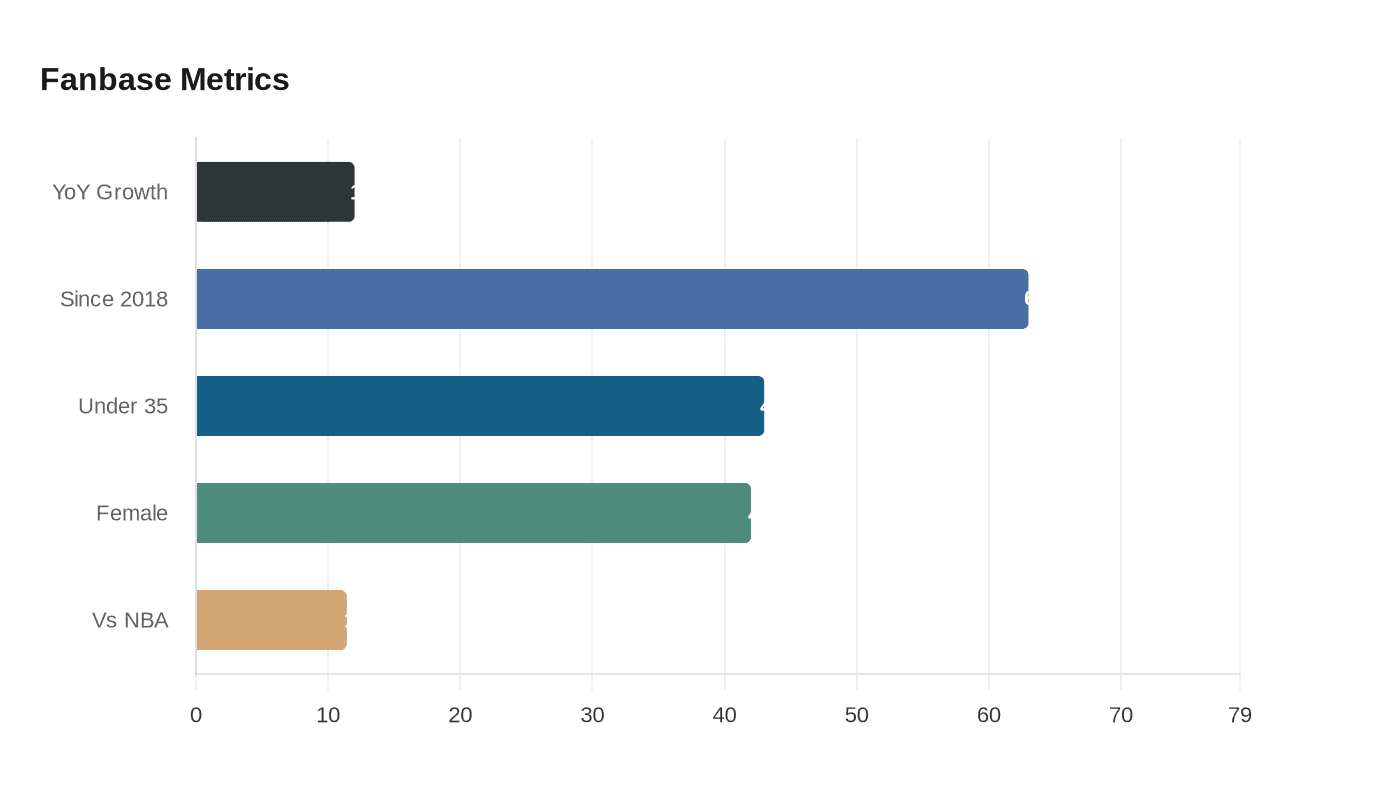
The appeal is easy to see. Formula 1 now says its global fanbase reached 827 million in 2025, up 12% year over year and 63% since 2018. It also says 43% of its total fanbase is under 35 and 42% is female. For brands and investors hunting affluent, younger audiences, those figures turn race weekends into a high-value audience filter. Formula 1 even says its fanbase is 11.4% larger than the NBA’s, a comparison that helps explain why the sport is increasingly positioned as a broader commercial platform rather than a niche motorsport property.
Why founders and investors are showing up
Startup culture has long sold itself on speed, disruption, and meritocracy. The paddock tells a more complicated story: access matters, and access is scarce. That is exactly why Formula 1 hospitality has become attractive to founders and investors looking for conversations that are hard to schedule elsewhere. The environment bundles a shared spectacle, a luxury setting, and a concentrated list of decision-makers, all of which lower the friction of networking and make introductions feel more natural than they do in a conference hall.
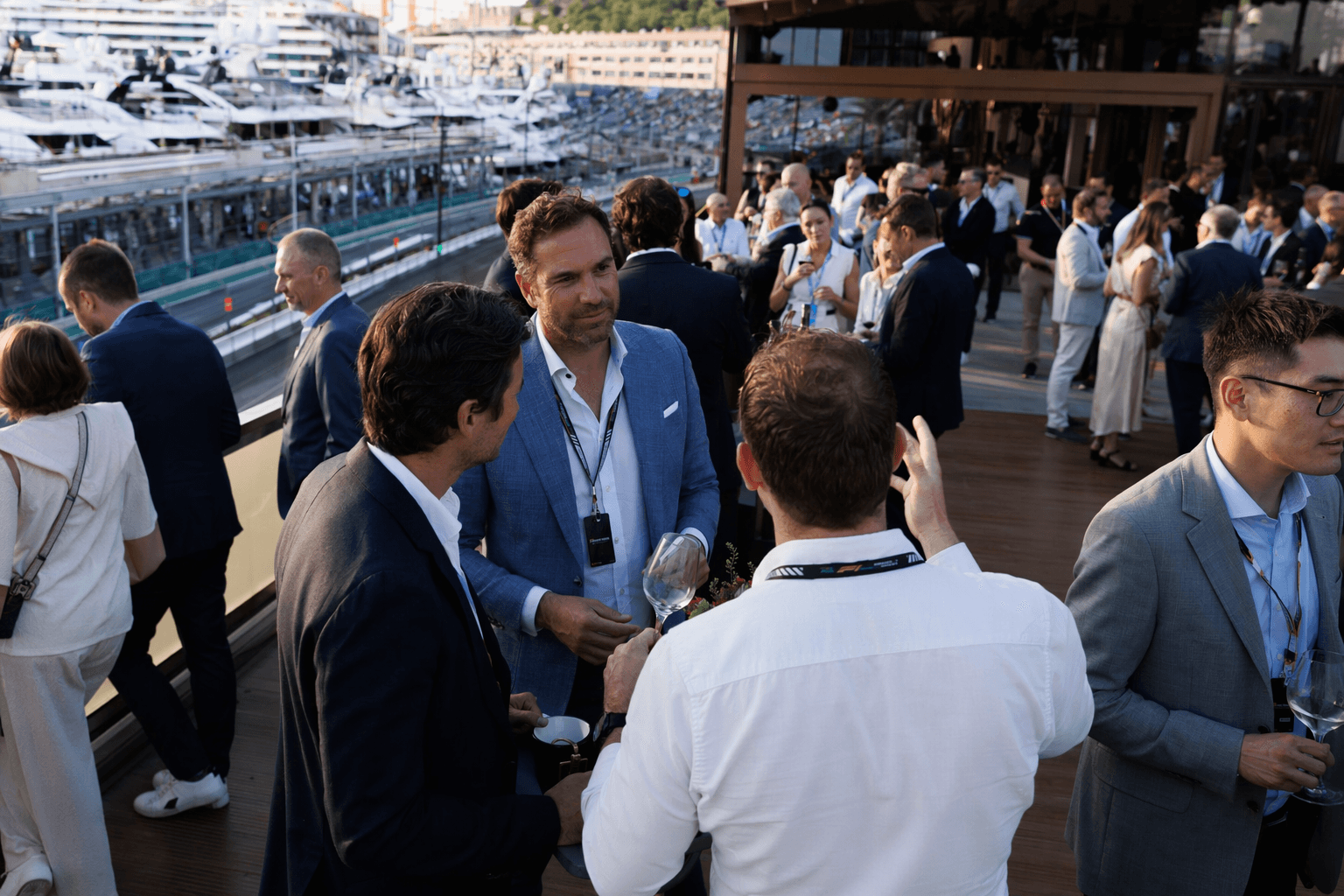
The sport has been leaning into that shift. Its hospitality offerings now include House 44, created with Lewis Hamilton and Soho House, a combination that blends celebrity, lifestyle branding, and members-club cachet. In Las Vegas, Formula 1 has also introduced the Trackside Tavern at the Paddock Club Rooftop, a social space with pit-lane and start/finish-line views. That mix of sport, status, and social engineering is exactly what makes the paddock useful as a dealmaking venue. It is not simply where people watch the race; it is where people can be seen by the right crowd.
Las Vegas is the clearest example
Las Vegas is the sharpest expression of Formula 1’s business ambitions. The sport announced its first-ever F1 Business Summit for Thursday, November 20, 2025, at Wynn Las Vegas, in partnership with Liberty Media and CAA. The program was built around networking and panel discussions from 12:30 p.m. to 4:15 p.m., followed by a reception at the Paddock Club Rooftop. That structure matters. It shows Formula 1 deliberately packaging race-weekend access into a business agenda, with the summit functioning as a formal bridge between motorsport and corporate networking.
The race itself was scheduled for Saturday, November 22, over 50 laps of the 6.201-kilometre Las Vegas Strip Circuit. Formula 1 also reminded fans that Las Vegas previously hosted two races in 1981 and 1982 under the Caesars Palace Grand Prix name. The return is significant because it places a modern, global entertainment economy on top of a venue that already has deep brand recognition. In practical terms, that gives sponsors and attendees a setting with both novelty and legacy, a valuable combination when the goal is to turn attendance into prestige.
What the new hospitality model sells
Formula 1’s hospitality model is no longer just about premium seating. It is about orchestrated access, and that access now comes in layers. At the Paddock Club, the promise is not only comfort but immersion: guests get an inside view from experts, can walk the pit lane, and take guided track tours. Those features help convert a sporting event into an experience economy product, one that can be marketed to companies as much as to fans.
That matters because elite networking increasingly depends on curated environments rather than broad public forums. The modern founder-investor circuit values spaces where conversations are private enough to feel exclusive but visible enough to signal status. Formula 1 hospitality does both. A reception at the Paddock Club Rooftop, a social space overlooking pit lane and the start/finish line, creates the kind of setting where business introductions can be folded into entertainment without ever feeling like a formal pitch meeting.
What the fanbase data reveals about the strategy
The demographic picture helps explain why this strategy is expanding. A fanbase that is 43% under 35 and 42% female is valuable to brands trying to reach consumers who are younger than the traditional motorsport stereotype and more diverse than the old image of the paddock suggests. Formula 1’s 827 million global fans give it the scale of a mainstream entertainment property, while the 12% year-over-year increase and 63% gain since 2018 show that the audience is still expanding quickly.
Those numbers matter because they support a broader business thesis: Formula 1 is not just selling races, it is selling association with a fast-growing cultural platform. For founders, that can mean an audience with money, international reach, and high household value. For investors, it can mean access to other investors, operators, and brand partners in a setting designed to compress weeks of outreach into a single weekend. The sport’s growth has turned race hospitality into a more sophisticated version of the conference circuit, with better scenery and a far stronger status signal.
The widening gap between disruption and access
The deeper story is not simply that Formula 1 has become popular. It is that a sport built around speed and innovation has become a case study in how elite networking is repackaged as startup culture. The language of disruption still surrounds both worlds, but the actual mechanisms are familiar: invitation-only rooms, premium packages, and carefully managed proximity to influence. In that sense, the paddock reflects a wider truth about modern business networks. They are not becoming more open; they are becoming more polished.
That is why F1 weekends now operate as hybrid events, part race, part summit, part private club. The business summit at Wynn Las Vegas, the Paddock Club rooftop reception, the House 44 collaboration with Lewis Hamilton and Soho House, and the Trackside Tavern all point in the same direction. Formula 1 is no longer just hosting spectators. It is staging an ecosystem where money, status, and access reinforce one another, and where the real competition often begins long before the lights go out on the grid.
This article was produced by Prism’s automated news system from verified source data, official records, and press releases, then run through automated quality and moderation checks before publishing. The system is built and supervised by the people who set the standards it runs under. Read our full AI policy.
Know something we missed? Have a correction or additional information?
Submit a Tip